Loading...
Done
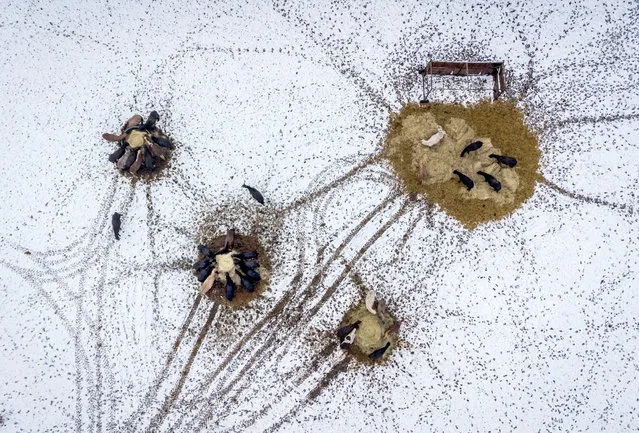
Horses eat hay and rest on straw at a stud farm in Wehrheim near Frankfurt, Germany, Tuesday, December 5, 2023. (Photo by Michael Probst/AP Photo)

Horses eat hay and rest on straw at a stud farm in Wehrheim near Frankfurt, Germany, Tuesday, December 5, 2023. (Photo by Michael Probst/AP Photo)
Details
08 Jan 2024 19:43:00
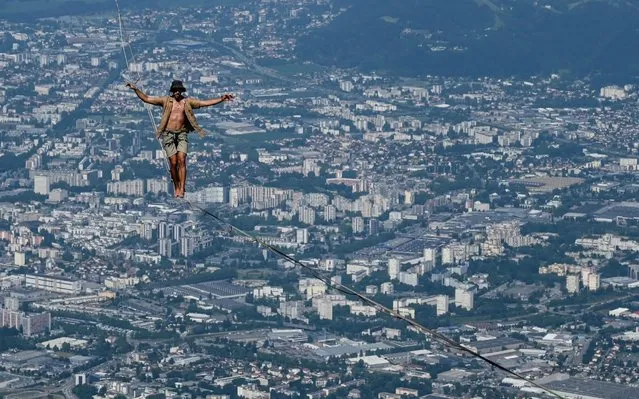
A man walks on a slackline during the 7th edition of the European “Marmotte Highline Project” (MHP) festival in Lans-en-Vercors, near Grenoble, eastern France, on July 4, 2019. The event, during which the participants will be able to evolve on the various highlines located in the Regional Natural Park of Vercors, takes place until July 7, 2019. (Photo by Philippe Desmazes/AFP Photo)

A man walks on a slackline during the 7th edition of the European “Marmotte Highline Project” (MHP) festival in Lans-en-Vercors, near Grenoble, eastern France, on July 4, 2019. The event, during which the participants will be able to evolve on the various highlines located in the Regional Natural Park of Vercors, takes place until July 7, 2019. (Photo by Philippe Desmazes/AFP Photo)
Details
06 Jul 2019 00:07:00
In this Wednesday, November 15, 2012 file photo, a young girl in her colorful dress reaches out to greet a Pakistani policeman securing the road outside Kainat Riaz's home in Mingora, Swat Valley, Pakistan. (Photo by Anja Niedringhaus/AP Photo)

In this Wednesday, November 15, 2012 file photo, a young girl in her colorful dress reaches out to greet a Pakistani policeman securing the road outside Kainat Riaz's home in Mingora, Swat Valley, Pakistan. (Photo by Anja Niedringhaus/AP Photo)
Details
14 Oct 2014 11:03:00
A protestor makes a selfie in front of a burning car during a national trade union demonstration in Brussels, Thursday November 6, 2014. Tens of thousands of demonstrators are converging on the Belgian capital to protest government policies that will extend the pension age, contain wages and cut into public services. (Photo by Geert Vanden Wijngaert/AP Photo)

A protestor makes a selfie in front of a burning car during a national trade union demonstration in Brussels, Thursday November 6, 2014. Tens of thousands of demonstrators are converging on the Belgian capital to protest government policies that will extend the pension age, contain wages and cut into public services. (Photo by Geert Vanden Wijngaert/AP Photo)
Details
10 Nov 2014 14:24:00
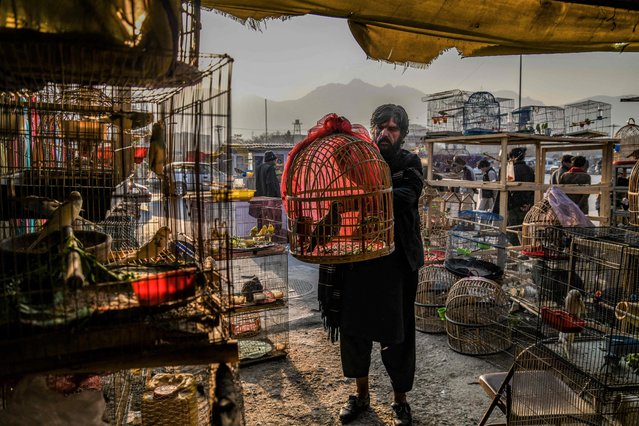
An Afghan vendor selling birds to be kept as pets wait for customers in his shop in Kabul on December 11, 2021. (Photo by Ahmad Sahel Arman/AFP Photo)

An Afghan vendor selling birds to be kept as pets wait for customers in his shop in Kabul on December 11, 2021. (Photo by Ahmad Sahel Arman/AFP Photo)
Details
01 Apr 2022 06:07:00
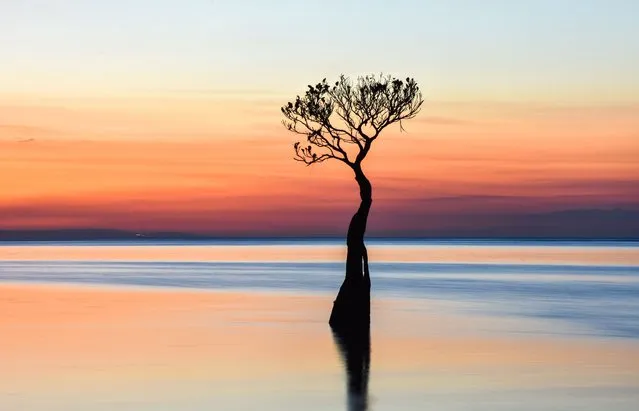
Mangrove in Walakiri Beach after Sunset in East Sumba, Indonesia in 2018. (Photo by Sarubabel Malau/Rex Features/Shutterstock)

Mangrove in Walakiri Beach after Sunset in East Sumba, Indonesia in 2018. (Photo by Sarubabel Malau/Rex Features/Shutterstock)
Details
04 Apr 2022 05:47:00
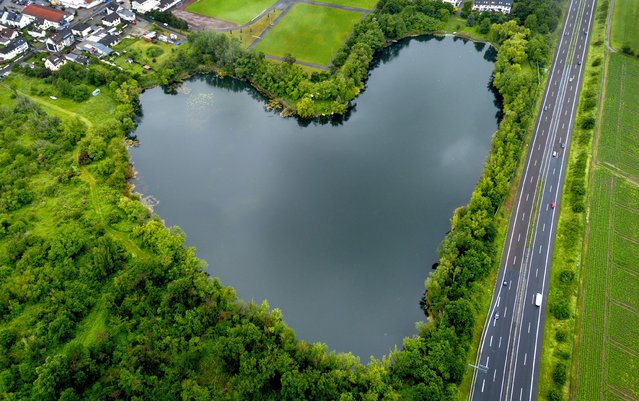
An areal view of the lake in the form of a heart in Rodgau, near Frankfurt, Germany, Friday, May 24, 2024. (Photo by Michael Probst/AP Photo)

An areal view of the lake in the form of a heart in Rodgau, near Frankfurt, Germany, Friday, May 24, 2024. (Photo by Michael Probst/AP Photo)
Details
02 Jul 2024 00:16:00
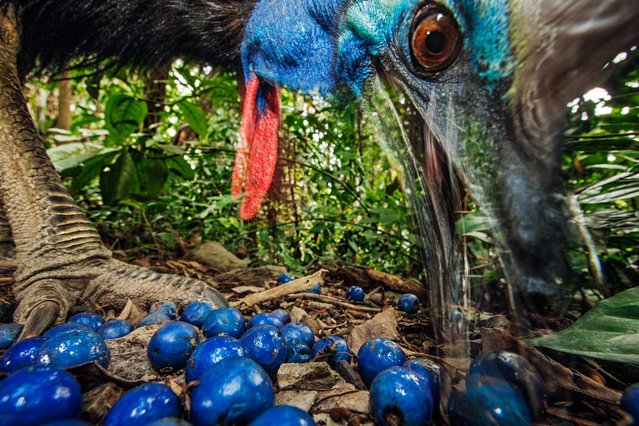
“Cassowaries are large, flightless birds related to emus and (more distantly) to ostriches, rheas, and kiwis”, writes Olivia Judson in the September issue of National Geographic magazine. (Photo by Christian Ziegler/National Geographic)

“Cassowaries are large, flightless birds related to emus and (more distantly) to ostriches, rheas, and kiwis”, writes Olivia Judson in the September issue of National Geographic magazine. How large? People-size: Adult males stand well over five foot five and top 110 pounds. Females are even taller, and can weigh more than 160 pounds. Dangerous when roused, they’re shy and peaceable when left alone. But even birds this big and tough are prey to habitat loss. The dense New Guinea and Australia rain forests where they live have dwindled. Today cassowaries might number 1,500 to 2,000. And because they help shape those same forests – by moving seeds from one place to another – “if they vanish”, Judson writes, “the structure of the forest would gradually change” too. (Photo by Christian Ziegler/National Geographic)
Details
06 Jan 2014 12:21:00