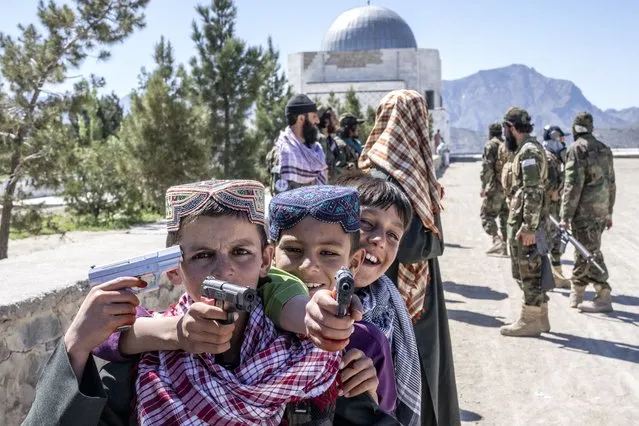
Afghan children enjoy their time on Nadir Khan hill during the first day of Eid al-Fitr in Kabul, Afghanistan, Friday, April 21, 2023. (Photo by Ebrahim Noroozi/AP Photo)
A Pakistani Hindu bride attends a mass marriage ceremony in Karachi, Pakistan, 07 January 2024. The Pakistan Hindu Council organized the mass wedding ceremony for 122 Hindu couples belonging to poorer classes. (Photo by Shahzaib Akber/EPA/EFE)
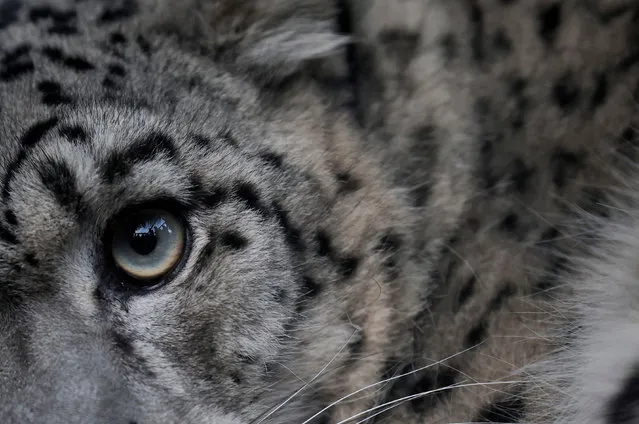
A snow leopard looks on from an inside of a cage, after being captured from the southern plains of Nepal and brought to the central zoo, which wildlife experts say is rare for the animal that is found in the higher altitude, in Kathmandu, Nepal on January 26, 2024. (Photo by Navesh Chitrakar/Reuters)
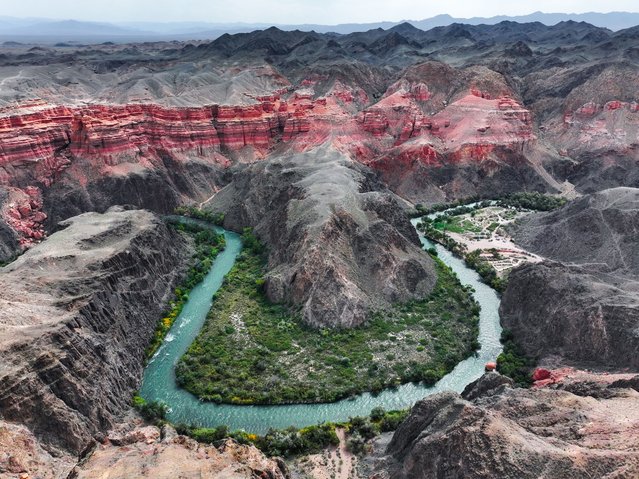
An aerial view of Charyn Canyon located about 200 kilometers east of Almaty city in Kazakhstan on September 22, 2024. The canyon, visited by more than 50,000 people each year, was placed under protection in 1964 and became part of the Charyn National Park, established on February 23, 2004. (Photo by Muhammed Enes Yildirim/Anadolu via Getty Images)
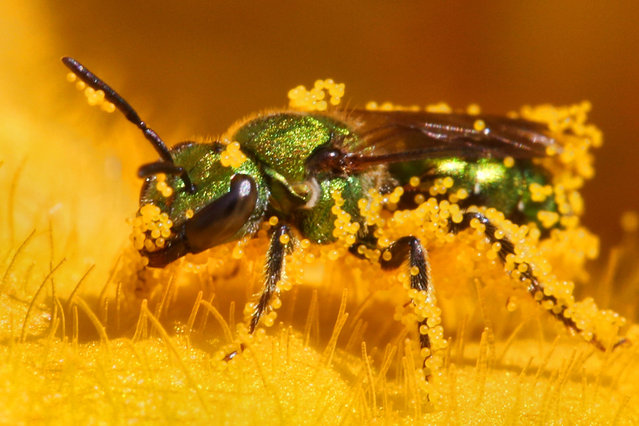
A Pure Green Sweat Bee (Augochlora pura) covers itself in pollen while pollinating the flower of a squash plant in Toronto, Ontario, Canada, on August 23, 2024. (Photo by Creative Touch Imaging Ltd/NurPhoto/Rex Features/Shutterstock)
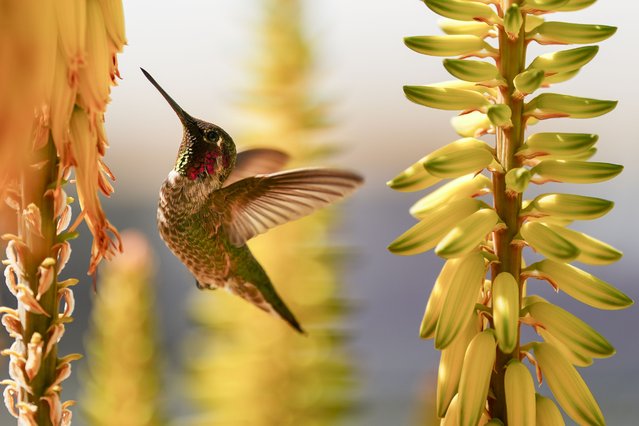
A hummingbird drinks from a flower in a garden on the outfield lawn before a spring training baseball game between the Kansas City Royals and the Athletics, Monday, February 24, 2025, in Surprise, Ariz. (Photo by Lindsey Wasson/AP Photo)
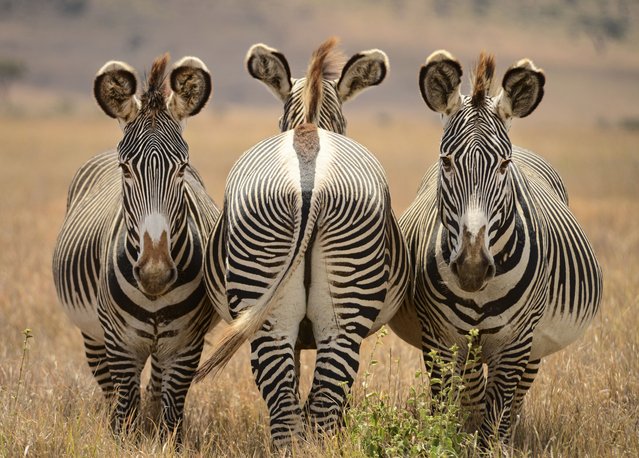
It doesn’t make for the most flattering photoshoot, but there is a reason these zebras at Lewa wildlife conservancy in Kenya in the second decade of August 2025 are stood head to tail: they use their tails to swat flies from each others’ faces. (Photo by Andrew Campbell/Solent News & Photo Agency)
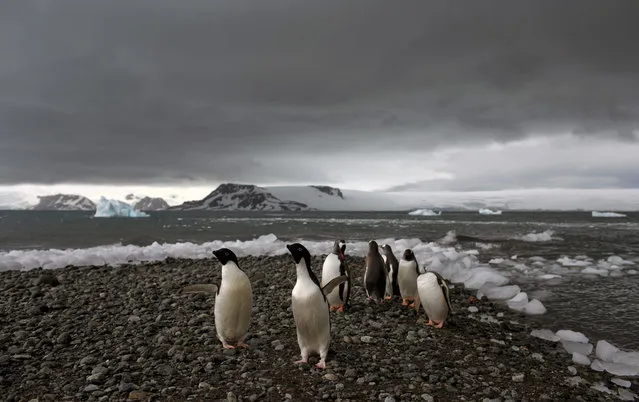
In this January 27, 2015 photo, penguins walk on the shore of Bahia Almirantazgo in Antarctica. Antarctica “is big and it's changing and it affects the rest of the planet and we can't afford to ignore what's going on down there”, said David Vaughan, science director of the British Antarctic Survey. (Photo by Natacha Pisarenko/AP Photo)