A man bathes at a roadside in a market area after authorities in the capital ordered a weekend curfew, following the rise in the coronavirus disease (COVID-19) cases, in the old quarters of Delhi, India, January 8, 2022. (Photo by Adnan Abidi/Reuters)
A human rainbow is created at a BASEOrlando coordinated event, “Orlando Strong Body Paint”, on Friday, June 17, 2016 in Orlando, Fl. The group created the rainbow, composed of volunteers numbering the same as that of the victims of the Pulse shooting, as a visual reminder of the amount of lives lost. (Photos by Amanda Voisard/The Washington Post)
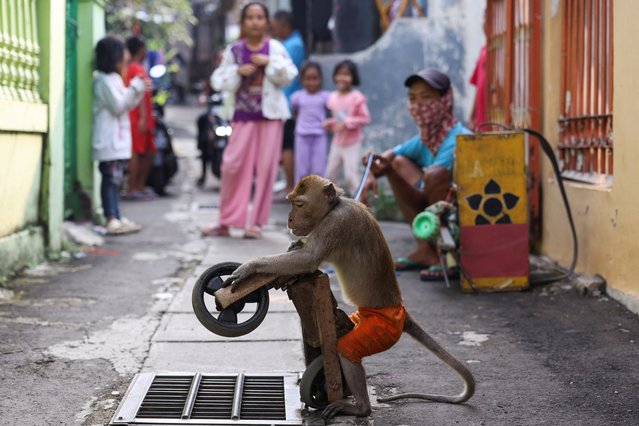
A trained monkey rides a toy cycle during a Topeng Monyet (Monkey Mask) show at a densely populated area in Depok on the outskirts of Jakarta, Indonesia, on May 18, 2024. (Photo by Ajeng Dinar Ulfiana/Reuters)
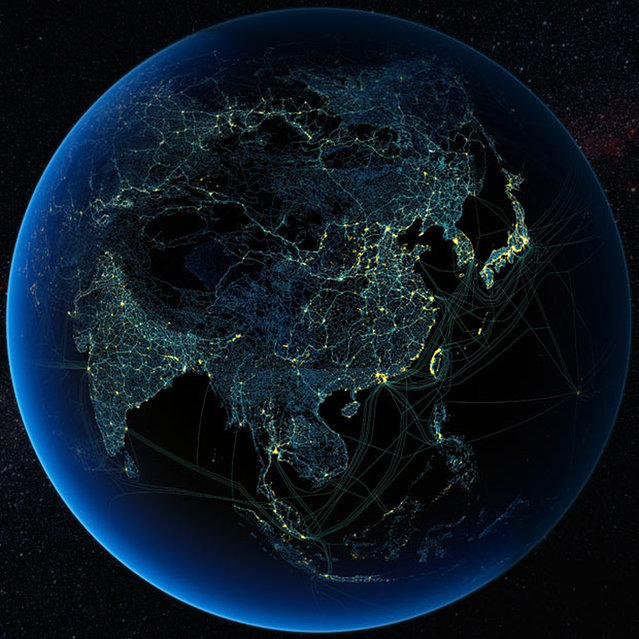
Defined according to wikipedia it is “a recent and informal geologic chronological term that serves to mark the evidence and extent of human activities that have had a significant global impact on the Earth’s ecosystems. The term was coined by ecologist Eugene Stoermer but has been widely popularized by the Nobel Prize-winning atmospheric chemist Paul Crutzen.”
The images here where created by Felix Pharand-Deschenes depicting how various human influences, from road and rail, to internet cables and airlines create significant patterns covering the Earth. What can we learn from these patterns in how they are influencing the environment
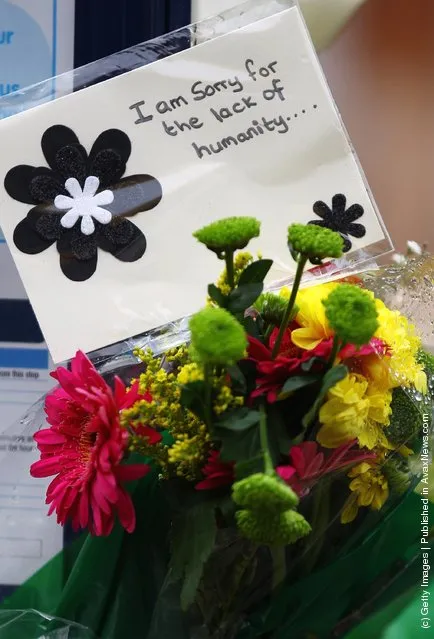
Flowers are left at the scene of a hit and run following civil disturbances in the Winson Green area on August 11, 2011 in Birmingham, England. Police are continuing investigations after three people – reportedly trying to protect shops from rioting and looting in Dudley Road – were struck by a car. Police have so far arrested over 1,000 people following rioting which erupted over a four-day period across the UK. (Photo by Jeff J Mitchell/Getty Images)
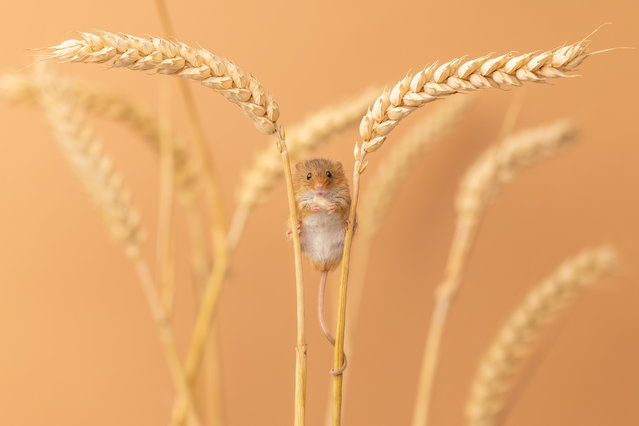
Stunning image capture the moment a tiny harvest mouse uses wheat stems as stilts as he munches on a kernel in UK in August 2025. The minute-mouse, who weighs as much as a 2p coin and is only two-inches-long, uses his prehensile tail to keep himself perfectly level. (Photo by Tony Nellis/South West News Service)
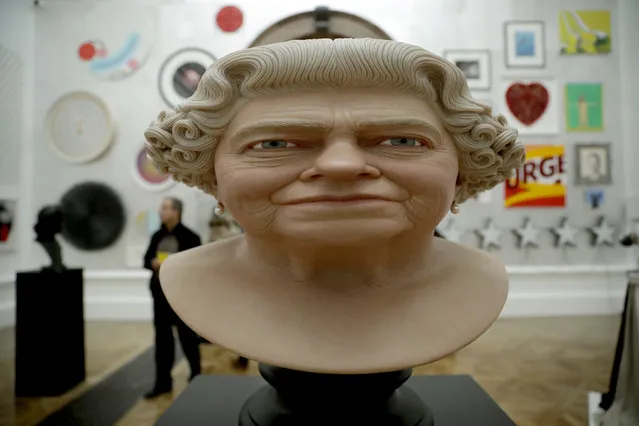
“The Queen” painted fibreglass by artist John Humphreys is displayed backdropped by other works which feature in this year's Summer Exhibition on it's 250th year at the Royal Academy of Arts in London, Tuesday, June 5, 2018. The Summer Exhibition has been held since 1769, with around 1300 works on display this year and most of them available for purchase. It runs from June 12 until August 19. (Photo by Matt Dunham/AP Photo)