Loading...
Done
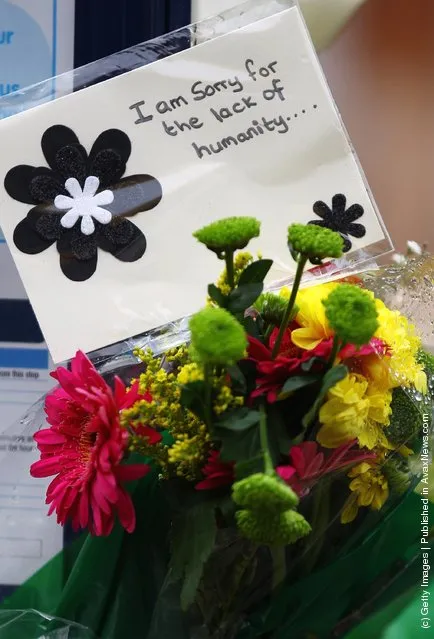
Respects Are Paid To Three Killed In Hit And Run During Birmingham Riot

Flowers are left at the scene of a hit and run following civil disturbances in the Winson Green area on August 11, 2011 in Birmingham, England. Police are continuing investigations after three people – reportedly trying to protect shops from rioting and looting in Dudley Road – were struck by a car. Police have so far arrested over 1,000 people following rioting which erupted over a four-day period across the UK. (Photo by Jeff J Mitchell/Getty Images)
Details
11 Aug 2011 14:14:00
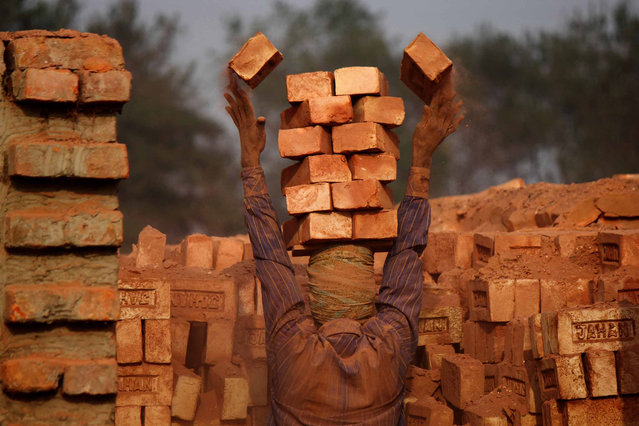
CGAP Photo Contest – South Asia Regional Winner: Bricks Worker, Bangladesh. A private enterprise worker is working at a brick field. These small businesses are creating new job opportunities for many poor people. (Photo by Moksumul Haque)

The shoemaker in Turkey, the potato seller in Vietnam, and the weaver in Bolivia are among the billions of low-income entrepreneurs who make the world go round. They are also the type of people who can benefit significantly from microfinance. Every year, the Consultative Group To Assist The Poor (or CGAP) hosts a photo contest asking entrants to submit photos based around the idea of microfinance.The purpose of the contest is to give amateur and professional photographers a chance to show the different ways that poor households manage their financial lives and make their lives better through financial inclusion. Photo: South Asia Regional Winner – “Bricks Worker”, Bangladesh. A private enterprise worker is working at a brick field. These small businesses are creating new job opportunities for many poor people. (Photo by Moksumul Haque)
Details
14 Aug 2014 10:58:00
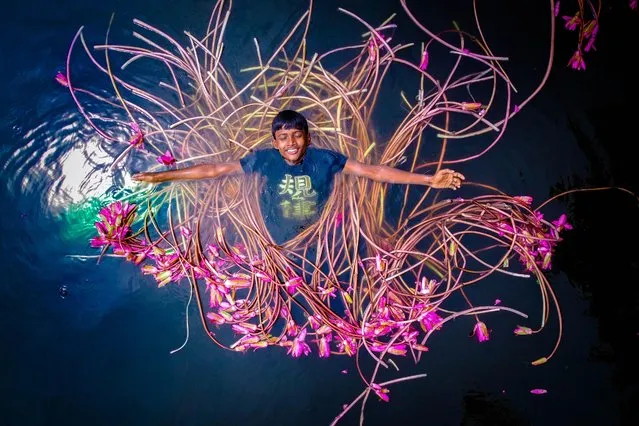
A village boy from Satla Village, Barishal swimmimg with water lilies in a canal near Barishal, Bangladesh on August 17, 2021. (Photo by Mustasinur Rahman Alvi/Eyepix Group/Pacific Press/Rex Features/Shutterstock)

A village boy from Satla Village, Barishal swimmimg with water lilies in a canal near Barishal, Bangladesh on August 17, 2021. Every bright pink blooms is hand-picked and collected carefully by farmers to distribute in the local markets during a annual period. The flowers bloom during of the seasonal flood starting from August to November. (Photo by Mustasinur Rahman Alvi/Eyepix Group/Pacific Press/Rex Features/Shutterstock)
Details
17 Sep 2021 08:57:00
A follower of the Afro-Brazilian religion Umbanda pays tribute for Iemanja, goddess of the sea, in Copacabana Beach in Rio de Janeiro, Brazil December 29, 2017. (Photo by Ricardo Moraes/Reuters)

A follower of the Afro-Brazilian religion Umbanda pays tribute for Iemanja, goddess of the sea, in Copacabana Beach in Rio de Janeiro, Brazil December 29, 2017. Hundreds of practitioners of Brazil's Afro-Brazilian Candomble and Umbanda faiths have gathered at Rio de Janeiro's Copacabana beach to honor Yemanja. Worshippers were mostly dressed in white as they launched their offerings to Iemanja: small boats with flowers and bowls with candles and fruits. (Photo by Ricardo Moraes/Reuters)
Details
30 Dec 2017 06:22:00
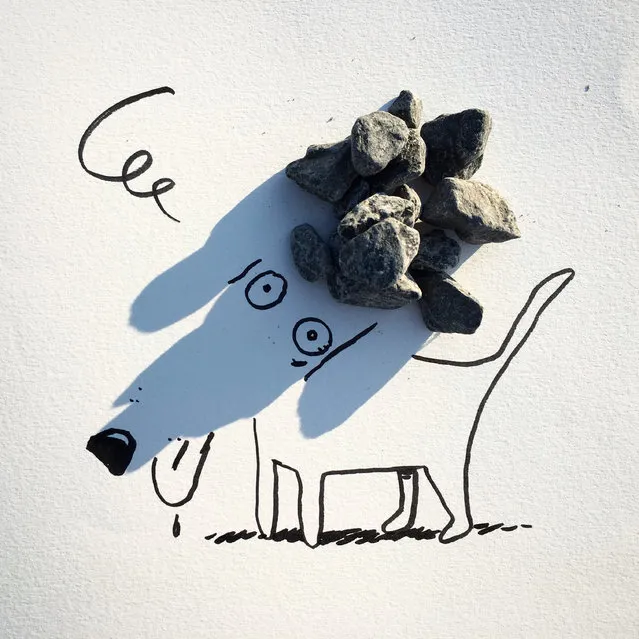
“Stonedog”. (Photo by Vincent Bal/The Guardian)

Earlier this year, Belgian film-maker and artist Vincent Bal stumbled upon an uncanny resemblance to an elephant in the shadow of his tea cup. This gave him the idea for Shadowology, a series of doodles that interact with the shadows of simple, everyday objects: a banknote, some ice cubes and a flower, for example, can turn into a church, a woman and a hippy. “I draw a few lines and I get my image. It’s really the shadows that inspire me”, Bal says. Here: “Stonedog”. (Photo by Vincent Bal/The Guardian)
Details
02 Oct 2016 08:28:00
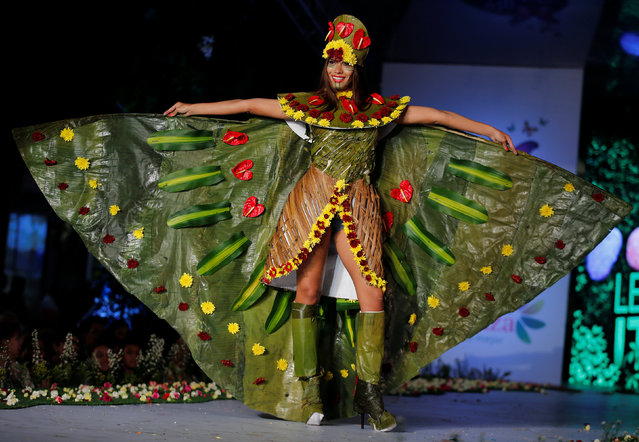
A model presents a creation during the Biofashion show, which features designs made from plants, recycled and natural materials, in Cali, Colombia, November 19, 2016. (Photo by Jaime Saldarriaga/Reuters)

A model presents a creation during the Biofashion show, which features designs made from plants, recycled and natural materials, in Cali, Colombia, November 19, 2016. BioFashion is an environmental initiative that seeks to create awareness about the preservation and management of natural resources where new designers develop dresses made with living plants, flowers and organic elements. (Photo by Jaime Saldarriaga/Reuters)
Details
21 Nov 2016 10:37:00
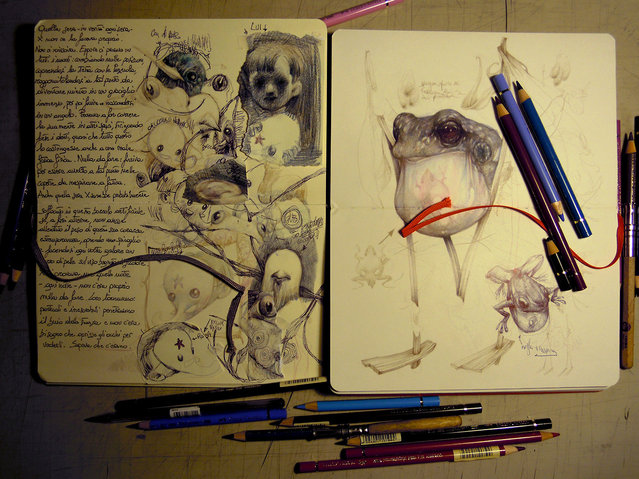
Pencil Artist Marco Mazzoni

Italian pencil artist Marco Mazzoni‘s work goes far beyond technical perfection. His representation of historical healing women is enigmatic and sublime. Often leaving the eyes blank or covered with an abundance of birds, butterflies and flowers, he gives the impression of a deeper inward focused sight, as well as obscuring the identity of the individual. Many female healers in the past – both medicine woman and midwives – were brutally persecuted by religion, some even burnt as witches… Mazzoni’s work captures their deep connection with nature and their innate power and femininity with delicacy and beautiful detail.
Details
24 Mar 2015 09:33:00
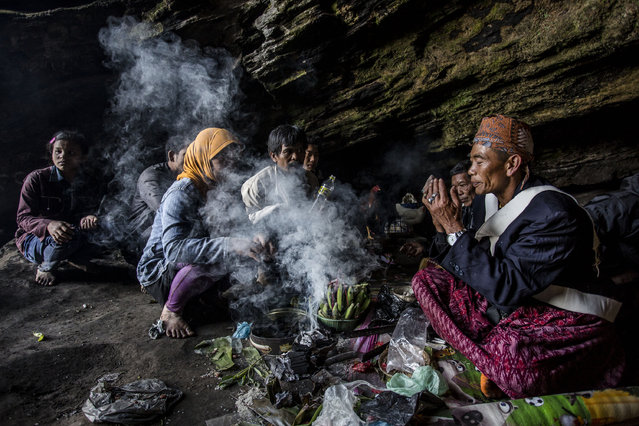
A Tenggerese shaman praying for worshippers at Widodaren cave during the Tenggerese Hindu Yadnya Kasada festival on July 31, 2015 in Probolinggo, East Java, Indonesia. The festival is the main festival of the Tenggerese people and lasts about a month. On the fourteenth day, the Tenggerese make the journey to Mount Bromo to make offerings of rice, fruits, vegetables, flowers and livestock to the mountain gods by throwing them into the volcano's caldera. (Photo by Ulet Ifansasti/Getty Images)

A Tenggerese shaman praying for worshippers at Widodaren cave during the Tenggerese Hindu Yadnya Kasada festival on July 31, 2015 in Probolinggo, East Java, Indonesia. The festival is the main festival of the Tenggerese people and lasts about a month. On the fourteenth day, the Tenggerese make the journey to Mount Bromo to make offerings of rice, fruits, vegetables, flowers and livestock to the mountain gods by throwing them into the volcano's caldera. The origin of the festival lies in the 15th century when a princess named Roro Anteng started the principality of Tengger with her husband Joko Seger, and the childless couple asked the mountain Gods for help in bearing children. The legend says the Gods granted them 24 children but on the provision that the 25th must be tossed into the volcano in sacrifice. The 25th child, Kesuma, was finally sacrificed in this way after initial refusal, and the tradition of throwing sacrifices into the caldera to appease the mountain Gods continues today. (Photo by Ulet Ifansasti/Getty Images)

Details
01 Aug 2015 12:07:00