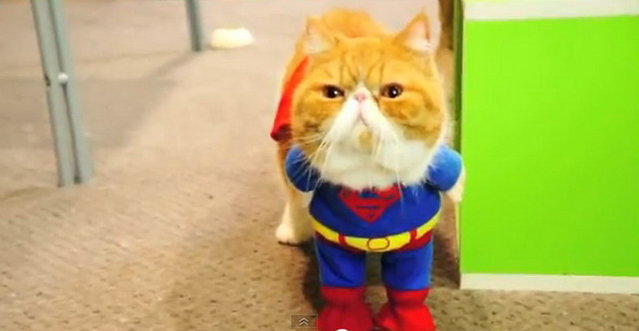
When the city is in need, these superhero cats will do everything they can to help (i.e. look on indifferently then passive-aggressively poop on the bed).
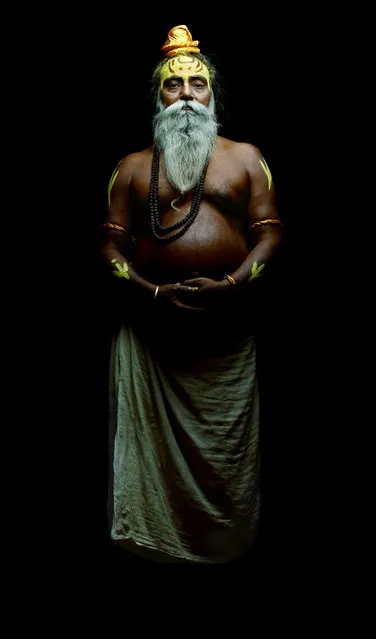
“They’ve been obsessing me for years. I searched and found them in Benares, on the banks of the river Gange (India). They arrive here to get rid of everything and to wait for death. This existence can last for years, sometimes decades, almost a life. Opposite to mine, well organised and filled as a human life can be, to try in vain to push the limits of its end”. – Denis Rouvre. (Photo by Denis Rouvre)
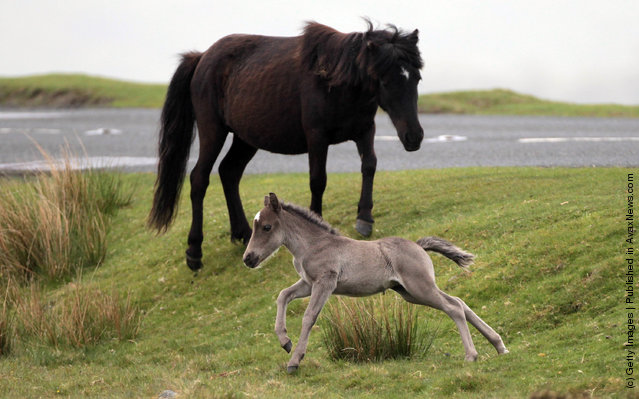
A Dartmoor Hill pony foal runs on the moor on Dartmoor on May 17, 2011 in Princetown England. Although a tourist attraction, especially during the foaling season and often seen as part of the landscape of Dartmoor, many ponies face an uncertain future due to unsustainable breeding and their falling market values. The charity South West Equine Protection estimates that last year 1500 ponies were slaughtered – with many being sold for lion meat to nearby zoos. Along with other equine charities, they are calling for the removal of stallions from the moor to bring numbers down to sustainable levels. (Photo by Matt Cardy/Getty Images)
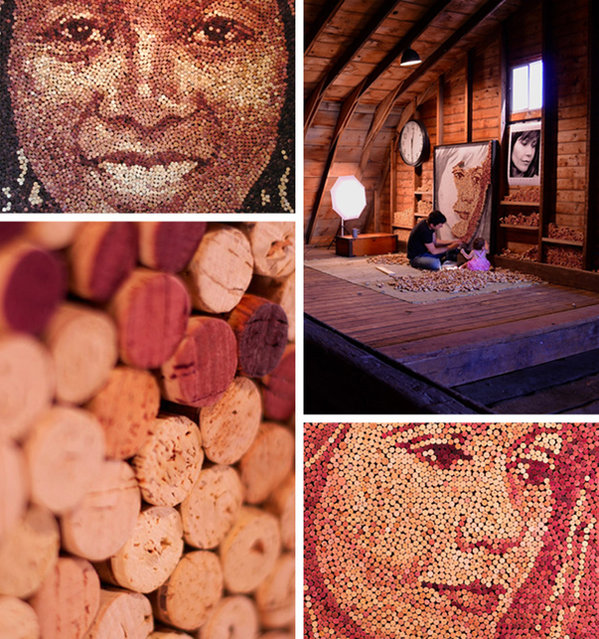
Grand Rapids (Michigan) based illustrator and artist Scott Gundersen creates his portraits from thousands of used and recycled corks. Starting with a large photograph that’s transferred to a drawing, Gundersen pins each cork to the canvas, creating a correlation between the hues of the wine-stained corks and the value of light or shadow in the portrait. Scott Gundersen has made these incredible portraits, one using 3,621, 3,842 and the other using 9,217 natural wine corks.
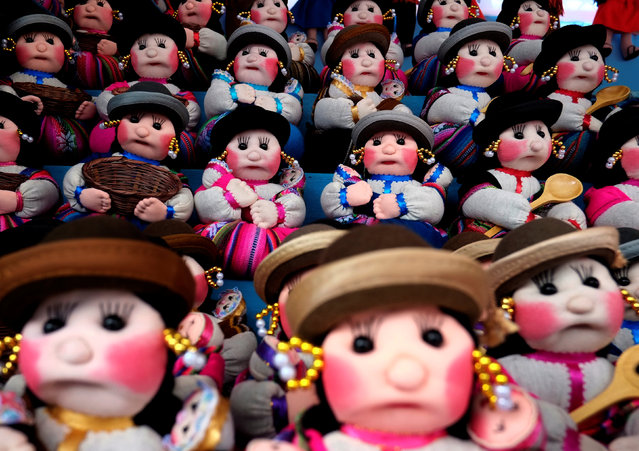
Aymara dolls are seen during the “Alasitas” fair, where people buy miniature versions of goods they hope to acquire in real life, in La Paz, Bolivia, January 24, 2017. Shoppers fill their baskets with miniature versions of things they desire – everything from cars, houses computers – to give to Ekeko the God of abundance, in the hope he will being therm good fortune. (Photo by David Mercado/Reuters)
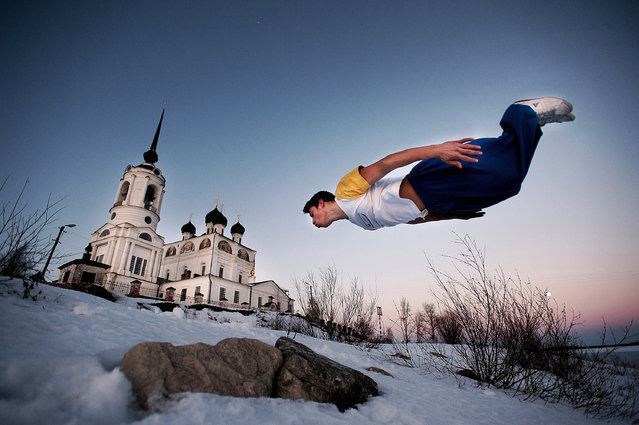
Anton Unitsyn, Russia. Shortlist, Professional , Daily Life. Parkour jumpers on their daily training. On the background – one of the main Solvychegodsk sights – Blagoveshchensky Cathedral. This church is among 3 churches, that survived soviet times. At the begining of 20th century there were 13 churches in Solvichegodsk. After breakdown of the communism, Solvichegodsk as many small towns in russia is stuck in it's past. Despite everything, people in Solvichegodsk still belive in their positive future, and wait for wind of change. (Photo by Anton Unitsyn/Sony World Photography Awards)
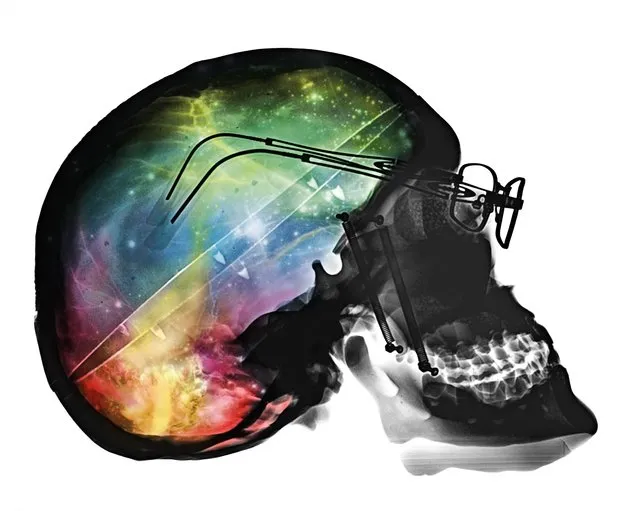
These stunning coloured images show detailed x-ray images of everything from skulls to light bulbs. Artist Paula Fontaine, from Westminster Massachusetts, created the images using a process called digital map painting. To create the images the x-ray emission source – the head of the machine on an arm which focuses the beam – is placed over the object. Paula then retreats behind a shielded screen before activating the x-ray exposure. Here: Brain storm, conceptual composite X-ray. (Photo by Paula Fontaine/Barcroft Media)
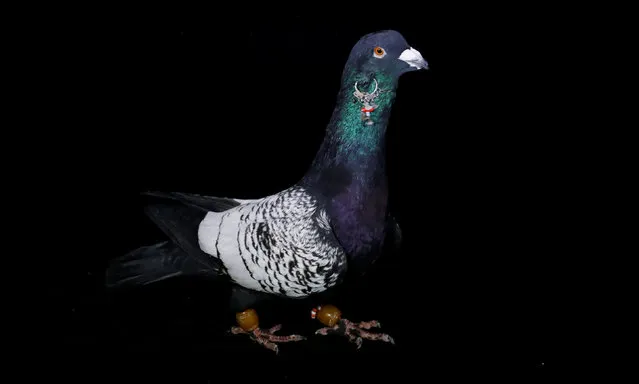
A pigeon, known as Siyah Kinifirli, with an approximate market value of 1000 Turkish Lira ($263), bred by 23-year-old Ismail Ozbek, is pictured in Sanliurfa, Turkey, December 23, 2016. As night-time approaches in Sanliurfa, southeastern Turkey, most of the alleyways of the city's old bazaar are emptying out of buyers and vendors, except for one. (Photo by Umit Bektas/Reuters)