Loading...
Done
Animals Dressed By Miguel Vallinas

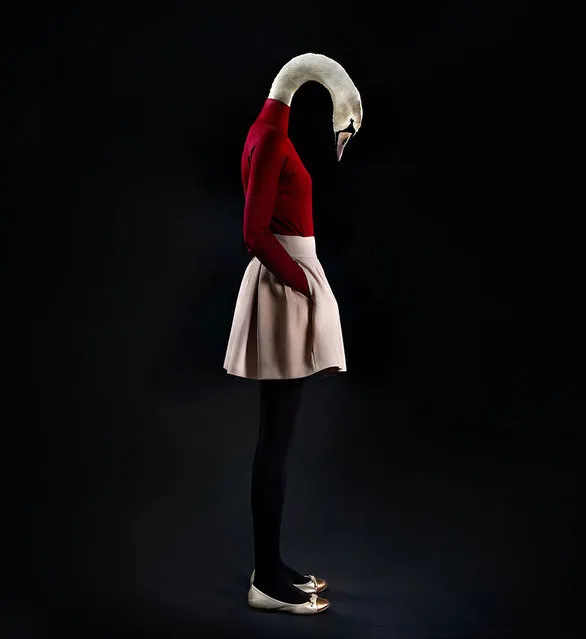
A Spanish photographer has created a collection of pictures featuring animals dressed in human clothing. Miguel Vallinas who is based in Madrid, has called the project Segundas Pieles which means Second Skins. But rather than just creating a collection of funny pictures, Vallinas tries to imagine which clothes the animals would choose for themselves if they could.
Details
16 Oct 2013 10:28:00
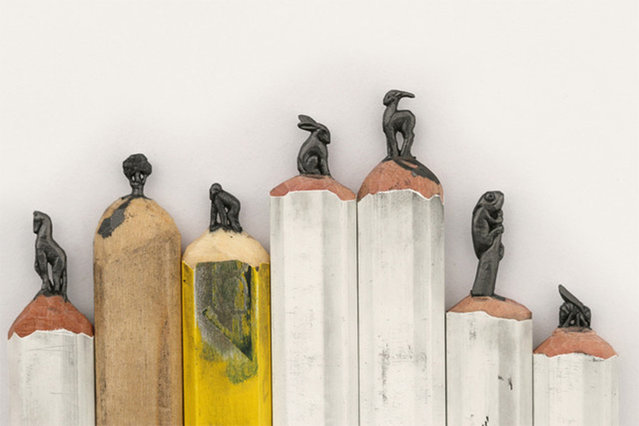
Pencil Carvings By Diem Chau

Seattle-based artist Diem Chau creates amazing miniature carvings from the graphite of pencils. Chau combines common mediums and common means to create delicate vignettes of fleeting memory, resulting in works that combine egalitarian sensibility and minimalist restraint.
Details
13 Apr 2013 09:42:00
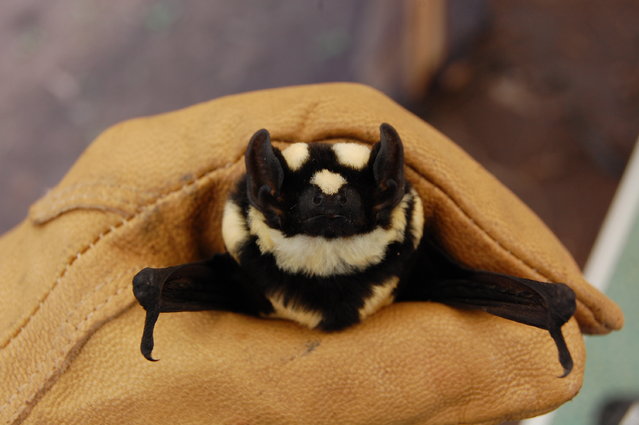
New Genus Of Bat Niumbaha superba

A new genus of bat has been discovered in South Sudan, the world’s newest country. The strikingly striped bat has been placed into the genus Niumbaha, which means “rare” or “unusual” in the Zande language of the region.
Details
17 Apr 2013 12:51:00
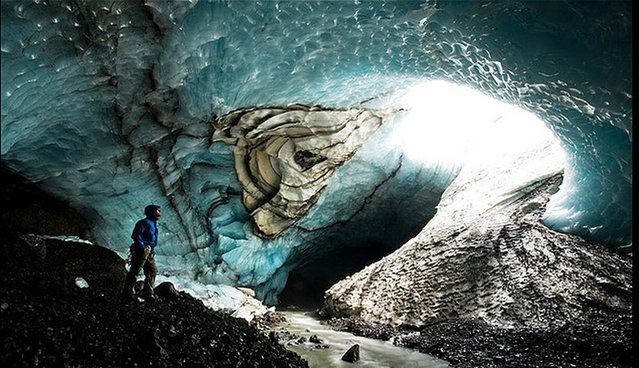
Icelandic Glacier Vatnajokull

Vatnajökull (meaning Glacier of Rivers), also known as the Vatna Glacier, is the largest and most voluminous Icelandic glacier, and one of the largest in area in Europe. It is located in the south-east of the island, covering more than 8 percent of the country.
Details
24 Sep 2013 14:44:00


The Last Bell (we mean the bell that informs the pupils about the beginning or the ending of the lessons) is the traditional feast of the Russian pupils who leave the school. The Last School Bell feast occurs in the end of May, when the school year has already finished, but the final examinations have not begun yet. (Read more...)
Details
02 Jun 2011 13:39:00
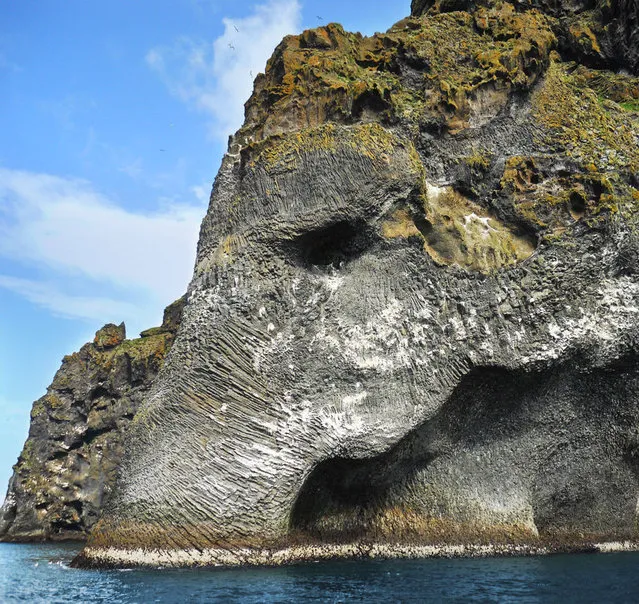
Elephant Rock, Heimaey, Iceland

The Elephant Rock is a natural rock formation found on the island of Heimaey (meaning Home Island) in Iceland’s Vestmannaeyjar archipelago (say that 10 times fast).
Details
04 Aug 2014 10:54:00
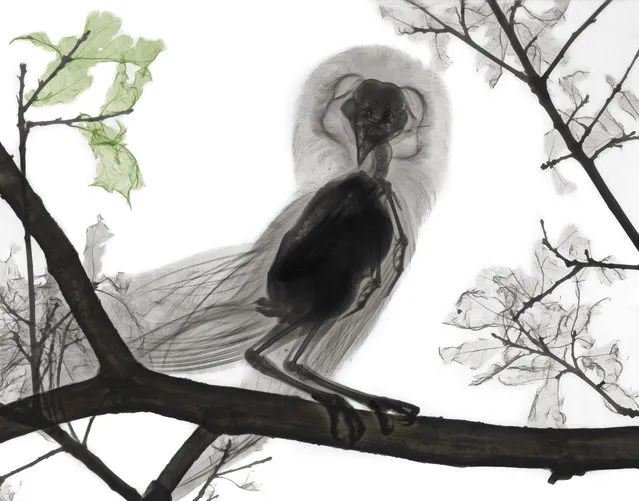
Coloured X-ray of a barn owl. A physicist has used X-ray to create an extraordinary collection of artwork. Arie van't Riets pictures reveal birds, fish, monkeys and flowers in an incredible new light. The 66-year-old, from Bathmen in the Netherlands, began X-raying flowers as a means to teach radiographers and physicians how the machine worked. But after adding a bit of colour to the pictures, the retired medical physicist realised the potential for an exciting new collection of art. (Photo by Arie van't Riet/Barcroft Media)

Coloured X-ray of a barn owl. A physicist has used X-ray to create an extraordinary collection of artwork. Arie van't Riets pictures reveal birds, fish, monkeys and flowers in an incredible new light. The 66-year-old, from Bathmen in the Netherlands, began X-raying flowers as a means to teach radiographers and physicians how the machine worked. But after adding a bit of colour to the pictures, the retired medical physicist realised the potential for an exciting new collection of art. (Photo by Arie van't Riet/Barcroft Media)
Details
08 Jul 2014 13:25:00
The rotating updraft base of a supercell thunderstorm, and a rear flank downdraft containing rain and hail, backlit by the setting sun, on May 10, 2014, in Climax, Kansas, United States. To most of us, dark clouds on the horizon usually means rain – but here in Kansas, they can also signal the start of a supercell. The huge formations, also known as rotating thunderstorms, are among the most powerful weather phenomenon found over land. (Photo by Stephen Locke/Barcroft Media)

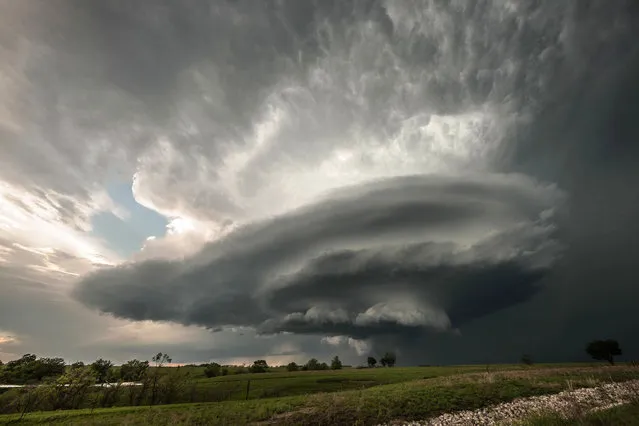
The rotating updraft base of a supercell thunderstorm, and a rear flank downdraft containing rain and hail, backlit by the setting sun, on May 10, 2014, in Climax, Kansas, United States. To most of us, dark clouds on the horizon usually means rain – but here in Kansas, they can also signal the start of a supercell. The huge formations, also known as rotating thunderstorms, are among the most powerful weather phenomenon found over land. They can occur anywhere where the conditions are right, but are normally found in more arid climates. These awe-inspiring supercells were captured south of Climax city by storm chaser Stephen Locke. (Photo by Stephen Locke/Barcroft Media)
Details
18 Jul 2014 12:01:00