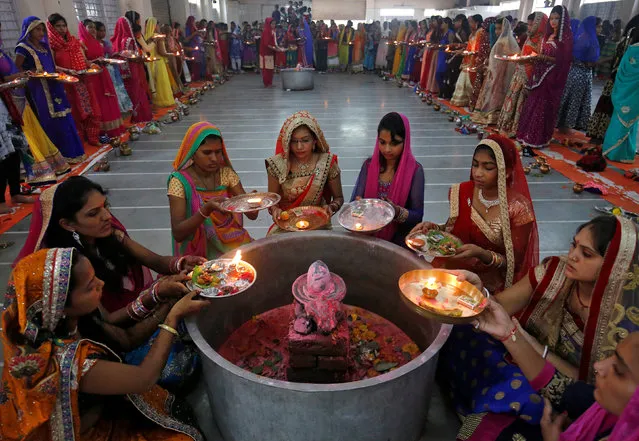
Hindu women perform a ritual known as Aarti around a Shivling (a symbol of Lord Shiva) on the last day of Jaya Parvati Vrat festival in Ahmedabad, India, July 10, 2017. (Photo by Amit Dave/Reuters)
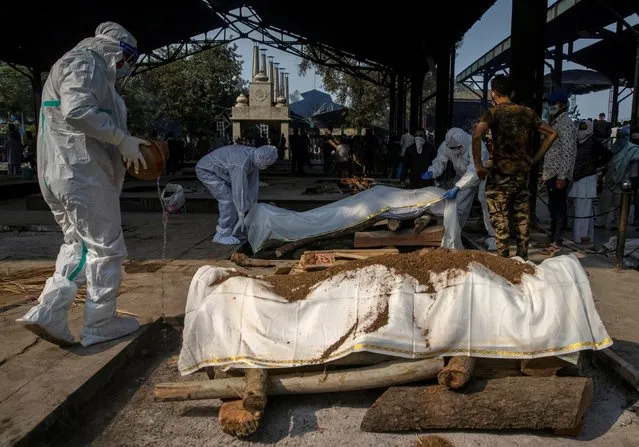
A relative performs rituals for a man who died of coronavirus disease (COVID-19), before his cremation at a crematorium in New Delhi, India, November 19, 2020. (Photo by Danish Siddiqui/Reuters)
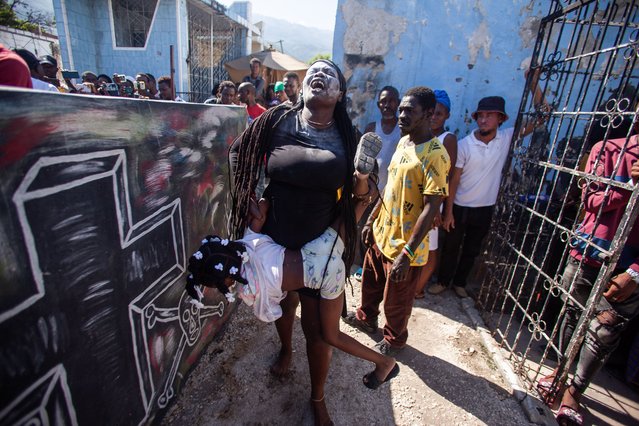
A woman takes part in a Vodou ritual at a cemetery in the Haitian capital to celebrate the Day of the Dead in Port-au-Prince, Haiti on November 1, 2024. (Photo by Patrice Noel/ZUMA Press Wire/Rex Features/Shutterstock)
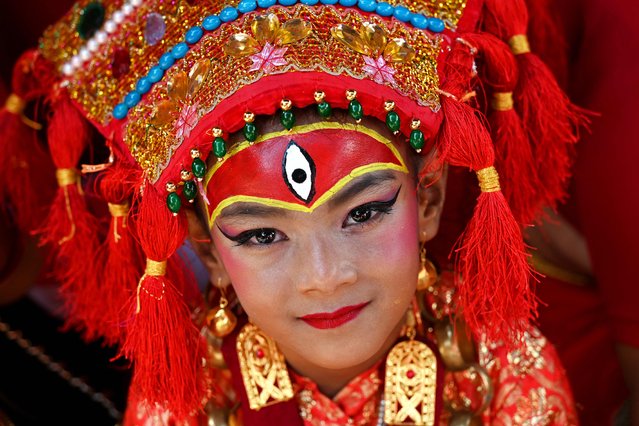
A girl dressed as a living goddess “Kumari” poses for a photograph before taking part in the “Kumari Puja” rituals at the Hanuman Dhoka at Durbar Square in Kathmandu on September 27, 2023. (Photo by Prakash Mathema/AFP Photo)
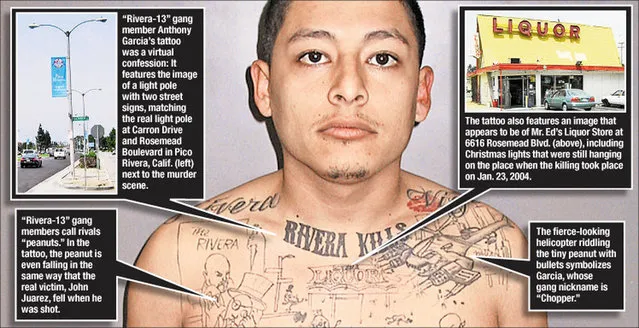
Tattoos are commonly used among criminals to show gang membership and record the wearer's personal history—such as his or her skills, specialties, accomplishments and convictions. They are also used as a means of personal expression. Certain designs have developed recognized coded meanings. The code systems can be quite complex and because of the nature of what they encode, the tattoo designs are not widely recognized.
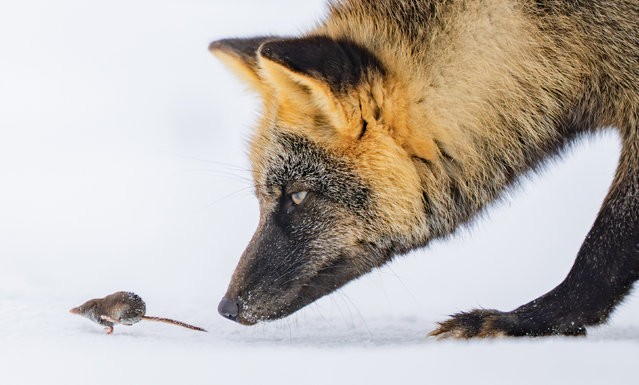
Fast food got a whole new meaning in Hokkaido, Japan, where a vole was captured fleeing from a fox in the first decade of January 2025. (Photo by Hiroki Inoue/Solent News)
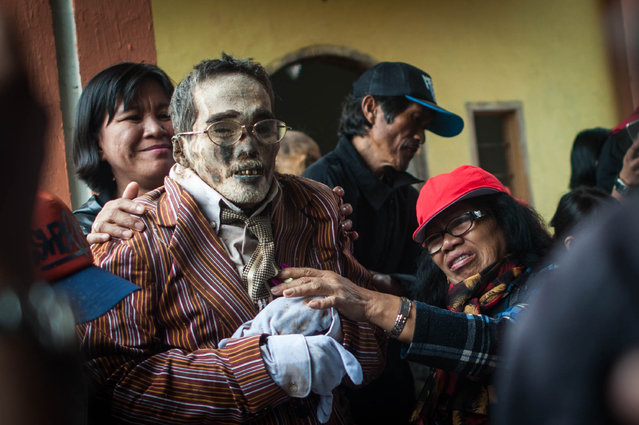
Relatives clean the body of Paul Sampe Lumba who has been dead for seven yeas during the Ma'nene ritual at Panggala Village on August 26, 2016 in Toraja, Indonesia. The Ma'nene ritual in performed during a ceremony every three years, where the dead are exhumed for a change of clothes, among the people of Toraja as an expression of the love of the surviving family. (Photo by Sijori Images/Barcroft Images)