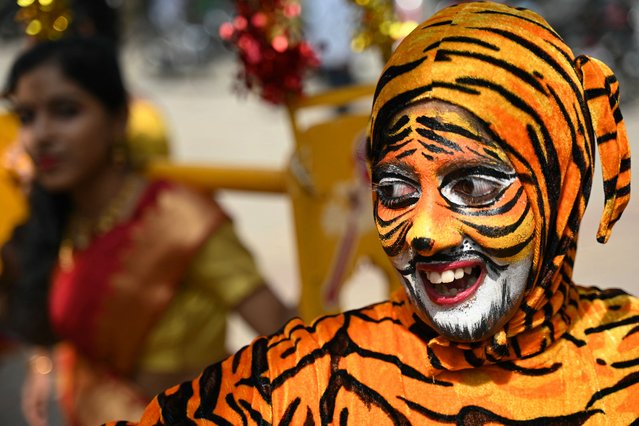
Students perform traditional dance as they take part in Pongal celebrations, the Tamil harvest festival, at a college in Chennai on January 10, 2024. (Photo by R. Satish Babu/AFP Photo)
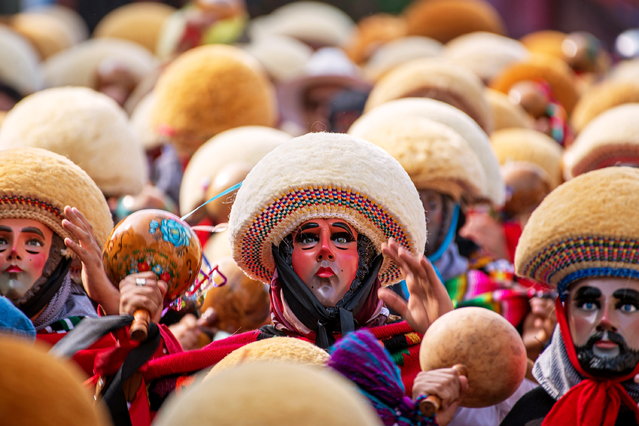
Indigenous men perfom the “Danza del Parachicos” (Parachicos dance) to honor the Lord of Esquipulas during a pilgrimage in the municipality of Chiapa de Corzo, Mexico, 15 January 2024. (Photo by Carlos López/EPA)
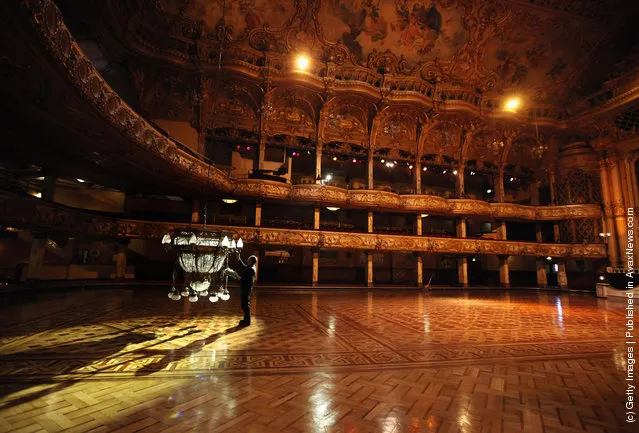
Maintenance engineer Darren Unsworth cleans one of the crystal Edwardian chandeliers that illuminate Blackpool Tower Ballroom on January 16, 2012 in Blackpool, England. Blackpool's famous Tower Ballroom is undergoing an annual spring clean which includes lowering the ornate chandeliers where each shard of crystal is cleaned for the coming season of dancing. The dance floor consisting of 30,602 blocks of mahogany, oak and walnut is also sanded and polished to give the perfect dance floor. (Photo by Christopher Furlong/Getty Images)
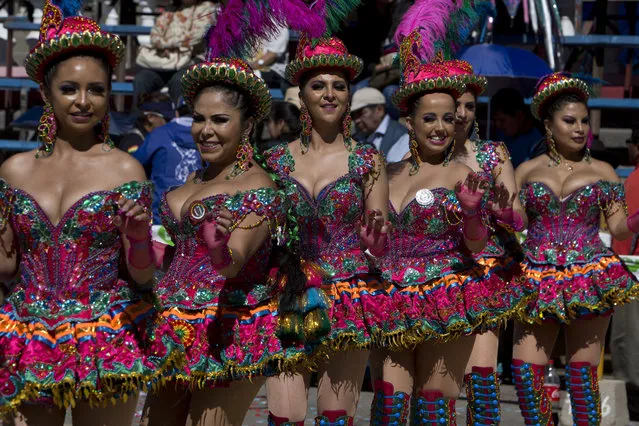
Women perform in the traditional “Morenada” dance during Carnival, in Oruro, Bolivia, Saturday, March 2, 2019. The unique festival features spectacular folk dances, extravagant costumes, beautiful crafts, lively music, and up to 20 hours of continuous partying with lots of tourists, drawing crowds of up people annually. (Photo by Juan Karita/AP Photo)
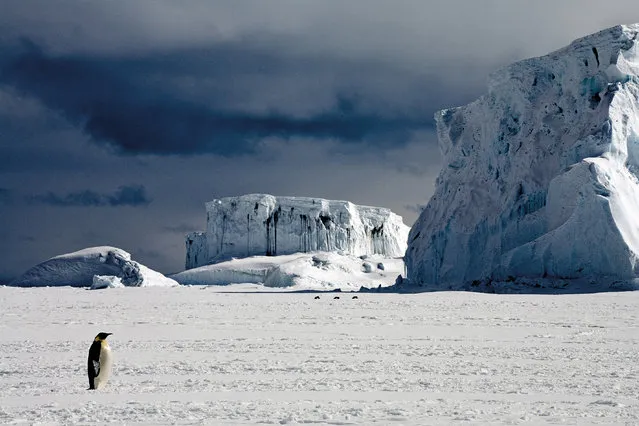
Documenting the effects of climate change first hand over the past eight years, Camille Seaman fears we may be on the road to the last iceberg. Photographing the enormous frozen floats at both poles for the past eight years, the Californian adventurer has seen the receding ice shelves and experienced the changing warmer weather. Feeling that her intimate and emotional work documents a snapshot of history, Camille presents her series “The Last Iceberg” as a study of what she sees as the personality of each huge iceberg. Drawing parallels with the famous novel, “The Last of the Mohicans”, Camille, 42, wonders whether these unique, almost alien natural features will become a thing of the past or part of nature's renewal process. (Photo by Camille Seaman/Barcroft Media)
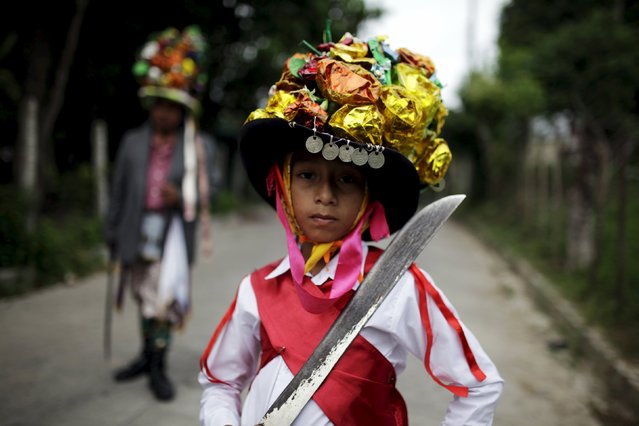
A participant in the traditional dance of Los Historiantes poses for a picture prior to performing in the festivity held in the honour of Saint James, in Santiago Nonualco July 22, 2015. The traditional dance was brought to Latin America by the Spanish, and participants each dramatise an episode of the battles between the Christians and the Moors that took place on the Iberian Peninsula about eight centuries ago, according to the dancers. (Photo by Jose Cabezas/Reuters)
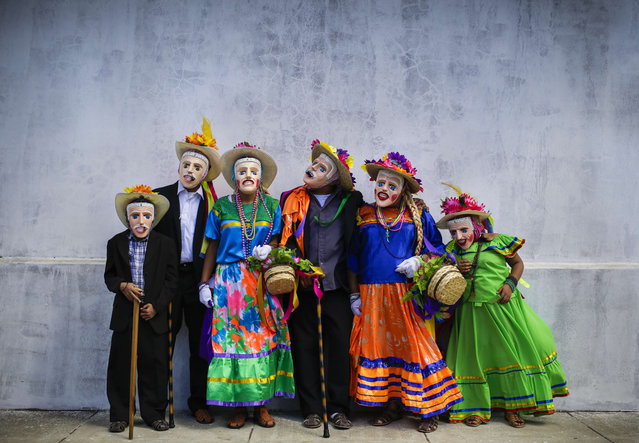
Dancers pose after performing “El Macho Raton”, “El Toro Huaco” and “El Gueguense” traditional dances during San Sebastian festivity in Diriamba, province of Carazo, some 50 km south of Managua on January 19, 2016. Devotees of Saint Sebastian dance in traditional costumes between the cities of Diriamba and Dolores, which are some three kilometers away. (Photo by Inti Ocon/AFP Photo)