Loading...
Done
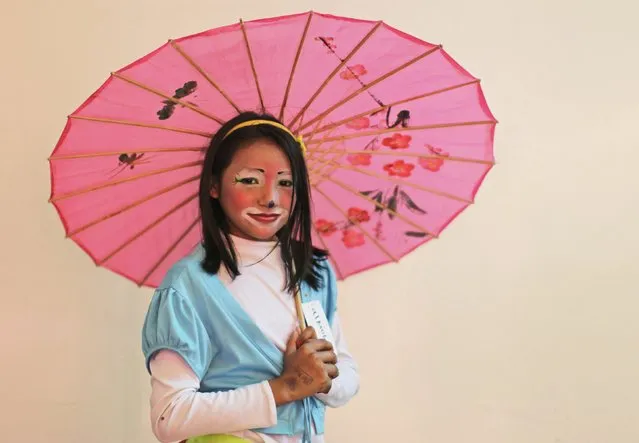
A Salvadorean clown going by the name of “Almohadita” poses during National Clown Day celebrations at Beethoven Square in San Salvador December 3, 2014. The Salvadorean congress declared the second Wednesday of December as National Clown Day to honour all Salvadorean clowns in their efforts to bring fun to the country, reported local media. (Photo by Jose Cabezas/Reuters)

A Salvadorean clown going by the name of “Almohadita” poses during National Clown Day celebrations at Beethoven Square in San Salvador December 3, 2014. The Salvadorean congress declared the second Wednesday of December as National Clown Day to honour all Salvadorean clowns in their efforts to bring fun to the country, reported local media. (Photo by Jose Cabezas/Reuters)
Details
05 Dec 2014 13:26:00
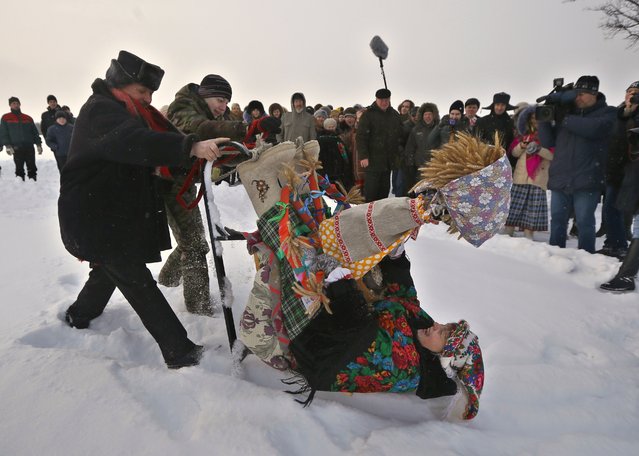
Belarusians wearing national costumes celebrate a Pull the Kolyada Up the Oak rite in the village of Martsiyanauka, some 77 km (48 miles) east of capital Minsk, Belarus, Thursday, January 21, 2016. (Photo by Sergei Grits/AP Photo)

Belarusians wearing national costumes celebrate a Pull the Kolyada Up the Oak rite in the village of Martsiyanauka, some 77 km (48 miles) east of capital Minsk, Belarus, Thursday, January 21, 2016. The merry ancient rite Pull the Kolyada Up the Oak marks the end of Orthodox Christmas celebrations in Belarus. On Jan. 21 a wheel, the so-called Kolyada, would be pulled up an oak or any old tree. The Belarusians believed that the ritual heralds a good harvest, luck and happiness for the entire year. (Photo by Sergei Grits/AP Photo)
Details
22 Jan 2016 10:13:00
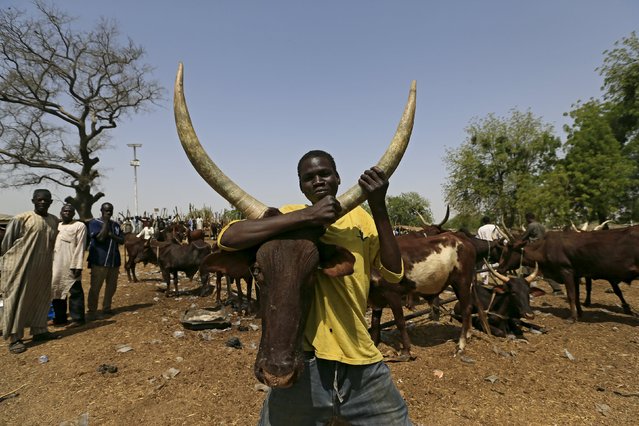
A man holds a cow at the cattle market in Maiduguri, Nigeria, March 9, 2016. (Photo by Afolabi Sotunde/Reuters)

A man holds a cow at the cattle market in Maiduguri, Nigeria, March 9, 2016. A Nigerian government push to strangle the Boko Haram insurgency has shut down the cattle trade that sustained the city of Maiduguri, leaving many residents with no livelihood, including many of the two million people displaced by the war. In recent months the army has taken back much of the territory lost to the jihadists during the five-year insurgency. (Photo by Afolabi Sotunde/Reuters)
Details
16 Mar 2016 14:06:00
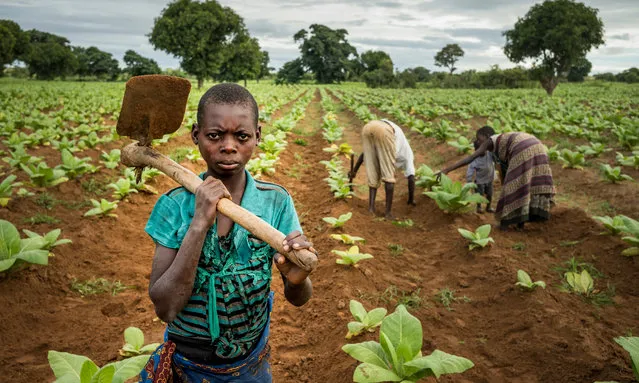
Tiyamike Phiri hopes to become a nurse because she wants to travel the country and help others. (Photo by David Levene/The Guardian)

Life as tenant farmers in Kasungu, northern Malawi, can be a struggle for families trapped in poverty, who feel forced to rely on their children’s help, impacting schooling. Here: A tobacco field at a farm in Kasungu region, Malawi. Tobacco is the country’s most important export crop, with tobacco leaf from Malawi filling cigarettes found all over the world. Here: Tiyamike Phiri hopes to become a nurse because she wants to travel the country and help others. (Photo by David Levene/The Guardian)
Details
27 Jun 2018 00:05:00
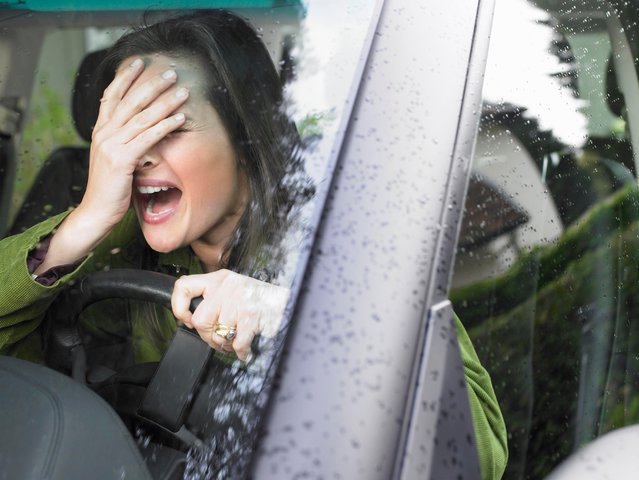
Restive woman driving. (Photo by Cultura Creative (RF)/Alamy Stock Photo )

Restive woman driving. (Photo by Cultura Creative (RF)/Alamy Stock Photo)
Details
31 May 2017 07:01:00
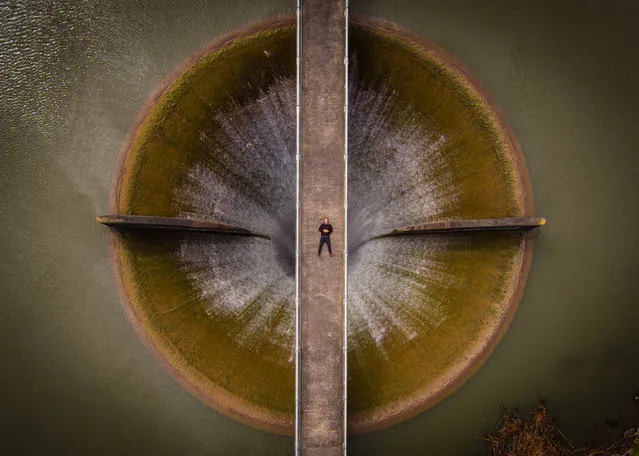
Dam near perfect. Second prize in the same category was of the Huia Dam in Auckland, New Zealand. Hong Kong-based SkyPixel was launched in 2014. (Photo by Brendon Dixon/SkyPixel)

Aerial photography platform SkyPixel received 27,000 entries to its 2016 competition. Here are the winning shots plus some of our favourites. Here: Dam near perfect. Second prize in the same category was of the Huia Dam in Auckland, New Zealand. Hong Kong-based SkyPixel was launched in 2014. (Photo by Brendon Dixon/SkyPixel)
Details
25 Jan 2017 11:40:00
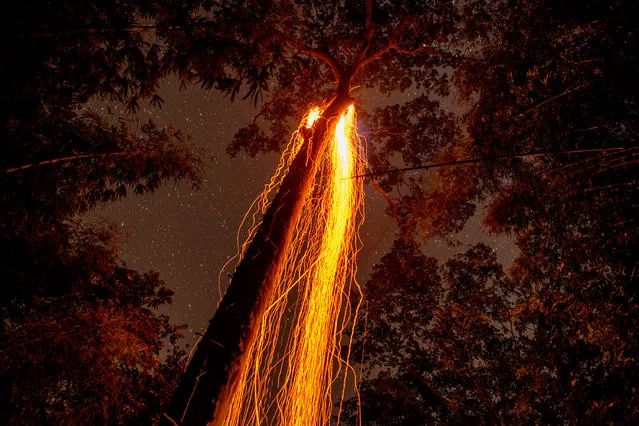
Bees are sensitive to light, which makes them follow the glowing embers down to the ground. (Photo by Hasnoor Hussain/The Guardian)

During the spring harvest season, a group of traditional Malaysian honey hunters travel to the rainforest near the Thai border to collect honeycombs from giant bees – and risk their lives climbing 200ft trees. Here: Bees are sensitive to light, which makes them follow the glowing embers down to the ground. (Photo by Hasnoor Hussain/The Guardian)
Details
22 Oct 2016 10:26:00
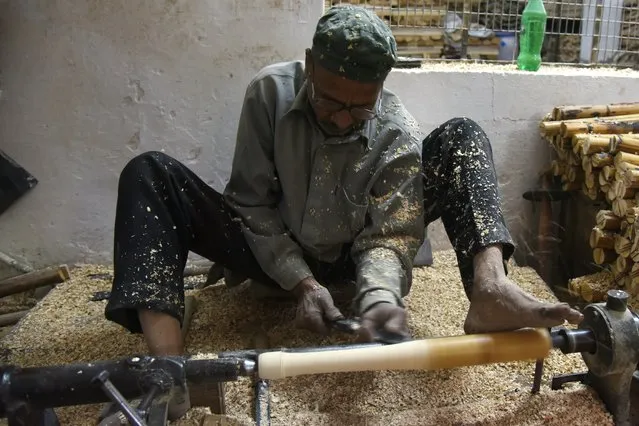
In this photograph taken on December 14, 2016, an Indian craftsman works on unfinished cricket bats in a factory in Meerut, some 70 kms north- east of New Delhi. As Indian factory worker Jitender Singh carves out another big- hitting slab of thick willow he insists MCC proposals to limit the size of cricket bats won' t tame Twenty20 marauders. “I don' t think the thickness matters. It' s more about the balance of the bat and the talent of the batsman”, says Singh, who has made bats for many stars, including South Africa's AB de Villiers. The World Cricket committee of the MCC, the guardians of the game, recommended in December 2016 that limitations be placed on the width and depth of bats because it had become too easy to smash fours and sixes. (Photo by Dominique Faget/AFP Photo)

In this photograph taken on December 14, 2016, an Indian craftsman works on unfinished cricket bats in a factory in Meerut, some 70 kms north- east of New Delhi. (Photo by Dominique Faget/AFP Photo)
Details
11 Jan 2017 14:32:00