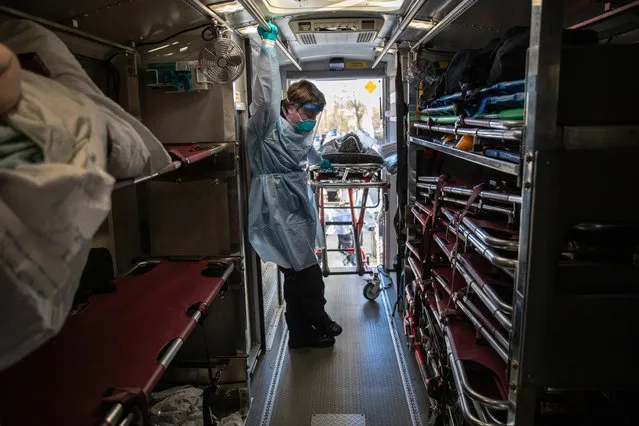
EMT Christian Amoroso, wearing personal protective equipment (PPE), pauses while unloading COVID-19 patients at the Montefiore Medical Center Wakefield Campus on April 06, 2020 in the Bronx borough of New York City. A specialized bus known as a Medical Evacuation Transport Unit (METU), caries infected patients on stretchers and benches between hospitals. (Photo by John Moore/Getty Images)
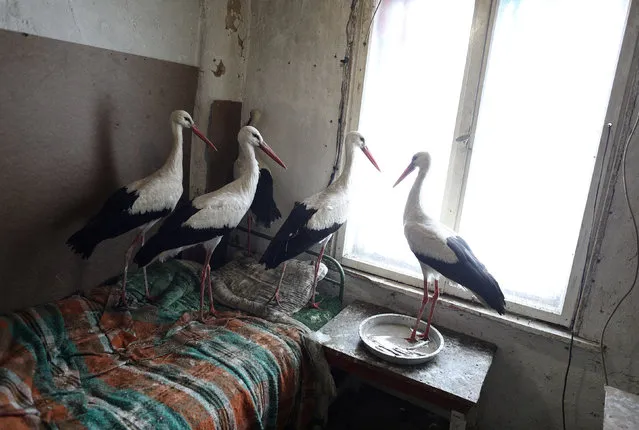
Storks that were saved by Bulgarian farmer Safet Ismail are pictured in the village of Zaritsa, Bulgaria, March 21, 2018. Dozens of people from villages in north-eastern Bulgaria took storks to their houses as a lot of the birds got injured due to freezing temperatures and snowfalls in the area over the last few days. (Photo by Stoyan Nenov/Reuters)
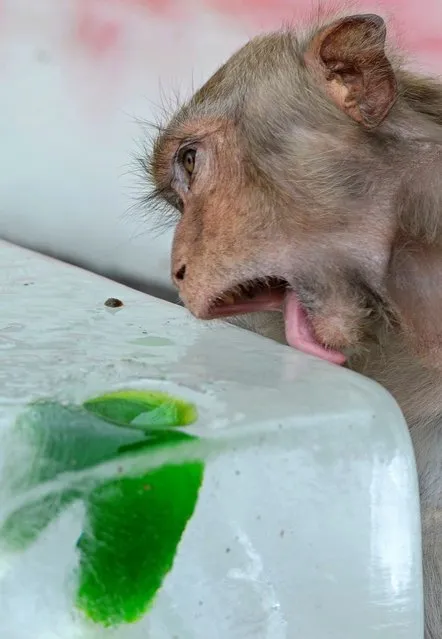
A monkey licks ice during the annual “monkey buffet” in Lopburi province, some 150 kms north of Bangkok on November 24, 2013. More than 2,000 kilos of fruits and vegetables were offered to the monkeys during the annual festival to help promote tourism in the area. (Photo by Pornchai Kittiwongsakul/AFP Photo)
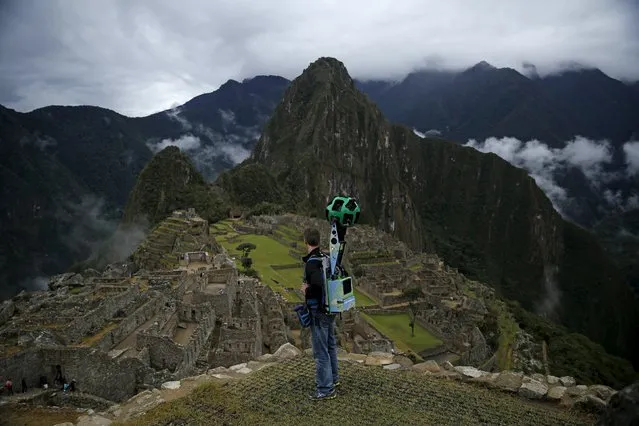
Daniel Filip, Tech Lead Manager for Google Maps, carries the Trekker, a 15-camera device, while mapping the Inca citadel of Machu Picchu for Google Street View in Cuzco, Peru, August 11, 2015. (Photo by Pilar Olivares/Reuters)
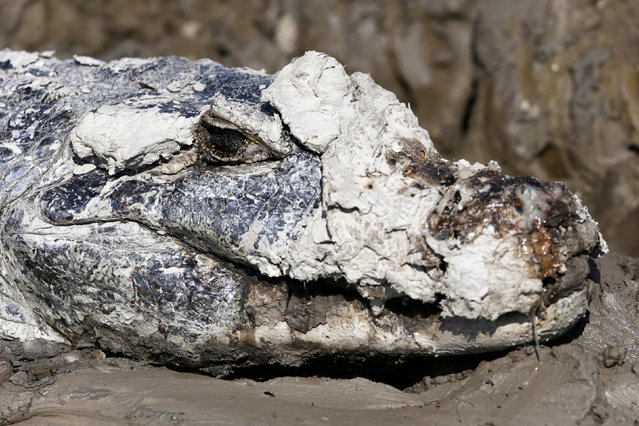
An alligator is pictured stuck in the mud of the dry Pilcomayo river, which is facing its worst drought in almost two decades, on the border between Paraguay and Argentina, in Boqueron, July 3, 2016. (Photo by Jorge Adorno/Reuters)
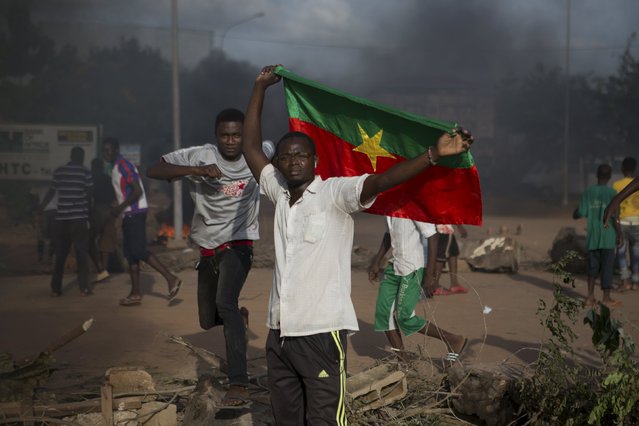
An anti-coup protester holds a Burkinabe flag in Ouagadougou, Burkina Faso, September 18, 2015. Security forces in the capital of Burkina Faso fired in the air on Friday to disperse demonstrators who burned tyres and blocked neighborhood streets to protest at a military coup this week that derailed a democratic transition. The head of a military junta in Burkina Faso which took power on Thursday has freed interim President Michel Kafando and two of his ministers, state television said on Friday. (Photo by Joe Penney/Reuters)
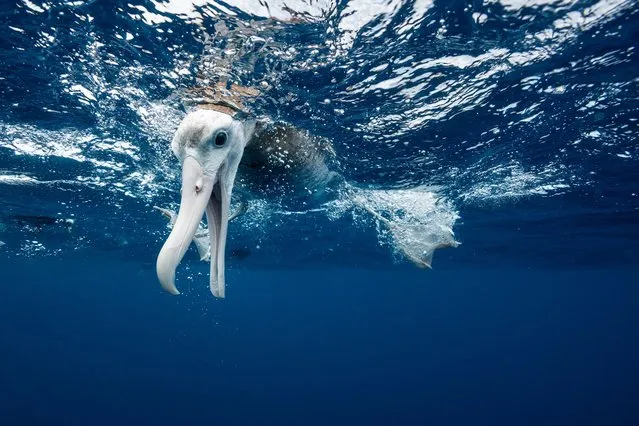
The endangered antipodean albatross, which is often caught in fishing nets, won most first-choice votes out of the more than 55,000 votes cast during the 2020 New Zealand’s bird of the year competition. (Photo by Wildestanimal/Getty Images)