Loading...
Done
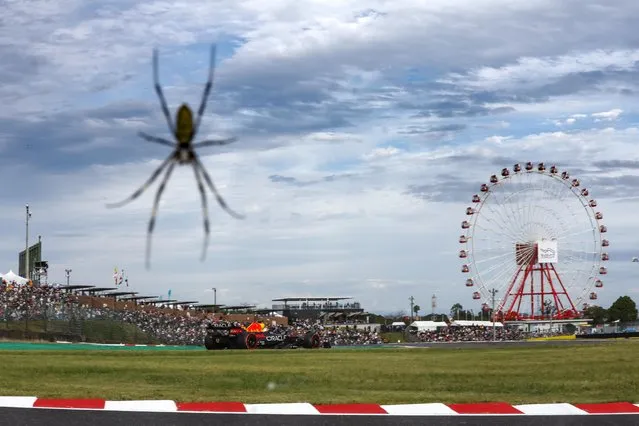
Belgian-Dutch racing driver Maz Verstappen was racing for Red Bull at the Japanese Grand Prix in Suzuka at Suzuka International Circuit on October 9, 2022 when a spider on the camera lens threatened to get in the way of the action. (Photo by DPPI)

Belgian-Dutch racing driver Maz Verstappen was racing for Red Bull at the Japanese Grand Prix in Suzuka at Suzuka International Circuit on October 9, 2022 when a spider on the camera lens threatened to get in the way of the action. (Photo by DPPI)
Details
06 Nov 2022 04:17:00
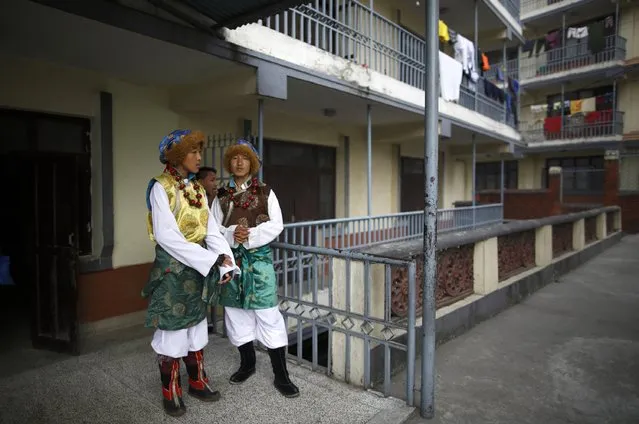
Tibetan boys dressed in traditional attire take part during a function organised by the Tibetan Refugee Community in Nepal,commemorating the 25th Anniversary of the Nobel Peace Prize conferment to exiled Tibetan spiritual leader Dalai Lama and the 66th International Human Rights Day in Kathmandu December 10, 2014. Nepal ceased issuing refugee papers to Tibetans in 1989 and recognizes Tibet to be a part of China. (Photo by Navesh Chitrakar/Reuters)

Tibetan boys dressed in traditional attire take part during a function organised by the Tibetan Refugee Community in Nepal,commemorating the 25th Anniversary of the Nobel Peace Prize conferment to exiled Tibetan spiritual leader Dalai Lama and the 66th International Human Rights Day in Kathmandu December 10, 2014. Nepal ceased issuing refugee papers to Tibetans in 1989 and recognizes Tibet to be a part of China. (Photo by Navesh Chitrakar/Reuters)
Details
11 Dec 2014 14:02:00
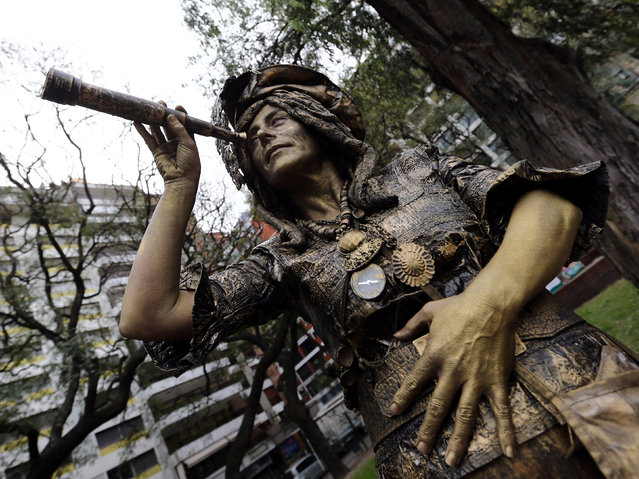
Maria Ines Banegas portraying “La Pirata” (The Pirate) takes part in a human living statues contest in Buenos Aires, Argentina, September 24, 2016. (Photo by Enrique Marcarian/Reuters)

Maria Ines Banegas portraying “La Pirata” (The Pirate) takes part in a human living statues contest in Buenos Aires, Argentina, September 24, 2016. (Photo by Enrique Marcarian/Reuters)
Details
25 Sep 2016 06:58:00
Reading the Metro, enjoying some Swedish meatballs. (Photo by Svetlana Valyiskaya/Mercury)

It's often said that pets and their owners can start to look alike, but these adorable photographs take the old mantra to a new extreme. They are the work of Svetlana Valyiskaya (27), from St Petersburg, who snaps pets in everyday poses in her spare time from her job as a commercial photographer. The vibrant costumes and scenes, which Svetlana designs herself, have made the photos a hit in her native Russia – and it's not hard to see why. She said: “I really love animals, they are loyal, faithful and true and always interesting to work with – plus they never criticise the photographs afterwards”. (Photo by Svetlana Valyiskaya/Mercury)

Details
03 Sep 2014 10:44:00
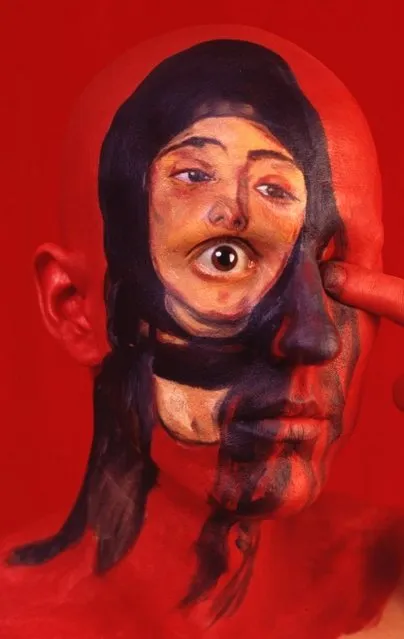
Captivating Human Body Paintings By Chadwick And Spector

New York City artists, Chadwick Gray and Laura Spector, currently residing in Chiang Mai, Thailand. They have been creating work together since they met in 1994. Their artwork has crossed over disciplines of photography, performance art, painting, video and even theater.
Details
04 Apr 2013 09:39:00
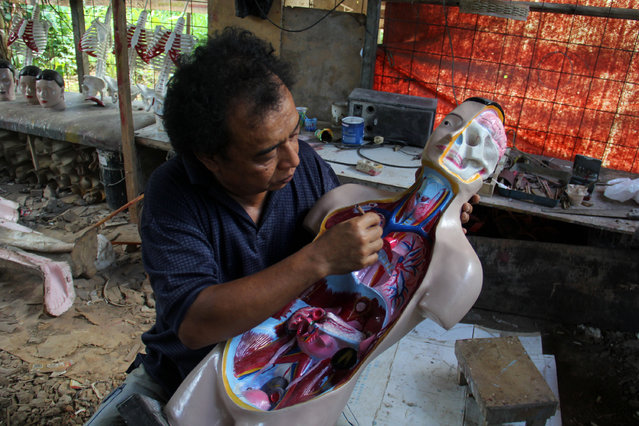
A craftsman works on making human anatomy mannequins on April 23, 2014 in Depok, West Java, Indonesia. The mannequins are made from fiberglass and will be used in schools, hospitals and laboratories. (Photo by Nurcholis Anhari Lubis/Getty Images)

A craftsman works on making human anatomy mannequins on April 23, 2014 in Depok, West Java, Indonesia. The mannequins are made from fiberglass and will be used in schools, hospitals and laboratories. (Photo by Nurcholis Anhari Lubis/Getty Images)
Details
24 Apr 2014 08:54:00
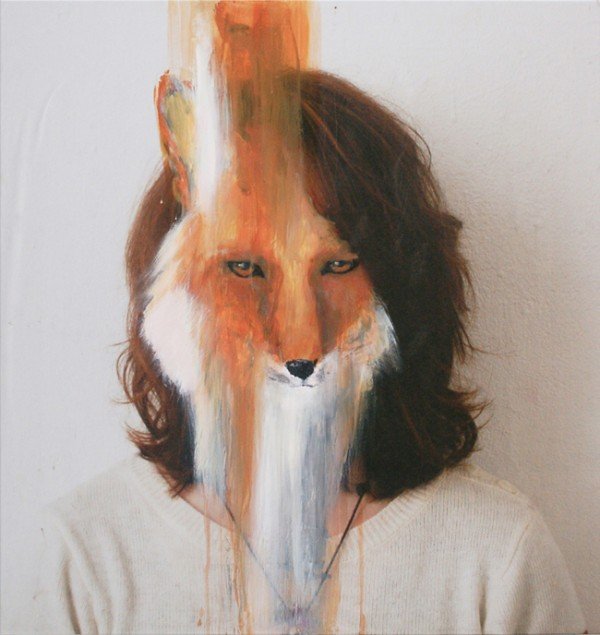
Charlotte Caron Portraits

French artist Charlotte Caron makes very interesting paintings. For the works, a combination of photography and painting, she paints animal heads looking like some sort of masks over the faces of photo-portraits that she takes herself.
Details
14 May 2012 05:10:00
Mortsafe - Protection From The Dead

Mortsafes were contraptions designed to protect graves from disturbance. Resurrectionists had supplied the schools of anatomy in Scotland since the early 18th century. This was due to the necessity for medical students to learn anatomy by attending dissections of human subjects, which was frustrated by the very limited allowance of dead bodies – for example the corpses of executed criminals – granted by the government, which controlled the supply.
Details
29 Nov 2013 12:03:00