Ai (R) and Hamuka dressed in “Lolita fashion”, influenced by Victorian style, pose for a photographs at Harajuku shopping district in Tokyo, Japan March 15, 2018. (Photo by Kim Kyung-Hoon/Reuters)
Cosplayers attend the MCM Comic Con London 2022 at the ExCel Centre in London in London, Britain on October 28, 2022. (Photo by Maja Smiejkowska/Reuters)
Supporters enjoy the atmosphere before watching England's second World Cup match against USA on the big screen at Road to Victory, Europe's largest World Cup fan park at Mayfield Depot on November 25, 2022 in Manchester, England. The English team came into their second World Cup 2022 match favoured to win. (Photo by Anthony Devlin/Getty Images)
A model presents a creation from the LaQuan Smith Fall and Winter '23 collection at the Rainbow Room during Fashion Week in New York City, New York, U.S., February 13, 2023. (Photo by Caitlin Ochs/Reuters)
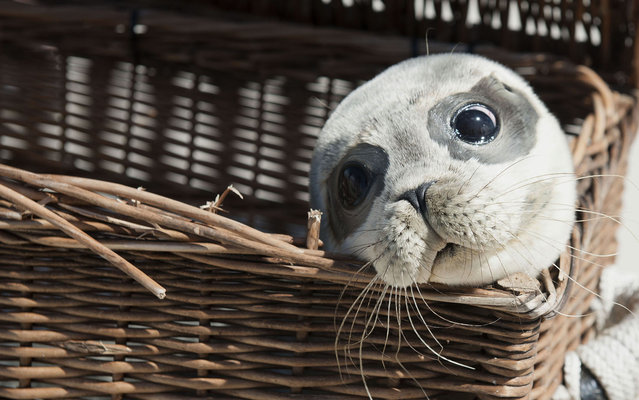
Seehund “Bruno” looks out of his transport box before making his way to the water on the beach of the island of Juist, Germany on August 14, 2013. Four young seals were released after six weeks of recovery at a rescue station in Norden-Norddeich. (Photo by Carmen Jaspersen/AFP Photo/DPA)
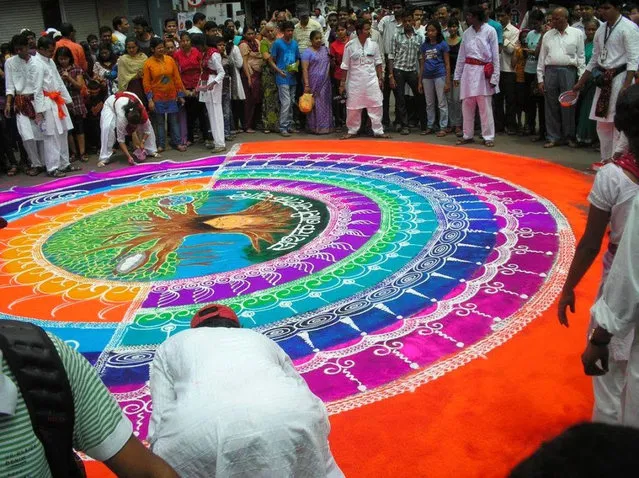
Rangoli, also known as kolam or Muggu, is a folk art from India in which patterns are created on the floor in living rooms or courtyards using materials such as colored rice, dry flour, colored sand or flower petals. It is usually made during Diwali, Onam, Pongal and other Indian festivals. They are meant to be sacred welcoming areas for the Hindu deities. The ancient symbols have been passed down through the ages, from each generation to the next, keeping both the art form and the tradition alive. Similar practices are followed in different Indian states: in Tamil Nadu, there is Kolam in Tamil Nadu; Mandana in Rajasthan; Chaookpurna in Chhattisgarh; Alpana in West Bengal; Aripana in Bihar; Chowk pujan in Uttar Pradesh; Muggu in Andhra Pradesh and others.
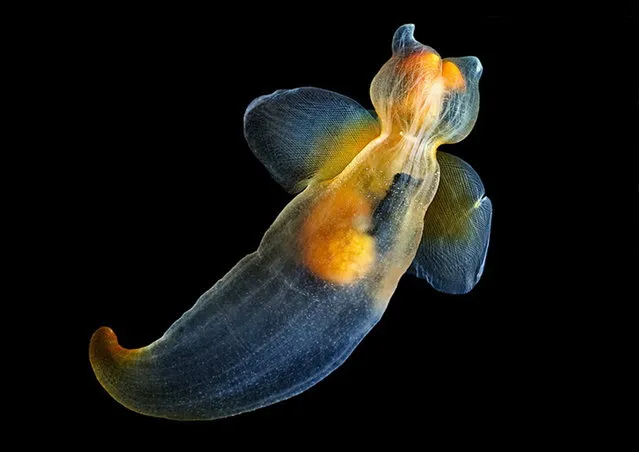
In 2007, I graduated from Lomonosov’s Moscow State University in the department of Zoology. I specialized in the study of invertebrate animals, with an emphasis on squid brains. Soon after, I began working at the White Sea Biological Station (WSBS) as a senior laborer. WSBS has a dive station, which is great for all sorts of underwater scientific needs, and after 4 years working there, I became chief of our diving team. I now organize all WSBS underwater projects and dive by myself with a great pleasure and always with a camera.