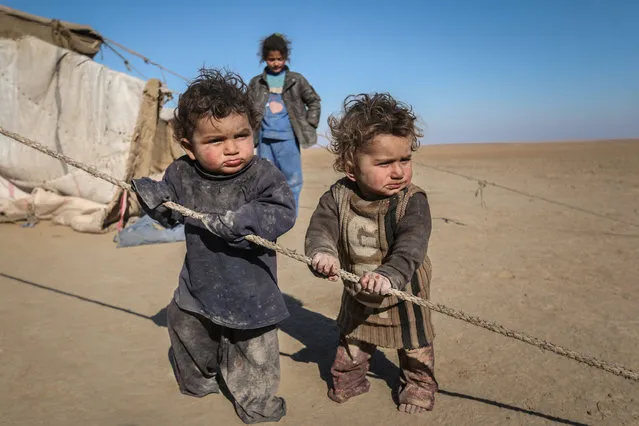
Internally displaced Syrian children who fled Raqqa city stand near their tent in Ras al-Ain province, Syria January 22, 2017. (Photo by Rodi Said/Reuters)
A tow car for the children's “Grand Prix” races which take place in a parking lot in Livonia, Michigan a suburb of Detroit, circa 1955. (Photo by Three Lions/Getty Images)
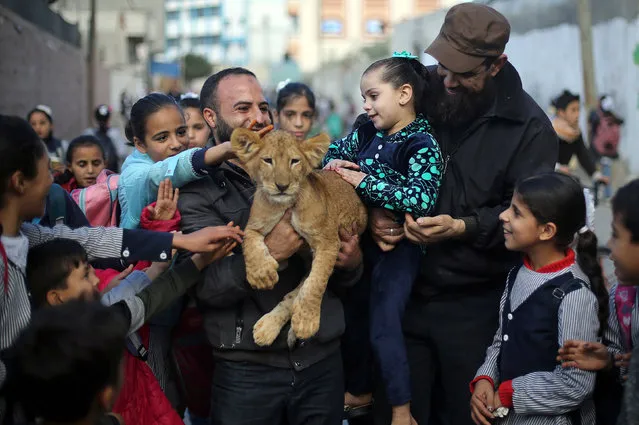
A Palestinian man carries a lion cub as he shows it to children in Rafah refugee camp in the southern Gaza Strip on December 4, 2019. (Photo by Ibraheem Abu Mustafa/Reuters)
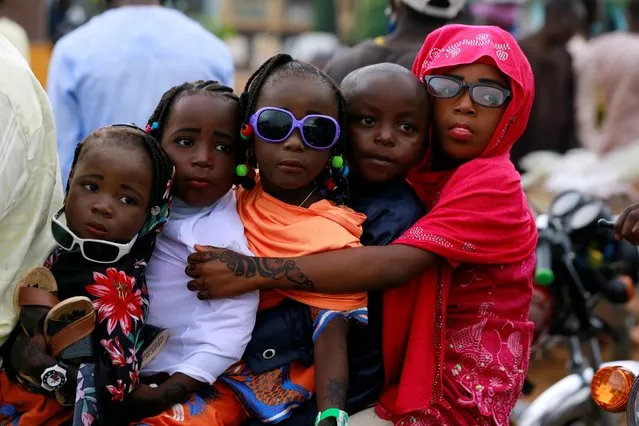
Children are seen on a bike after Muslims in Nigeria perform Eid prayer following the global outbreak of coronavirus disease (COVID-19) in Nasarawa on May 24, 2020. (Photo by Afolabi Sotunde/Reuters)
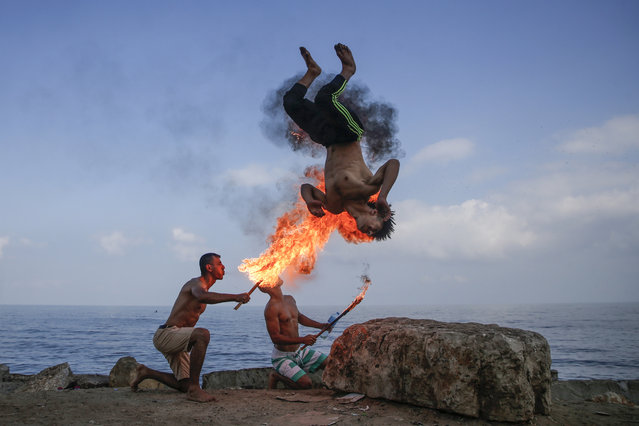
Palestinian men perform fire breathing on the beach as an entertainment for children during the summer vacation in Gaza City on August 1, 2019. (Photo by Mohammed Abed/AFP Photo)
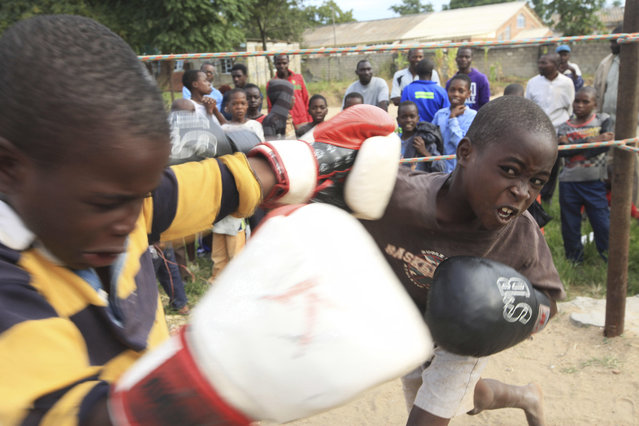
In this Sunday, March 11, 2017 photo, children fight in a boxing ring in Chitungwiza, Zimbabwe. Zimbabwean boys as young as 10 hurry every weekend to a boxing ring whose nickname, Wafa Wafa, in the local Shona language suggests that whoever enters will be lucky to come out alive. (Photo by Tsvangirayi Mukwazhi/AP Photo)
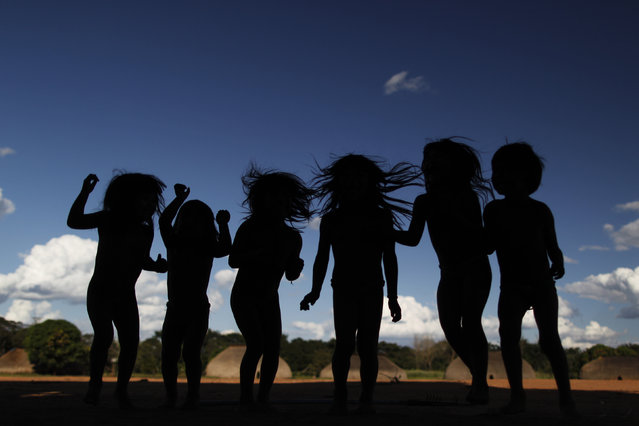
Yawalapiti children play during the preparations for the celebration of “quarup”, a ritual held to honor in death a person of great importance to them, in the Xingu National Park, Mato Grosso State, May 7, 2012. (Photo by Ueslei Marcelino/Reuters)
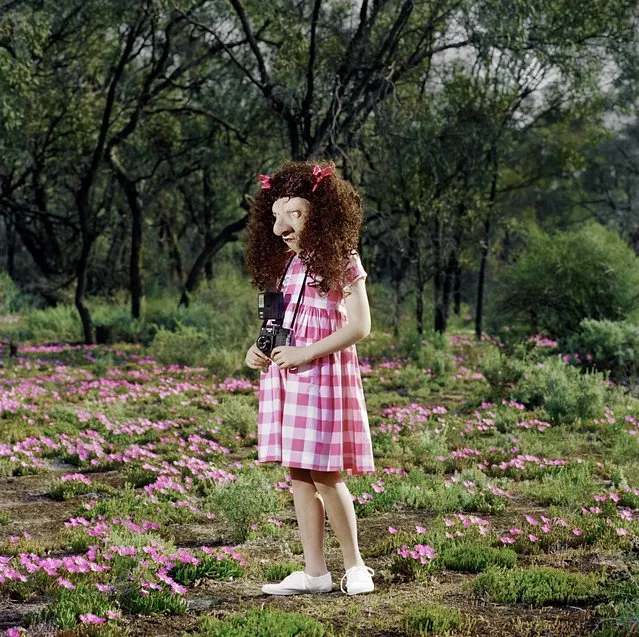
Australian artist Polixeni Papapetrou trends the line between fantasy/theatre, mythology/reality, archetype/play, male/female, child/adult and animal/human. As with all her work the series The Dreamkeepers tells a story that includes her autobiographical relationship with her children, but it also says a lot more about the condition of childhood - its place in our culture and how we react to images of children in photography.