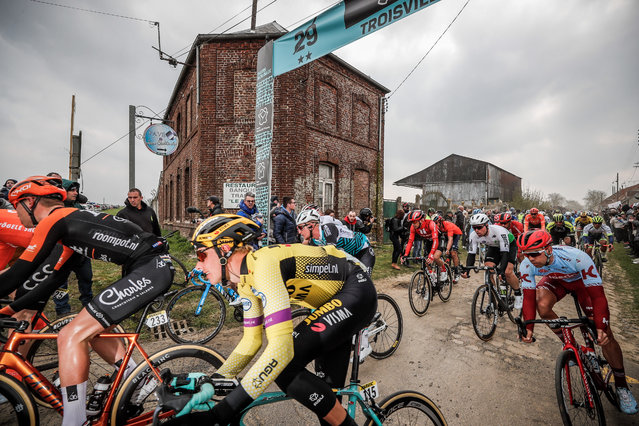
Riders of the Peloton approach a cobbled section near the Arenberg forrest at the 117th Paris-Roubaix cycle race in Wallers, France on April 12, 2019. (Photo by Christophe Petit-Tesson/EPA)
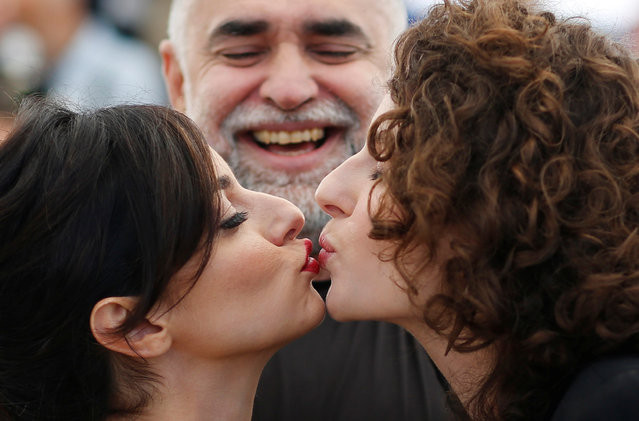
Brazilian actress Julia Stockler (L) and Brazilian actress Carol Duarte kiss while posing with Brazilian film director Karim Ainouz during a photocall for the film “A Vida Invisivel de Euridice Gusmao (The Invisible Life of Euridice Gusmao)” at the 72nd edition of the Cannes Film Festival in Cannes, southern France, on May 20, 2019. (Photo by Stephane Mahe/Reuters)
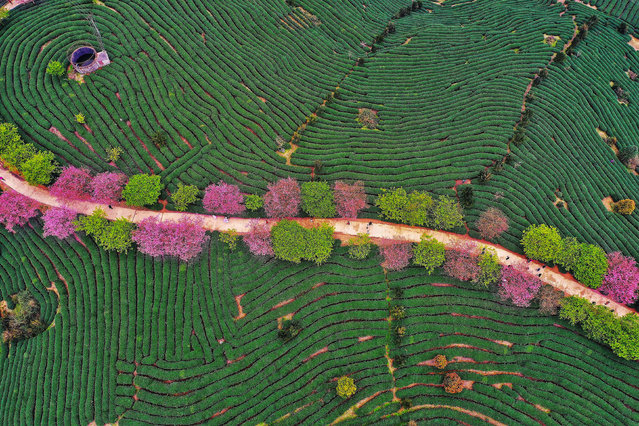
This photo taken on February 26, 2019 shows an aerial view of a tea field in Zhangping in China's eastern Fujian province. (Photo by AFP Photo/China Stringer Network)
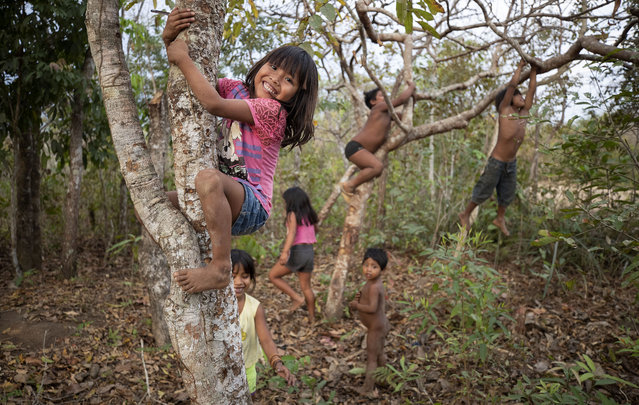
In this August 26, 2019 photo, children of the Nambikwara Sarare tribe climb trees as they play in their indigenous reserve in the southwestern Amazon, near Conquista D'Oeste, in the Brazilian state of Mato Grosso. About 98% of all Brazil’s indigenous lands lie within the Amazon. (Photo by Andre Penner/AP Photo)
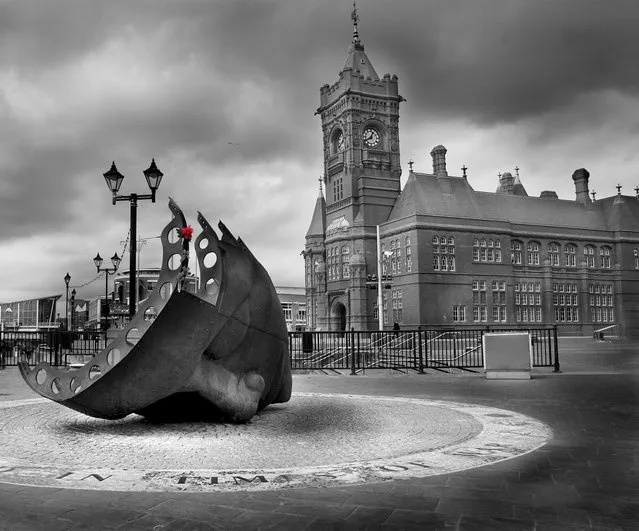
Some lost at sea memorials are touched by genius. The images they convey are timeless and universal – like all great art. The designer and sculptor of this unforgettable memorial in Wales is Brian Fell.
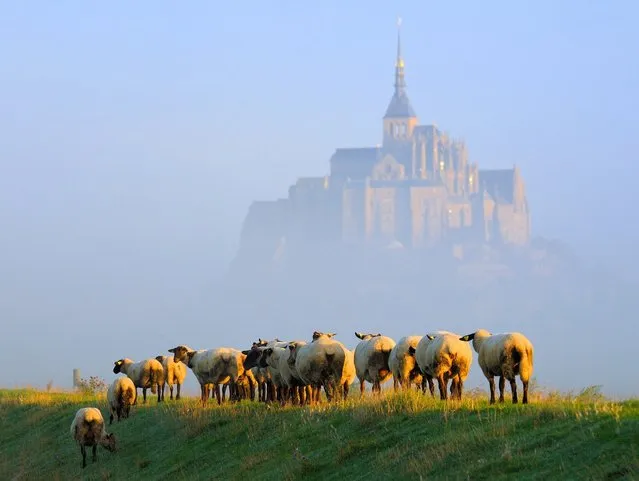
During the feudal times, the society was very structured where everyone knew their place. Fishermen knew that they would always have to bend their knee for highborn ladies and gentlemen, while the latter considered themselves to be far too superior to even look at the common folk. Mont Saint-Michel is a living memorial of those times. Its structural composition clearly reflects the structure of feudal society: The monastery and abbey were built on the highest point; housing and stores were built some distance below; finally, fishermen’s and farmer’s houses were constructed, not even being within the city walls, making them the most vulnerable to the possible attack.