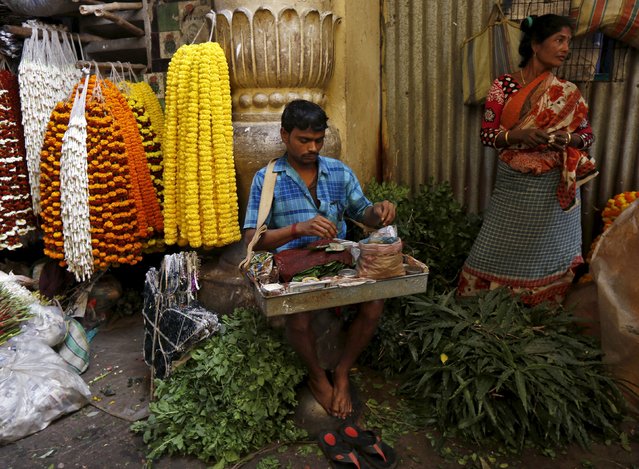
A vendor prepares paan, a betel nut-based chewable stimulant at a flower market in Kolkata, India, January 18, 2016. (Photo by Rupak De Chowdhuri/Reuters)
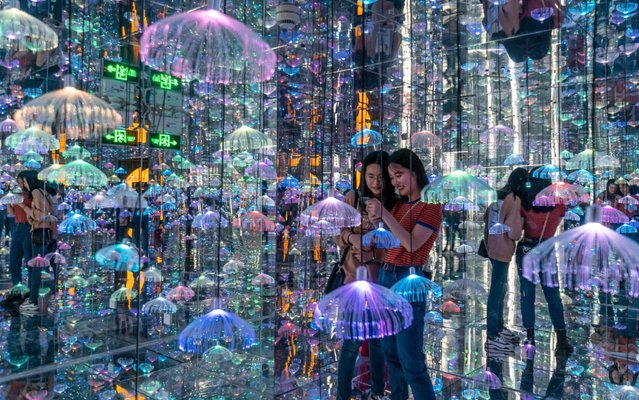
Visitors browse in the starry Art Museum. Shanghai, China, May 13, 2020. The exhibition hall uses a large number of mirror devices, combined with the layout of acousto-optic, to create a visual scene and spatial effect. (Photo by Costfoto/Barcroft Media via Getty Images)
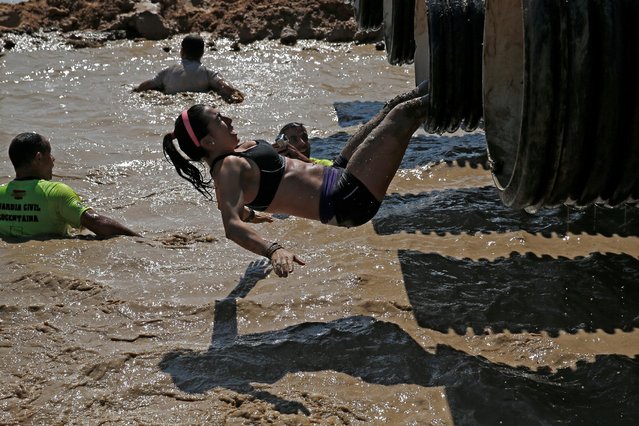
Participants compete in the Mud Day Race extreme run competition at El Goloso military base, outside Madrid, Spain, June 11, 2016. Thousands of athletes got covered in mud as they celebrated International Mud Day running a 13-kilometer obstacle course on a sunny Saturday with heatwave-like temperatures up to a 29 degrees Celcius (around 84 degrees Fahrenheit). (Photo by Juan Medina/Reuters)
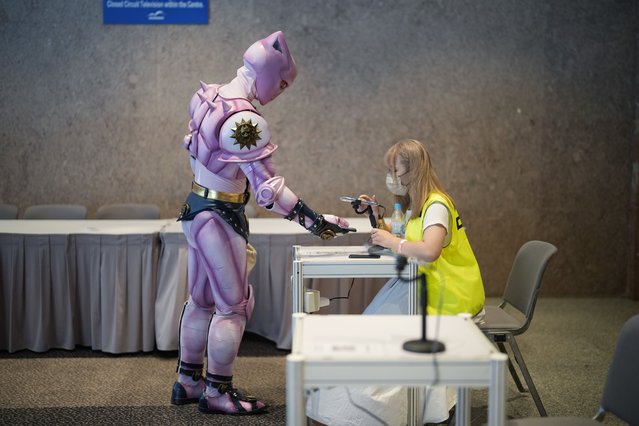
A participant wearing his cosplay featuring a character from an animation gets his government contact tracing QR code in the “LeaveHomeSafe” COVID-19 mobile app scanned at Ani-Com and Games exhibition in Hong Kong, Friday, July 29, 2022. (Photo by Kin Cheung/AP Photo)
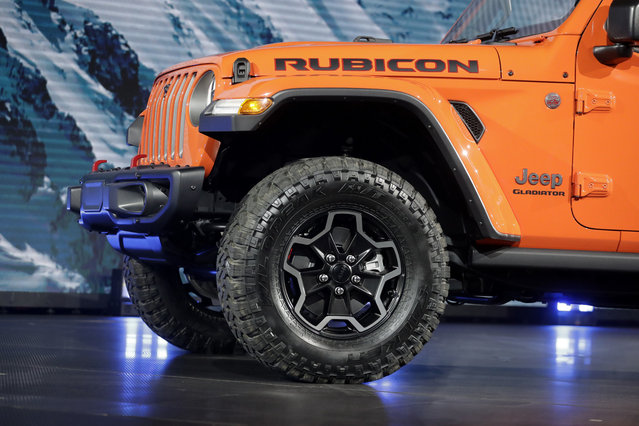
A 2020 Jeep Gladiator Rubicon is displayed during the Los Angeles Auto Show on Wednesday, November 28, 2018, in Los Angeles. (Photo by Chris Carlson/AP Photo)
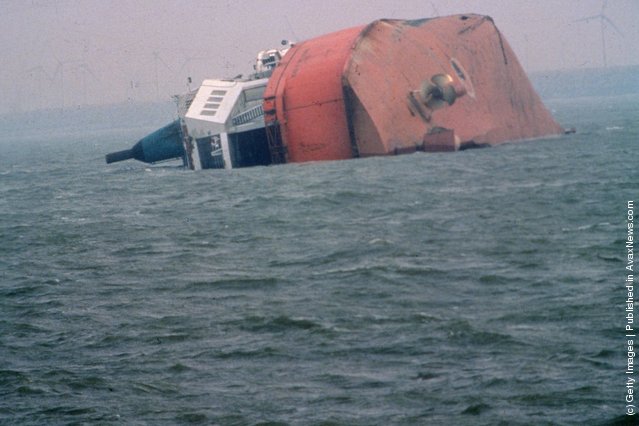
“MS Herald of Free Enterprise was a roll-on roll-off (RORO) car and passenger ferry owned by Townsend Thoresen. She was one of three ships commissioned by the company to operate on the Dover–Calais route across the English Channel. The ferry capsized on the night of 6 March 1987, moments after leaving the Belgian port of Zeebrugge, killing 193 passengers and crew. This was the deadliest maritime disaster involving a British ship in peacetime since the sinking of the Iolaire in 1919”. – Wikipedia
Photo: The wreck of the Herald of Free Enterprise, which capsized near Zeebrugge on the 6th of March 1987. (Photo by Hulton Archive/Getty Images). 1987