Loading...
Done
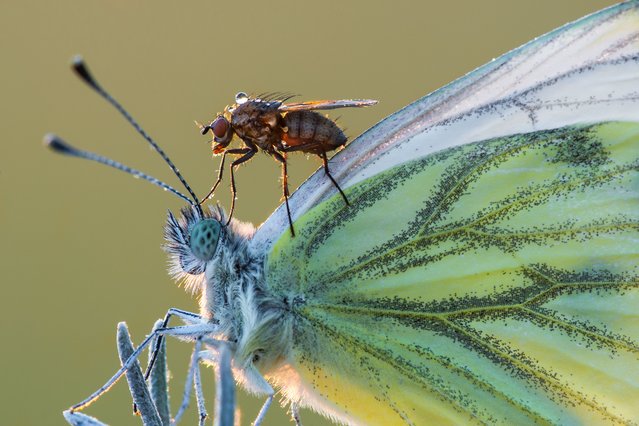
A fly rides a butterly, July 2016. (Photo by Petar Sabol Sharpeye/Rex Features/Shutterstock)

A fly rides a butterly, July 2016. (Photo by Petar Sabol Sharpeye/Rex Features/Shutterstock)
Details
15 Oct 2016 11:09:00
Dance floor atmosphere at the Daily Front Row's Fashion Media Awards – After Party at The Wooly on September 8, 2017 in New York City. (Photo by Paul Morigi/Getty Images)

Dance floor atmosphere at the Daily Front Row's Fashion Media Awards – After Party at The Wooly on September 8, 2017 in New York City. (Photo by Paul Morigi/Getty Images)
Details
10 Sep 2017 07:48:00
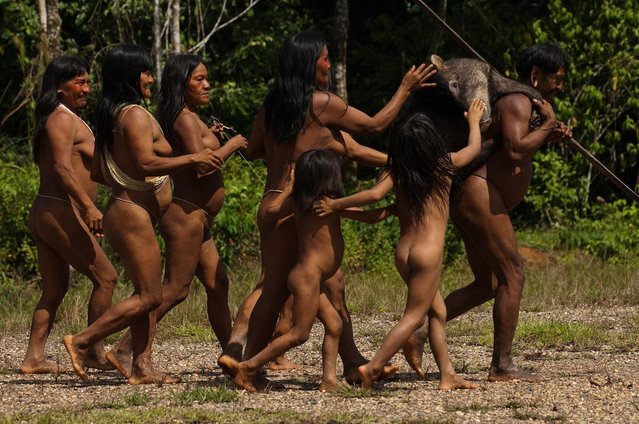
Spectacular images offering insight into the lives of the Huaorani people in the Ecuadorian Amazon have been revealed showing how they use traditional methods to hunt monkeys for food. The stunning pictures were taken by conservation photographer Pete Oxford from Torquay, Devon in the Ecuadorian Amazon. “The Huaorani Indians are a forest people highly in tune with their environment. Many are now totally acculturated since the 1950s by missionaries”, said Pete. “Today they face radical change to their culture to the proximity of oil exploration within their territory and the Yasuni National Park and Biosphere Reserve, they are vastly changed. Some still live very traditionally and for this shoot, through my Huaorani friend, a direct relative of those photographed he wanted to depict them as close to their original culture as possible. They still largely hunt with blow pipes and spears eating a lot of monkeys and peccaries”. The Huaorani are also known as the Waorani, Waodani or the Waos and are native Amerindians. Their lands are located between the Curaray and Napo rivers and speak the Huaorani language. Pete says that during his visit he was welcomed into the group and hopes that ancient cultures can be saved. Here: The tribe were seen celebrating after a hunter returned to camp with a wild pig. (Photo by Pete Oxford/Mediadrumworld.com)

Spectacular images offering insight into the lives of the Huaorani people in the Ecuadorian Amazon have been revealed showing how they use traditional methods to hunt monkeys for food. The stunning pictures were taken by conservation photographer Pete Oxford from Torquay, Devon in the Ecuadorian Amazon. Here: The tribe were seen celebrating after a hunter returned to camp with a wild pig. (Photo by Pete Oxford/Mediadrumworld.com)
Details
20 Jan 2017 07:58:00
A model poses beside a Mazda MX-5 during a media presentation at the 37th Bangkok International Motor Show in Bangkok, Thailand, March 22, 2016. (Photo by Chaiwat Subprasom/Reuters)

A model poses beside a Mazda MX-5 during a media presentation at the 37th Bangkok International Motor Show in Bangkok, Thailand, March 22, 2016. (Photo by Chaiwat Subprasom/Reuters)
Details
23 Mar 2016 12:08:00
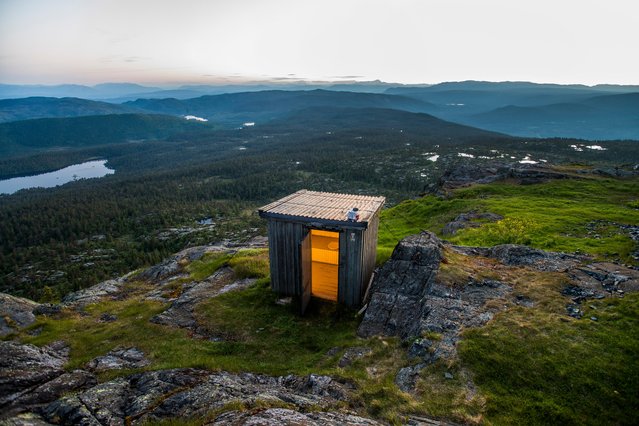
This restroom on the rubbly flanks of Jonsknuten in Norway looks up at the peak of the 904m mountain. Yu have to leave the door open to enjoy the view but the chances of being disturbed are minimal. (Photo by Olaf Menz/Lonely Planet)

This restroom on the rubbly flanks of Jonsknuten in Norway looks up at the peak of the 904m mountain. Yu have to leave the door open to enjoy the view but the chances of being disturbed are minimal. (Photo by Olaf Menz/Lonely Planet)
Details
13 Apr 2016 09:00:00
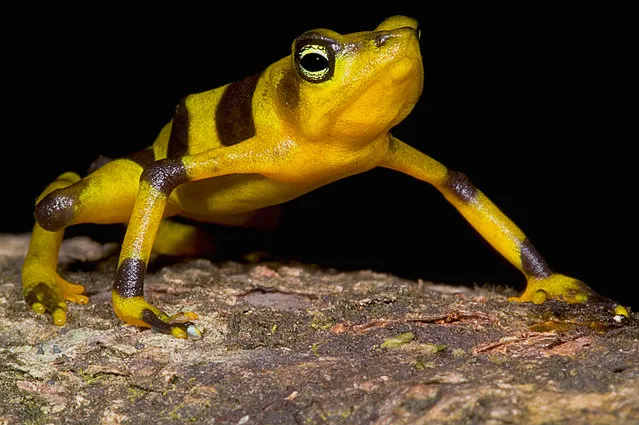
The golden harlequin toad has vanished from the wild, and only a small number live on in captivity. A fungus caused them, and many other amphibians, to die out in their home in Central America. (Photo by Danté Fenolio/The Guardian/Johns Hopkins University Press)

Wildlife photographer Danté Fenolio has headed into areas untouched by sunlight – deep seas, caves and underground – and found creatures that are exploding with colour. Here: The golden harlequin toad has vanished from the wild, and only a small number live on in captivity. A fungus caused them, and many other amphibians, to die out in their home in Central America. (Photo by Danté Fenolio/The Guardian/Johns Hopkins University Press)

Details
20 Jun 2016 12:19:00
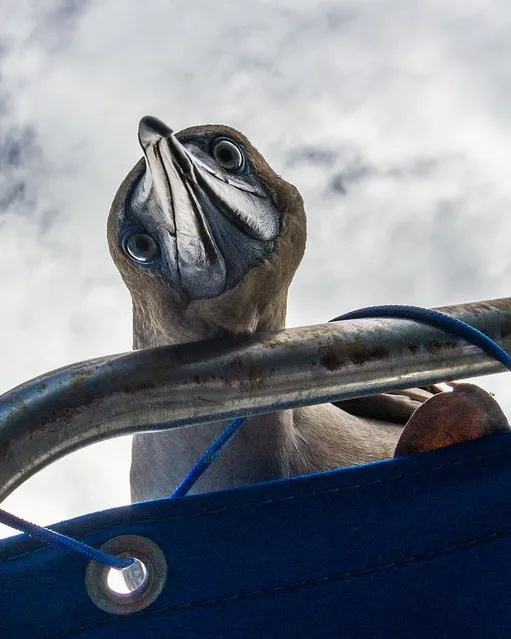
“Close-up. We had a juvenile Red-Footed Booby come visit us on the sun deck. I got some closeups with my ultrawide 11-16mm Tokina”. (Photo by Carl Fredrickson)

Situated in the Pacific Ocean some 620 miles (1,000 km) from the South American continent, these 19 islands and the surrounding marine reserve have been called a unique “living museum and showcase of evolution”. Photo: “Close-up. We had a juvenile Red-Footed Booby come visit us on the sun deck. I got some closeups with my ultrawide 11-16mm Tokina”. (Photo by Carl Fredrickson)
Details
04 Sep 2013 11:49:00
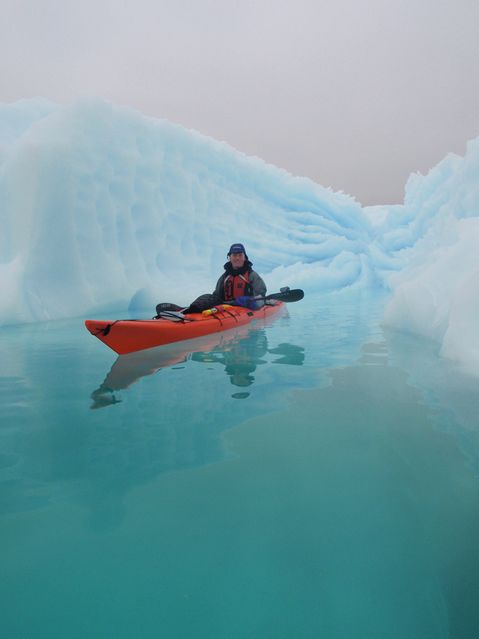
Chasing Ice in Greenland

The Greenland ice sheet is a vast body of ice covering 660,235 sq miles, roughly 80% of the surface of Greenland. It is the second largest ice body in the world, after the Antarctic Ice Sheet. Some scientists predict that climate change may be near a "tipping point" where the entire ice sheet will melt in about 2000 years. If the entire 2,850,000 cubic kilometres (683,751 cu mi) of ice were to melt, it would lead to a global sea level rise of 7.2 m (23.6 ft).
Details
30 Apr 2014 13:15:00