Loading...
Done
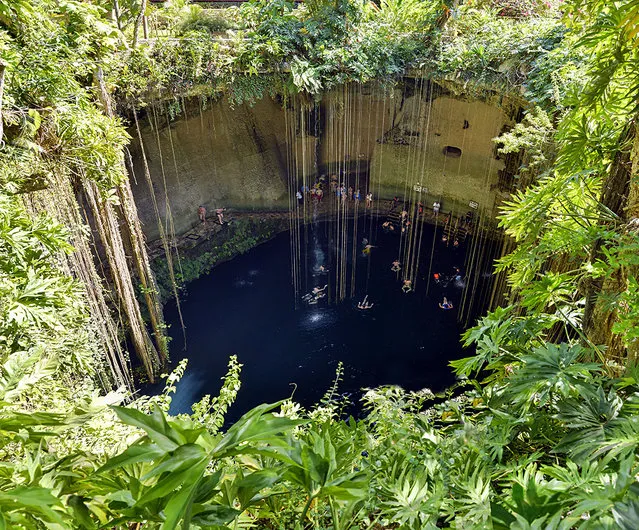
Cenote In Mexico

A cenote is a natural phenomenon, a sinkhole in the Earth’s surface. The Yucatan Peninsula in Mexico has an estimated 7,000 cenotes because it is primarily made up of porous limestone. For millions of years, rainfall slowly ate away at the limestone and a huge system of underground caves and caverns was formed. Many filled with water from rain or from the underground water table. When the roof of a water filled cave collapses, a cenote is born. The water found in a cenote may be fresh water, salt water, or both. Structurally it may be completely open, like a lake, almost completely closed with just a small opening at the top, or somewhere in between.
Details
06 Oct 2013 09:45:00
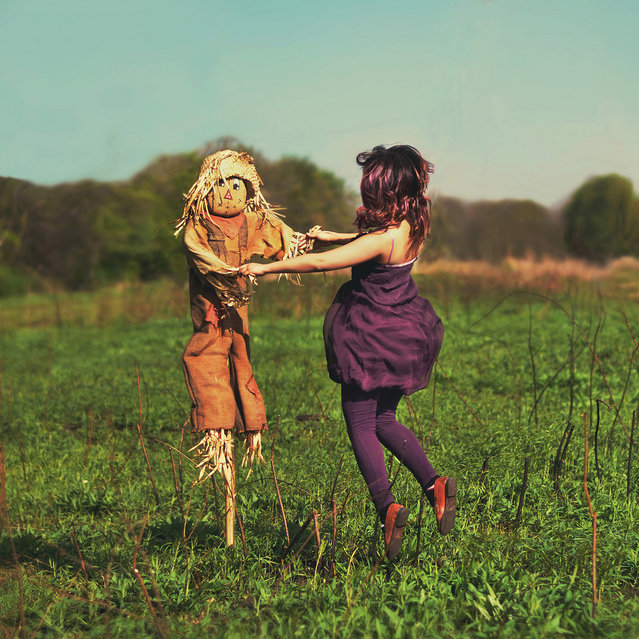
If I Only Had a Brain (365 project). (Glenda Lissette)

We received intriguing letter: “Hello! My name is Glenda Lissette, I am an 18 year old photographer from Chicago, IL. I produce surreal and conceptual photographs. I am currently working on a project where I take a photo a day for an entire year”. Well, let's look!

Photo: “If I Only Had a Brain” (365 project). (Photo by Glenda Lissette)


Details
20 Nov 2012 11:55:00


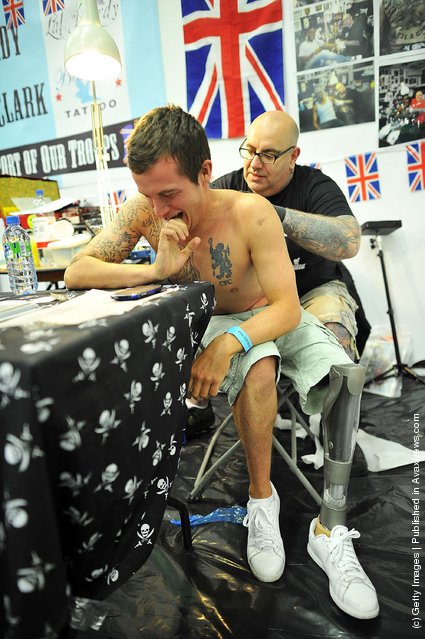
Shephen Shine, 27, who lost a leg when serving in Iraq in 2007, is tattood with a regimental tattoo reading “Their Sacrifice – Our Freedom” during the Ink For Heroes event on June 18, 2011 in Catterick, England. Ink For Heroes is a charity event to raise money and awareness of the soldiers that get injured during service, with all proceeds going to both “Help The Heroes” and “The British Legion”. Injured soldiers can also get tattooed for free during the event. (Photo by Bethany Clarke/Getty Images)
Details
19 Jun 2011 09:36:00


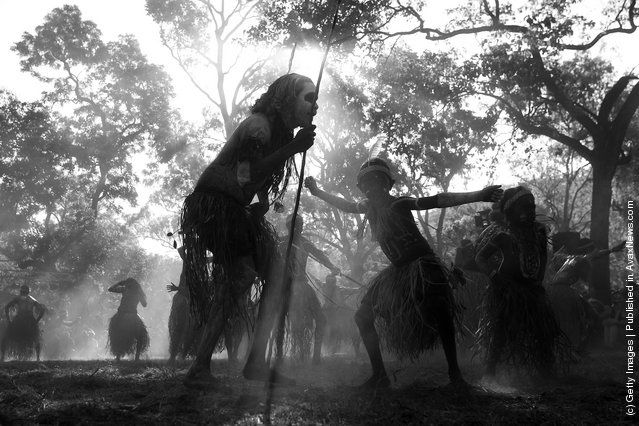
Dancers from the Yarrabah community perform during the Laura Aboriginal Dance Festival on June 18, 2011 in Laura, Australia. The Laura Aboriginal Dance Festival is a celebration of aboriginal dance and culture that takes place Biennially in Cape York Peninsula at the site of a traditional Bora ground that is sacred to the aboriginal community and surrounded by some of the oldest rock art in the world. Over 5000 visitors attend the festival, offering a unique insight into the community and providing an opportunity to spread cultural traditions to new generations. The festival takes place June 17-19. (Photo by Mark Kolbe/Getty Images for Tourism Queensland)
Details
22 Jun 2011 11:10:00
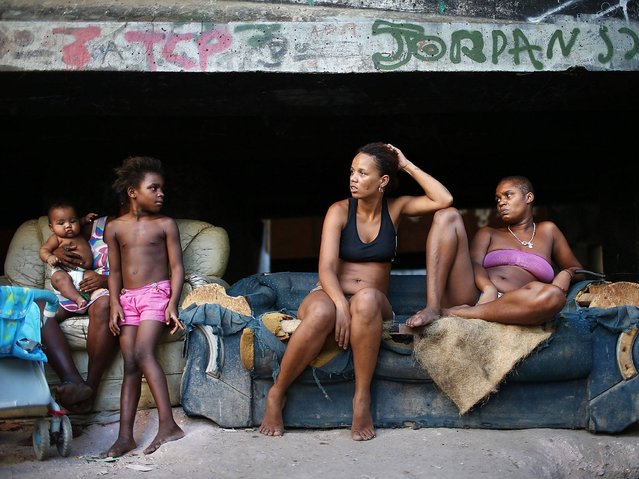
Residents (R to L) Luiza, Janubie, Leiticia and Lucas sit beneath an overpass near their houses in an impoverished area in the unpacified Complexo da Mare slum complex, one of the largest “favela” complexes in Rio de Janeiro. (Photo by Mario Tama/Getty Images)

Residents (R to L) Luiza, Janubie, Leiticia and Lucas sit beneath an overpass near their houses in an impoverished area in the unpacified Complexo da Mare slum complex, one of the largest “favela” complexes in Rio, on March 18, 2014 in Rio de Janeiro, Brazil. (Photo by Mario Tama/Getty Images)
Details
21 Mar 2014 06:07:00
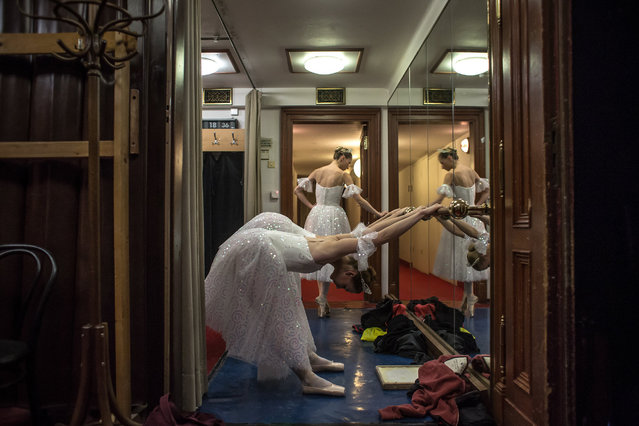
Dancers of the Czech National Ballet warm up backstage during a performance of “The Nutcracker – A Christmas Carol” at the National Theatre in Prague, Czech Republic, late 16 December 2017. (Photo by Martin Divisek/EPA/EFE)

Dancers of the Czech National Ballet warm up backstage during a performance of “The Nutcracker – A Christmas Carol” at the National Theatre in Prague, Czech Republic, late 16 December 2017. Peter I. Tchaikovsky's “The Nutcracker”, one of his most famous compositions and seasonal ballets, premiered in St. Petersburg, Russia, on 18 December 1872, celebrates its 125th anniversary this year. (Photo by Martin Divisek/EPA/EFE)
Details
20 Dec 2017 07:04:00
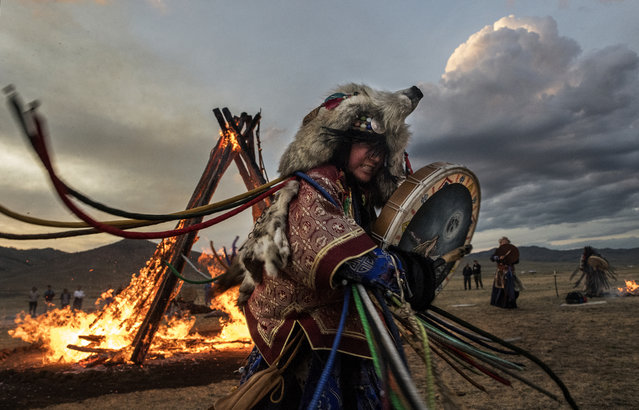
A Mongolian Shamaness or Buu, beats her drum while taking part with others in a fire ritual meant to summon spirits to mark the period of the Summer Solstice in the grasslands on June 22, 2018 outside Ulaanbaatar, Mongolia. (Photo by Kevin Frayer/Getty Images)

A Mongolian Shamaness or Buu, beats her drum while taking part with others in a fire ritual meant to summon spirits to mark the period of the Summer Solstice in the grasslands on June 22, 2018 outside Ulaanbaatar, Mongolia. Banned for 70 years under Communist rule, shamanism has seen a resurgence in Mongolia since 1992, when the ancient practice became protected by the country's Constitution. Known as Tengrism, in which Shamans channel ancestral spirits, it is widely regarded as Mongolia's national religion and part of its indigenous identity. (Photo by Kevin Frayer/Getty Images)
Details
30 Jun 2018 00:05:00
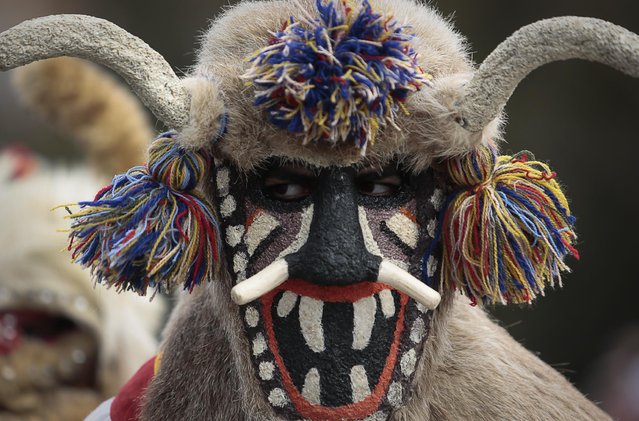
A masked Bulgarian dancer takes part in the second competition day of the 24th International Festival of Masquerade Games “Surva” in the town of Pernik, Bulgaria Saturday, January 31, 2015. (Photo by Valentina Petrova/AP Photo)

A masked Bulgarian dancer takes part in the second competition day of the 24th International Festival of Masquerade Games “Surva” in the town of Pernik, Bulgaria Saturday, January 31, 2015. Some 5,000 people are expected to take part in the three-day festival devoted to an ancient Bulgarian pagan rite. Surva is performed by costumed men, some in sheepskin, or other colorful garments, bells and masks, who walk around and dance to scare away the evil spirits, in hope to provide a good harvest, health, fertility, and happiness. (Photo by Valentina Petrova/AP Photo)
Details
01 Feb 2015 11:14:00