Loading...
Done
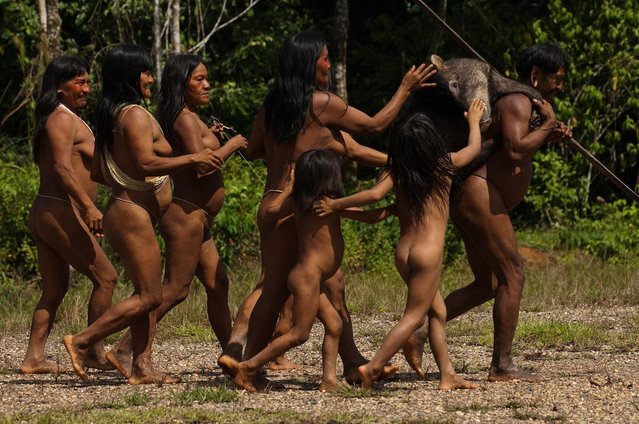
Spectacular images offering insight into the lives of the Huaorani people in the Ecuadorian Amazon have been revealed showing how they use traditional methods to hunt monkeys for food. The stunning pictures were taken by conservation photographer Pete Oxford from Torquay, Devon in the Ecuadorian Amazon. “The Huaorani Indians are a forest people highly in tune with their environment. Many are now totally acculturated since the 1950s by missionaries”, said Pete. “Today they face radical change to their culture to the proximity of oil exploration within their territory and the Yasuni National Park and Biosphere Reserve, they are vastly changed. Some still live very traditionally and for this shoot, through my Huaorani friend, a direct relative of those photographed he wanted to depict them as close to their original culture as possible. They still largely hunt with blow pipes and spears eating a lot of monkeys and peccaries”. The Huaorani are also known as the Waorani, Waodani or the Waos and are native Amerindians. Their lands are located between the Curaray and Napo rivers and speak the Huaorani language. Pete says that during his visit he was welcomed into the group and hopes that ancient cultures can be saved. Here: The tribe were seen celebrating after a hunter returned to camp with a wild pig. (Photo by Pete Oxford/Mediadrumworld.com)

Spectacular images offering insight into the lives of the Huaorani people in the Ecuadorian Amazon have been revealed showing how they use traditional methods to hunt monkeys for food. The stunning pictures were taken by conservation photographer Pete Oxford from Torquay, Devon in the Ecuadorian Amazon. Here: The tribe were seen celebrating after a hunter returned to camp with a wild pig. (Photo by Pete Oxford/Mediadrumworld.com)
Details
20 Jan 2017 07:58:00
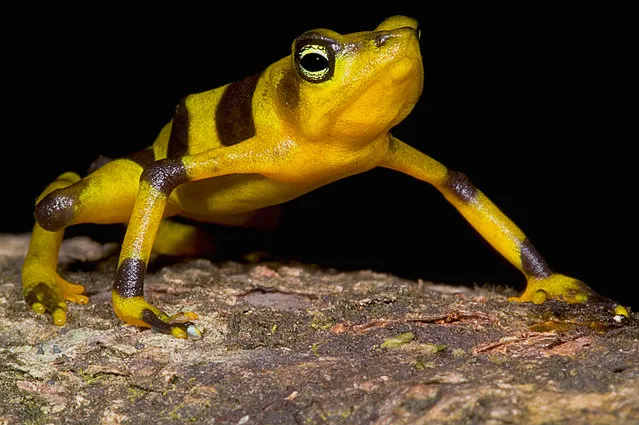
The golden harlequin toad has vanished from the wild, and only a small number live on in captivity. A fungus caused them, and many other amphibians, to die out in their home in Central America. (Photo by Danté Fenolio/The Guardian/Johns Hopkins University Press)

Wildlife photographer Danté Fenolio has headed into areas untouched by sunlight – deep seas, caves and underground – and found creatures that are exploding with colour. Here: The golden harlequin toad has vanished from the wild, and only a small number live on in captivity. A fungus caused them, and many other amphibians, to die out in their home in Central America. (Photo by Danté Fenolio/The Guardian/Johns Hopkins University Press)
Details
20 Jun 2016 12:19:00
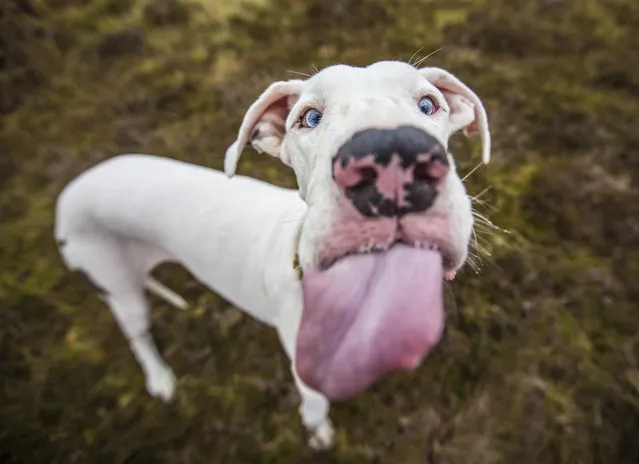
Tillie. (Photo by CatsDog Photography/Caters News Agency)

These photos were snapped at just the right moment – leading to some truly unusual images. Some of the pups are sticking out their tongue, while others are just looking at the camera – and the results are hilarious. Cat Race, 33, a dog photographer from Preston, Lancashire, in the U.K., captured the funny moments in the northwest of England over the past two years. Here: Tillie. (Photo by CatsDog Photography/Caters News Agency)
Details
30 Oct 2019 00:05:00
Dance floor atmosphere at the Daily Front Row's Fashion Media Awards – After Party at The Wooly on September 8, 2017 in New York City. (Photo by Paul Morigi/Getty Images)

Dance floor atmosphere at the Daily Front Row's Fashion Media Awards – After Party at The Wooly on September 8, 2017 in New York City. (Photo by Paul Morigi/Getty Images)
Details
10 Sep 2017 07:48:00
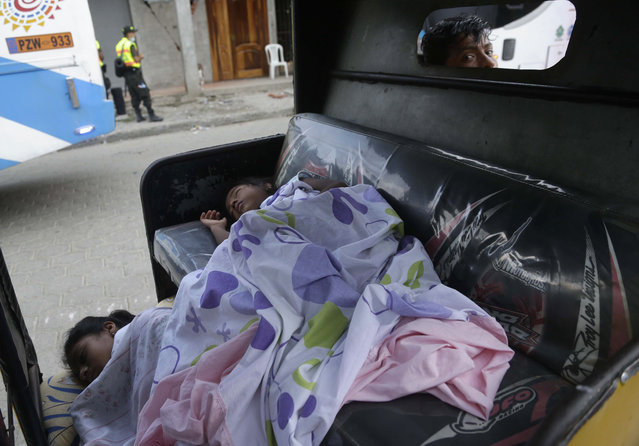
Girls sleep in the back of their father's moto-taxi as he watches them from the front seat, days after an earthquake in Pedernales, Ecuador, Wednesday, April 20, 2016. A fresh tremor rattled Ecuador before dawn Wednesday, a magnitude-6.1 jolt that set babies crying and shaken residents pouring once again into the streets, fearful of yet more damage following a monster earthquake over the weekend. (Photo by Dolores Ochoa/AP Photo)

Girls sleep in the back of their father's moto-taxi as he watches them from the front seat, days after an earthquake in Pedernales, Ecuador, Wednesday, April 20, 2016. A fresh tremor rattled Ecuador before dawn Wednesday, a magnitude-6.1 jolt that set babies crying and shaken residents pouring once again into the streets, fearful of yet more damage following a monster earthquake over the weekend. (Photo by Dolores Ochoa/AP Photo)
Details
21 Apr 2016 12:02:00
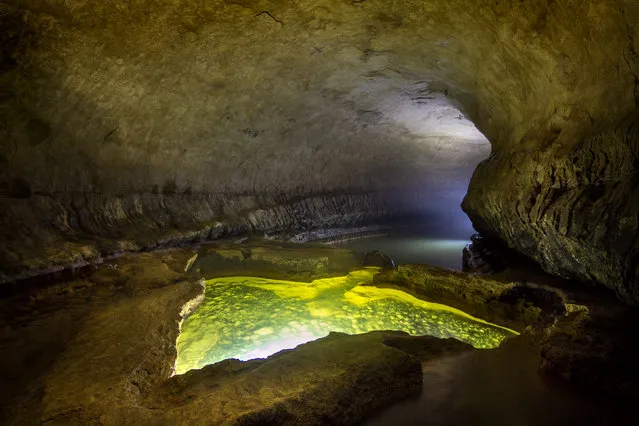
A large pool of water inside one of the tunnels. (Photo by Vladimir Mulde/Caters News)

These otherworldly images give a rare glimpse inside caves barely ever seen by the human eye. With its peculiar pools of water and strange colored sediments, the bizarre looking tunnels of the Shakuranskaya cave could be a set straight out of a science fiction film. Found in the disputed region of Abkhazia, around 75 miles outside of Sochi, Russia, it is rumored the incredible underground chambers were formed after a huge earthquake struck the area in 1892. After causing part of a nearby mountain to collapse into the Amtkel River, it is thought the dam-like affect has created a series of interconnecting underground tunnels. Here: a large pool of water inside one of the tunnels. (Photo by Vladimir Mulde/Caters News)
Details
07 Nov 2014 12:45:00
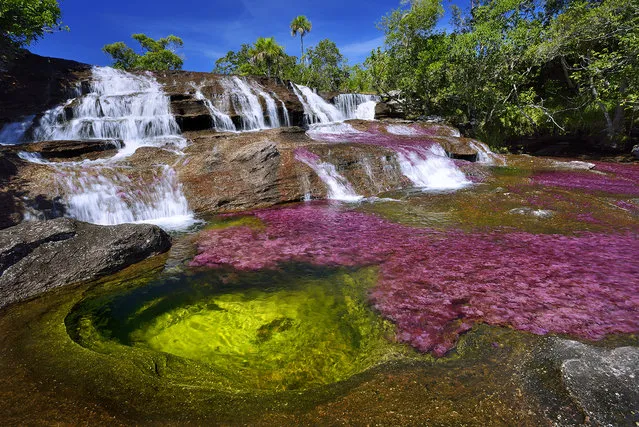
A waterfall is seen at the end of the rainy season, in August, when the water level finally decreases, in the Cano Cristales RIver in the Sierra de la Macarena in Colombia. It has become covered with a bright pink endemic aquatic plant, Macarenia Clavigera. (Photo by Olivier Grunewald)

“El rio mas bonito del Mundo”, the most beautiful river of the world, the “River of five colors”, the “Rainbow River”, or even the “Escaped from Paradise”, are the shimmering appellations that Colombians give to Cano Cristales, a small stream located in the heart of the Macarena National Park, 150 km (93 miles) south of Bogota. Photo: A waterfall is seen at the end of the rainy season, in August, when the water level finally decreases, in the Cano Cristales RIver in the Sierra de la Macarena in Colombia. It has become covered with a bright pink endemic aquatic plant, Macarenia Clavigera. (Photo by Olivier Grunewald)
Details
25 Mar 2014 15:15:00
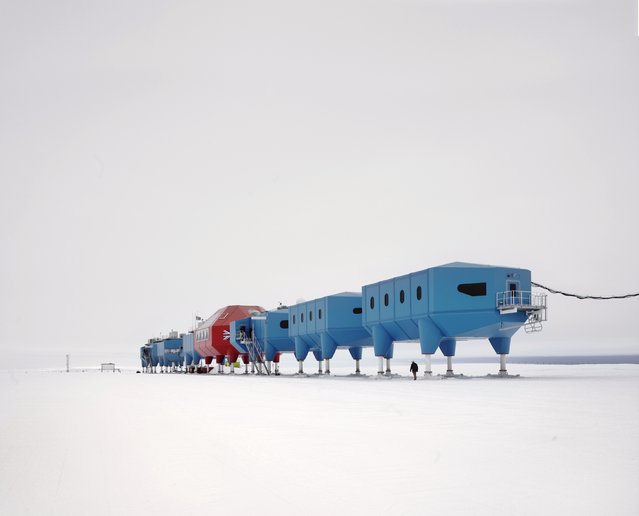
Undated handout photo issued by World Architecture Festival 2013 of The Halley VI centre designed by British architects Hugh Broughton in Antarctica which is a dismantlable research station created in the icy wastes for the British Antarctic Survey and has been shortlisted for a global architecture award. (Photo by World Architecture Festival 2013/PA Wire)

Undated handout photo issued by World Architecture Festival 2013 of The Halley VI centre designed by British architects Hugh Broughton in Antarctica which is a dismantlable research station created in the icy wastes for the British Antarctic Survey and has been shortlisted for a global architecture award. (Photo by World Architecture Festival 2013/PA Wire)
Details
01 Sep 2013 06:45:00