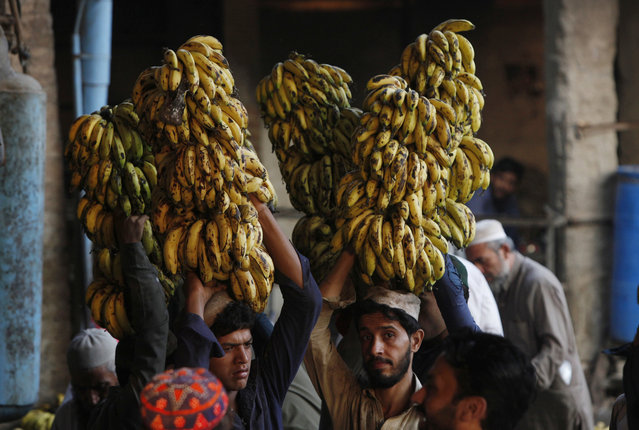
In this Wednesday, September 12, 2018, file photo, vendors carry banana on their heads at a fruit and vegetable market in Peshawar, Pakistan. Pakistan says it will seek a bailout loan from the International Monetary Fund to address a mounting balance of payments crisis, Finance Minister Asad Umar said Monday. (Photo by Muhammad Sajjad/AP Photo)
In this photo taken Saturday, September 23, 2017, a mouse is cooked on a fire after being caught in a cornfield in Chidza, Masvingo Province, Zimbabwe. Considered a delicacy, the field mice are hunted in cornfields where they have grown plump on the grains, grass and wild fruits. (Photo by Tsvangirayi Mukwazhi/AP Photo)
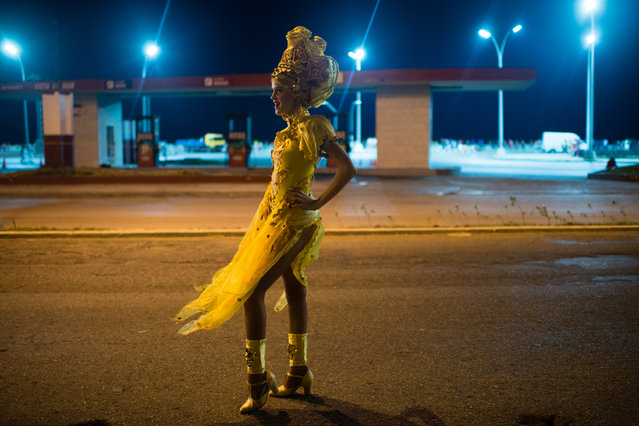
Yakelin Hernandez, 18, poses for a photograph near The Malecon where The Carnival was held, on August 14, 2015. Colorful costumes, dancing, parades and street parties on the Malecon in Havana, Cuba are all part of Havana Carnival 2015 which was held in August. (Photo by Sarah L. Voisin/The Washington Post)
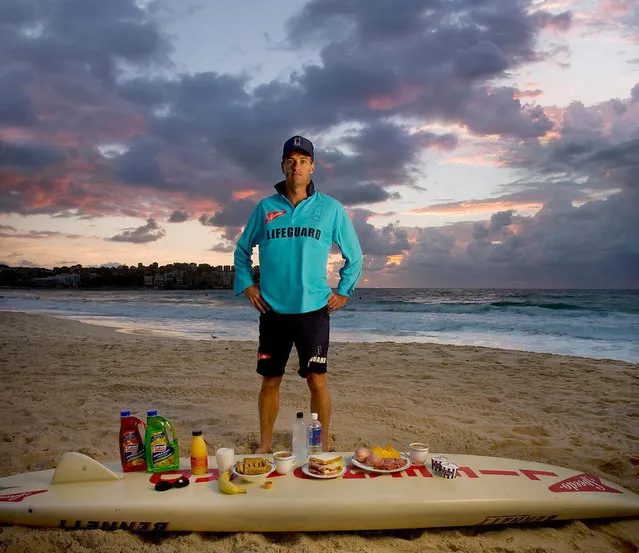
A stunning photographic collection featuring portraits of people from 30 countries and the food they eat in one day. In this fascinating study of people and their diets, 80 profiles are organized by the total number of calories each person puts away in a day. Featuring a Japanese sumo wrestler, a Massai herdswoman, world-renowned Spanish chef Ferran Adria, an American competitive eater, and more, these compulsively readable personal stories also include demographic particulars, including age, activity level, height, and weight. Essays from Harvard primatologist Richard Wrangham, journalist Michael Pollan, and others discuss the implications of our modern diets for our health and for the planet. This compelling blend of photography and investigative reportage expands our understanding of the complex relationships among individuals, culture, and food.
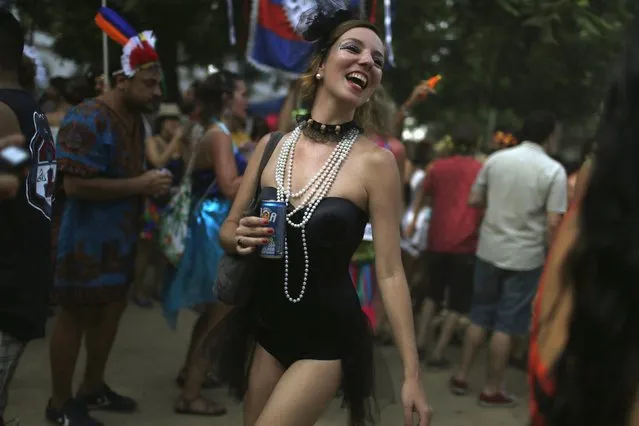
A reveller takes part in an annual block party known as “Cordao de Prata Preta”, one of the many carnival parties to take place in the neighbourhoods of Rio de Janeiro, February 6, 2016. (Photo by Pilar Olivares/Reuters)
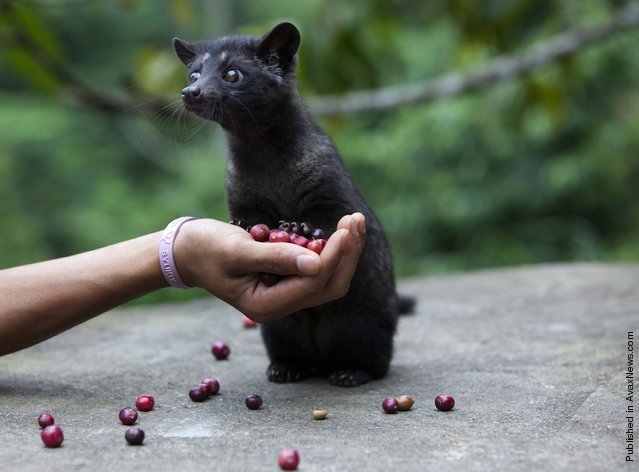
“Kopi luwak (Malay pronunciation), or civet coffee, is one of the world's most expensive and low-production coffee. It is made from the beans of coffee berries which have been eaten by the Asian Palm Civet (Paradoxurus hermaphroditus) and other related civets, then passed through its digestive tract. ...
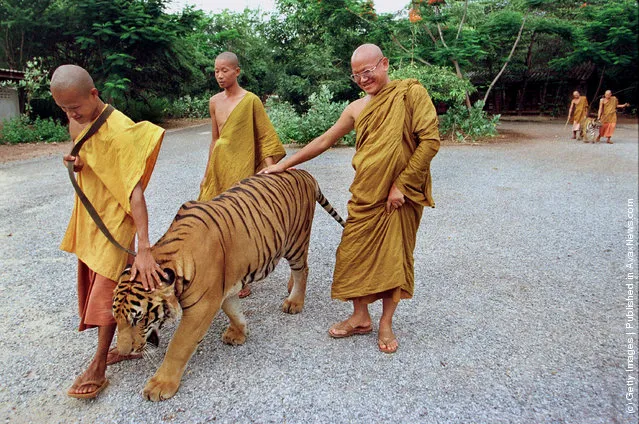
Monks take a tiger out of its cage for an afternoon walk June 5, 2001 at the Wat Pa Luangta Bua monastery in Kanchanaburi, Thailand. (Photo by Paula Bronstein/Getty Images)