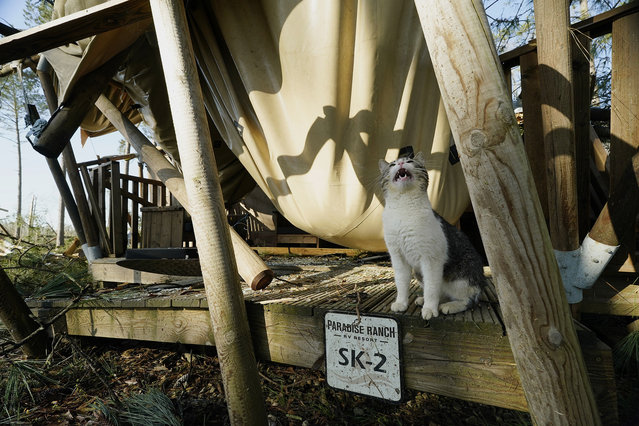
A cat cries out while sitting before a destroyed cabin from a tornado at Paradise Ranch RV Resort in Tylertown, Miss., Sunday, March 16, 2025. (Photo by Rogelio V. Solis/AP Photo)
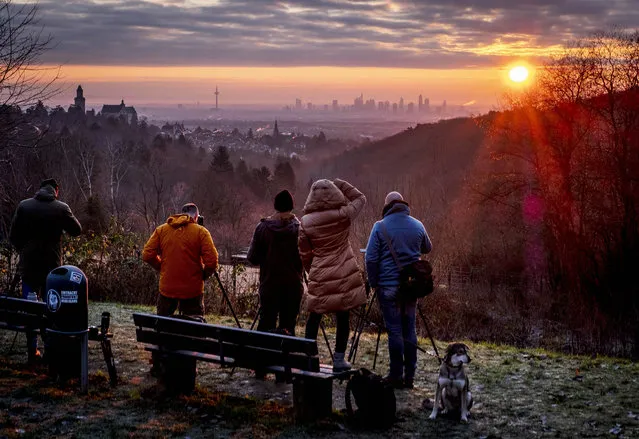
People take pictures of the sun rising next to the buildings of the banking district in Frankfurt, Germany, Saturday, December 28, 2019. (Photo by Michael Probst/AP Photo)
An Indian girl smiles under a water splash at a water park as the temperatures reached 38 degree Celsius in Calcutta, eastern India, 12 June 2016. The summer or pre-monsoon season lasts from March to July in eastern India with the highest day temperatures ranging from 38 to 45 degrees Celsius. (Photo by Piyal Adhikary/EPA)
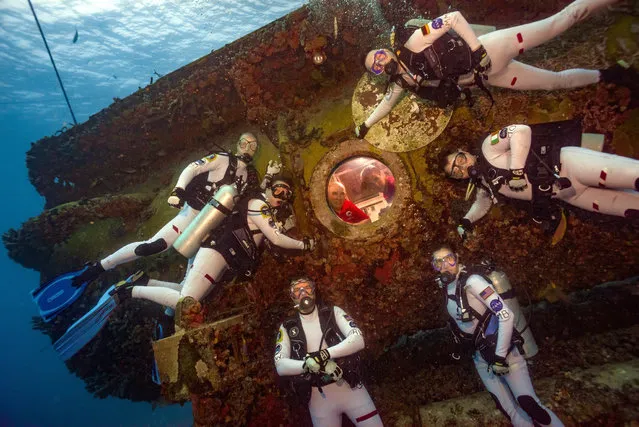
The NASA Extreme Environment Mission Operations (NEEMO) 21 mission began on July 21 as an international crew of aquanauts splashed down to the undersea Aquarius Reef Base, located 62 feet below the surface of the Atlantic Ocean in the Florida Keys National Marine Sanctuary. The NEEMO 21 crew will perform research both inside and outside the habitat during a 16-day simulated space mission. During simulated spacewalks carried out underwater, they will evaluate tools and mission operation techniques that could be used in future space missions, including journeys to Mars. (Photo by Karl Shreeves/NASA)
Vehicles move past a man resting on a taxi, as he waits for passengers, along a road in Karachi, Pakistan, May 5, 2015. (Photo by Akhtar Soomro/Reuters)
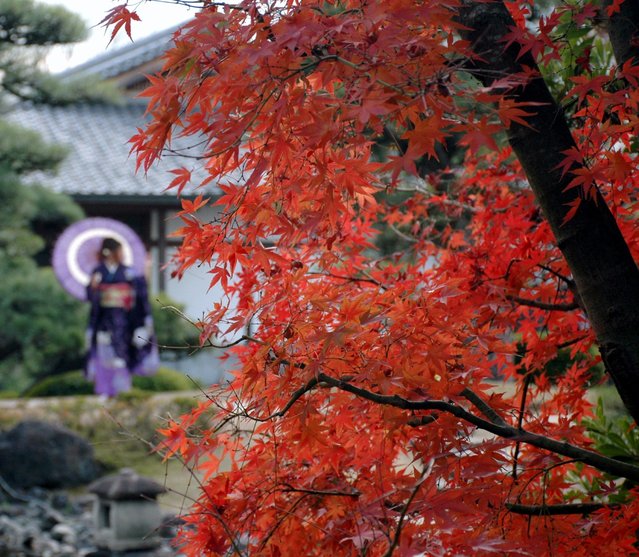
“Touring the Koko-en Gardens adjacent to the Himeji castle was an unexpected highlight of our visit”, wrote Jeff Solar, 64, of Silver Spring, Md., about his trip to Japan. “The fall colors were outstanding and the gardens were both amazing and a bargain (just a few Yen added to the cost of the Himeji Castle admission)”. (Photo by Jeff Solar/2017 Washington Post Travel Photo Contest)
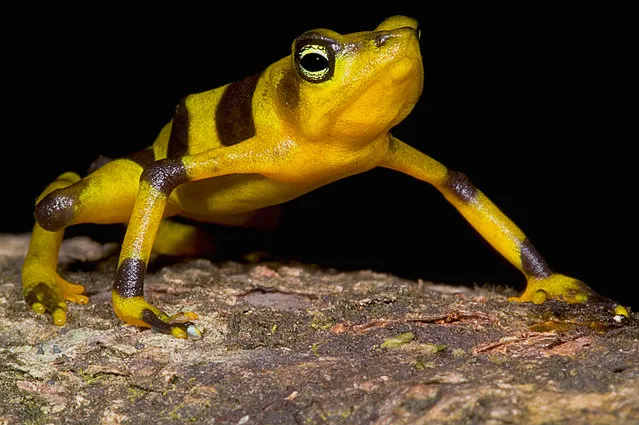
Wildlife photographer Danté Fenolio has headed into areas untouched by sunlight – deep seas, caves and underground – and found creatures that are exploding with colour. Here: The golden harlequin toad has vanished from the wild, and only a small number live on in captivity. A fungus caused them, and many other amphibians, to die out in their home in Central America. (Photo by Danté Fenolio/The Guardian/Johns Hopkins University Press)