Loading...
Done
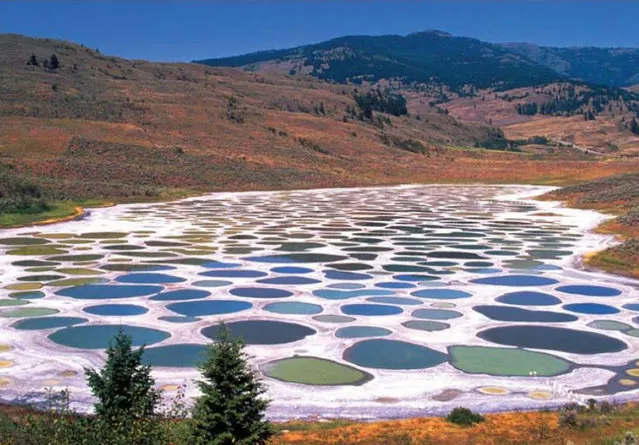
Kliluk, the Spotted Lake, Canada

Originally known to the First Nations of the Okanagan Valley as Khiluk, which was- and remains today revered as a sacred site producing therapeutic waters. During World War I the minerals of Spotted Lake were used in manufacturing ammunition. Later the area came under the control of the Ernest Smith Family, for a term of about 40 years. In 1979 Smith attempted to create interest in a spa at the lake. The First Nations responded with an effort to buy the lake; in October 2001 they finally struck a deal. First Nations arranged the purchase of 22 hectares of land for a total of $720,000, and contributed about 20% of the cost. The Indian Affairs Department paid the remainder.
Details
06 Mar 2015 12:59:00
The Archerfish

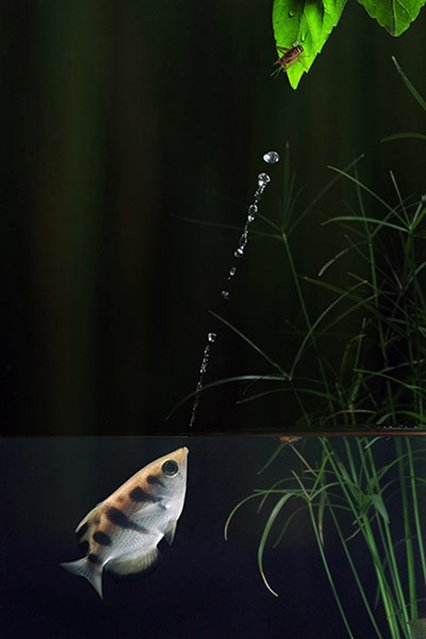
The archerfish (spinner fish or archer fish) are a family (Toxotidae) of fish known for their habit of preying on land based insects and other small animals by literally shooting them down with water droplets from their specialized mouths. The family is small, consisting of seven species in the genus Toxotes; which typically inhabit brackish waters of estuaries and mangroves, but can also be found in the open ocean as well as far upstream in fresh water They can be found from India to the Philippines, Australia, and Polynesia.
Details
21 Nov 2012 12:54:00
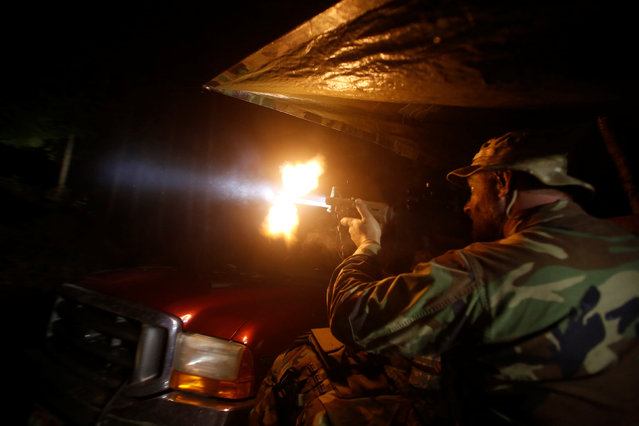
Members of the Oath Keepers and general public return fire during a simulated attack as they take part in a tactical training session in northern Idaho, U.S. October 1, 2016. (Photo by Jim Urquhart/Reuters)

Members of the Oath Keepers and general public return fire during a simulated attack as they take part in a tactical training session in northern Idaho, U.S. October 1, 2016. In April 2015 Reuters photographer Jim Urquhart was assigned to cover the Oath Keepers during a tour of the Sugar Pine gold mine in Oregon after the group of former cops, military, firefighters and other first responders had risen to prominence during a standoff in Nevada over land rights. (Photo by Jim Urquhart/Reuters)
Details
05 Nov 2016 12:05:00


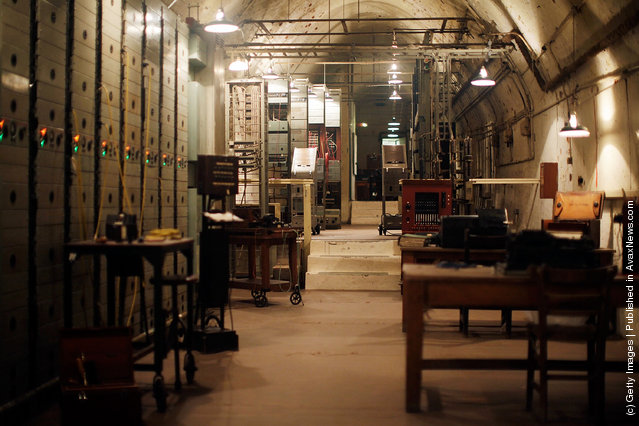
“Dover Castle is a medieval castle in the town of the same name in the English county of Kent. It was founded in the 12th century and has been described as the “Key to England” due to its defensive significance throughout history. It is the largest castle in England.

The outbreak of the Second World War in 1939 saw the tunnels converted first into an air-raid shelter and then later into a military command centre and underground hospital. In May 1940, Admiral Sir Bertram Ramsey directed the evacuation of French and British soldiers from Dunkirk, code-named Operation Dynamo, from his headquarters in the cliff tunnels”. – Wikipedia

Photo: The Repeater Station in the subterranean tunnels underneath Dover Castle, which has been restored by English Heritage for a public exhibition on June 3, 2011 in Dover, England. The evacuation of allied soldiers from Dunkirk was masterminded and co-ordinated from the secret command and control centre in the tunnels deep below the castle. (Photo by Matthew Lloyd/Getty Images)
Details
07 Jun 2011 09:26:00
Albertus in the church of St George in Burgrain, Germany. Incredibly, some of the skeletons, which took up to five years to decorate, were even found hidden away in lock-ups and containers. (Photo by Paul Koudounaris/BNPS)

A relic hunter dubbed “Indiana Bones” has lifted the lid on a macabre collection of 400-year-old jewel-encrusted skeletons unearthed in churches across Europe. Art historian Paul Koudounaris has hunted down and photographed dozens of gruesome skeletons in some of the world's most secretive religious establishments. Photo: Albertus in the church of St George in Burgrain, Germany. Incredibly, some of the skeletons, which took up to five years to decorate, were even found hidden away in lock-ups and containers. (Photo by Paul Koudounaris/BNPS)
Details
08 Sep 2013 07:20:00
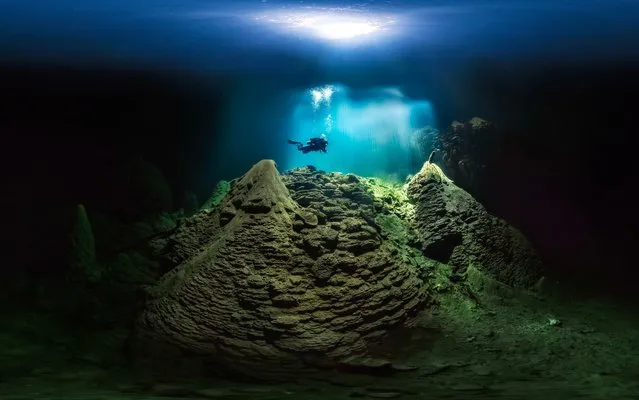
Cave Diver, Anhumas Abyss, Bonito, Brazil: The Anhumas Abyss is an underground cavern with a crystal-clear lake below, more than 260 feet (79 m) deep. A visitor must enter through a narrow opening at the top of the chamber and rappel into the cave. Snorkeling and scuba diving in the lake reveal amazing scenery. Distinctive, conical limestone stalagmites and stalactites occupy the lake and the surrounding area, some reaching 65 feet (20 m) high. “One must rappel about 235 feet (72 m) to get down into this deep lake. The photo was taken at a depth of 50 feet (15 m). It was a challenge to create the image because of the high contrast, plus the diver could not see into the darkness, making communication impossible”. (Photo by Marcio Cabral/Nature’s Best Photography Awards 2017)

Cave Diver, Anhumas Abyss, Bonito, Brazil: The Anhumas Abyss is an underground cavern with a crystal-clear lake below, more than 260 feet (79 m) deep. A visitor must enter through a narrow opening at the top of the chamber and rappel into the cave. Snorkeling and scuba diving in the lake reveal amazing scenery. Distinctive, conical limestone stalagmites and stalactites occupy the lake and the surrounding area, some reaching 65 feet (20 m) high. (Photo by Marcio Cabral/Nature’s Best Photography Awards 2017)
Details
26 Oct 2017 08:10:00
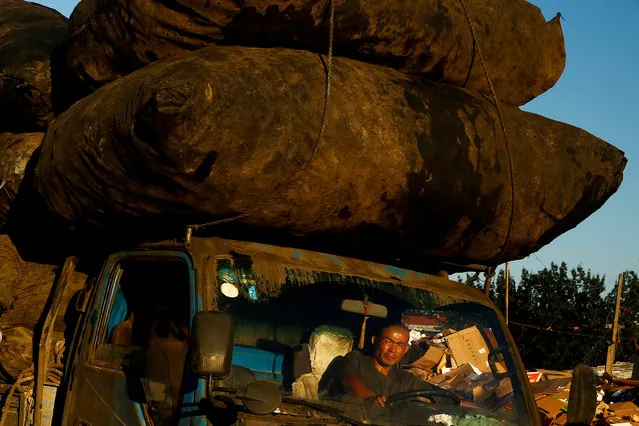
A driver steers a lorry laden with bags of plastic bottles across a recycling yard at the outskirts of Beijing, China, August 19, 2016. (Photo by Thomas Peter/Reuters)

A driver steers a lorry laden with bags of plastic bottles across a recycling yard at the outskirts of Beijing, China, August 19, 2016. As authorities try to control Beijing's burgeoning population and capitalize on skyrocketing land prices, scrap collectors say they are being pushed out despite playing a vital role in China's unique recycling ecosystem. (Photo by Thomas Peter/Reuters)
Details
26 Nov 2016 10:39:00
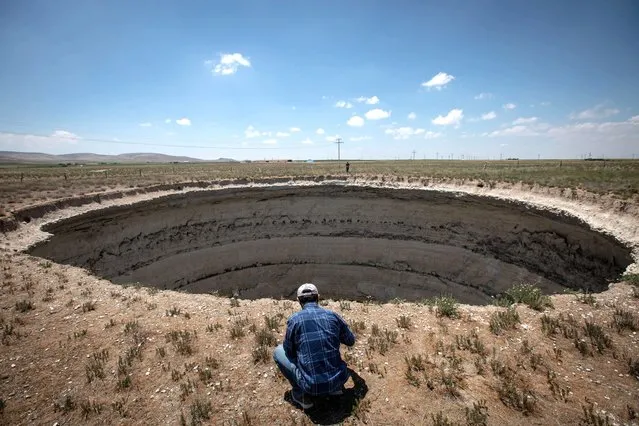
Geology Professor Fetullah Arik takes measurements next to a large sinkhole on June 03, 2021, in Karapinar, Turkey. (Photo by Chris McGrath/Getty Images)

Geology Professor Fetullah Arik takes measurements next to a large sinkhole on June 03, 2021, in Karapinar, Turkey. In Turkey’s Konya province, the heart of the country's agriculture sector, extreme drought conditions over the past two years are taking a heavy toll on farmers and the land. (Photo by Chris McGrath/Getty Images)
Details
15 Jun 2021 08:35:00