Loading...
Done
A woman holds newly designed Indonesia Rupiah banknotes after exchanging her old bills at a Bank Indonesia mobile bank in Jakarta, Indonesia December 19, 2016. (Photo by Fatima El-Kareem/Reuters)

A woman holds newly designed Indonesia Rupiah banknotes after exchanging her old bills at a Bank Indonesia mobile bank in Jakarta, Indonesia December 19, 2016. (Photo by Fatima El-Kareem/Reuters)
Details
14 Feb 2017 00:03:00
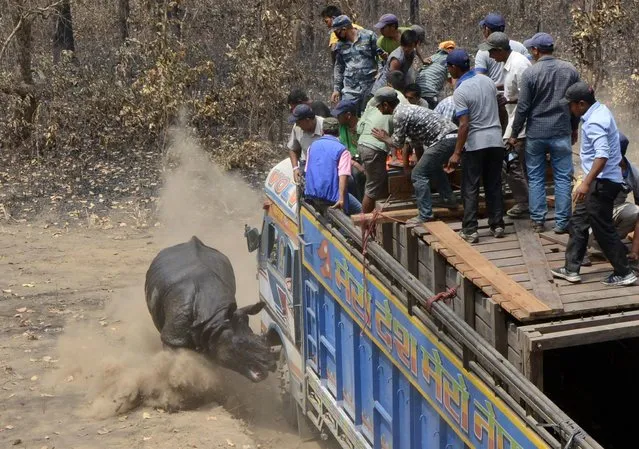
A Nepalese vetinary and technical team release a rhino after it is relocated in Chitwan National Park some of 250 Kilometer South of Kathmandu on April 4, 2017. Conservationists on April 3 captured a rare one-horned rhinoceros in Nepal as part of an attempt to increase the number of the vulnerable animals, which are prized by wildlife poachers. Five rhinos – one male and four female – will be released into a national park in Nepal's far west over the coming week in the hope of establishing a new breeding group. (Photo by Prakash Mathema/AFP Photo)

A Nepalese vetinary and technical team release a rhino after it is relocated in Chitwan National Park some of 250 Kilometer South of Kathmandu on April 4, 2017. Conservationists on April 3 captured a rare one-horned rhinoceros in Nepal as part of an attempt to increase the number of the vulnerable animals, which are prized by wildlife poachers. Five rhinos – one male and four female – will be released into a national park in Nepal's far west over the coming week in the hope of establishing a new breeding group. (Photo by Prakash Mathema/AFP Photo)
Details
05 Apr 2017 09:19:00
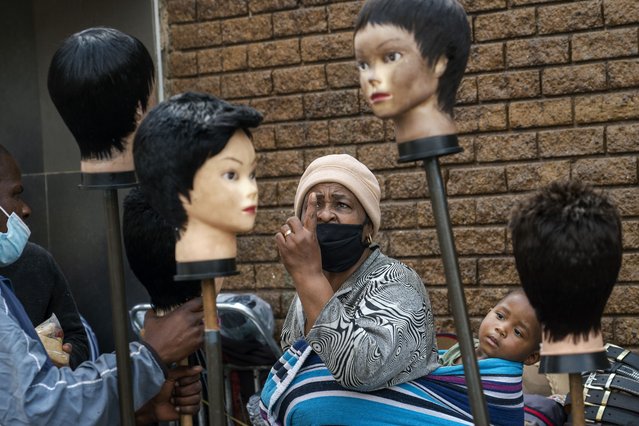
A woman carrying a child on her back looks at wigs on sale at the Baragwanath Taxi Rank in Soweto, South Africa, Wednesday, September 16, 2020. South African president Cyril Ramaphosa is scheduled to address the nation later in the day, as case numbers and death from COVID-19 hit the lowest in months. (Photo by Jerome Delay/AP Photo)

A woman carrying a child on her back looks at wigs on sale at the Baragwanath Taxi Rank in Soweto, South Africa, Wednesday, September 16, 2020. South African president Cyril Ramaphosa is scheduled to address the nation later in the day, as case numbers and death from COVID-19 hit the lowest in months. (Photo by Jerome Delay/AP Photo)
Details
24 Sep 2020 00:03:00
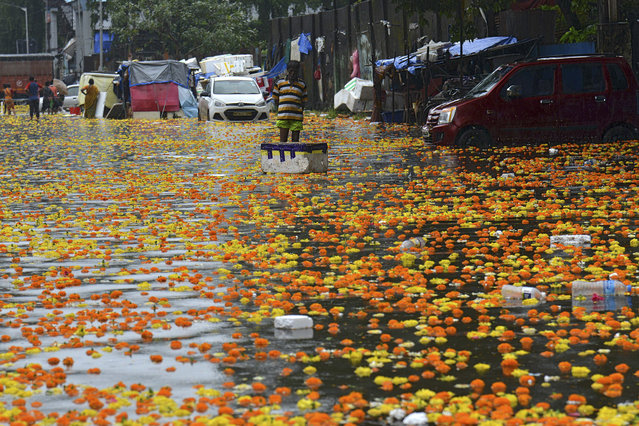
A vendor stands in a flooded flower market following heavy monsoon rains in Mumbai on September 23, 2020. (Photo by Sujit Jaiswal/AFP Photo)

A vendor stands in a flooded flower market following heavy monsoon rains in Mumbai on September 23, 2020. (Photo by Sujit Jaiswal/AFP Photo)
Details
30 Sep 2020 00:03:00
Things Cut in Half

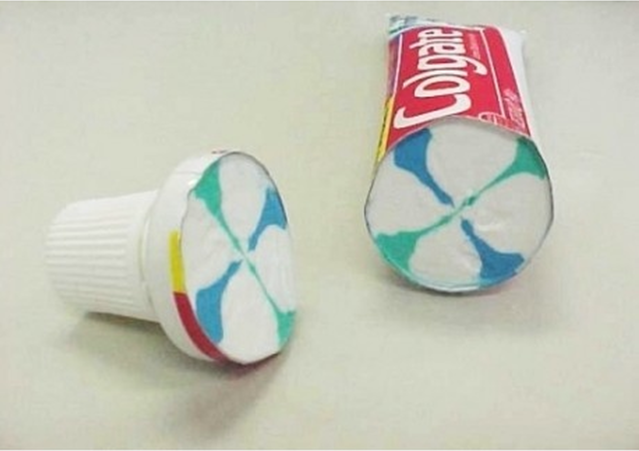
HalfPics is a Twitter feed pointing to things cut in half like a bowl of ramen, a Mini Cooper, and toothpaste. Their tagline: “Ever wonder what stuff looks like when it’s cut in half?” Yes. We previously posted about “Cut Food,” a photo series of foods cut neatly in half by food photographer Beth Galton and food stylist Charlotte Omnès.


See also:Things Cut in Half Part2
Details
07 Sep 2013 10:32:00
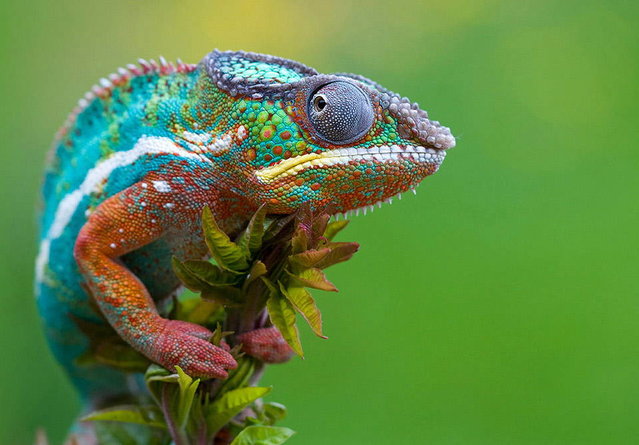
animals

Most beautiful pictures are those made in nature. Nothing compares with the expression of a tiger, the majestic flight of an eagle or the strength of a white bear. Below you can see 15 the most beautiful animal photographs that will capture your attention.
Details
01 Apr 2015 09:47:00
The Chocolate Train by Andrew Farrugia

A new Guinness World Record was recently set in Belgium by Maltese master chocolatier Andrew Farrugia, who unveiled the world's longest chocolate structure at Brussels Chocolate Week
.
Details
29 Nov 2012 09:38:00
Chernobyl

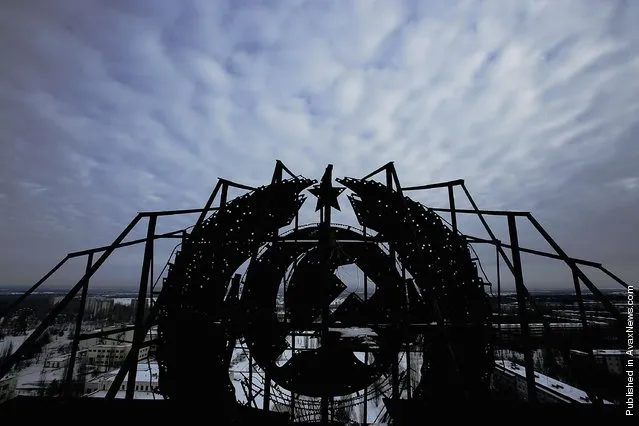
Scaffolding holding a remnant of the Soviet Union, the hammer and sickle, is seen on a rooftop of an abandoned building in the town of Pripyat on January 25, 2006 near Chernobyl, Ukraine. The town of Pripyat, deserted since the 1986 catastrophe, once housed 30,000 people, the majority of being workers from the Chernobyl Nuclear Power Plant. Days after the catastrophe the inhabitants were relocated to other locations in the Soviet Union. The town of Pripyat has remained uninhabited since. Prypyat and the surrounding area will not be safe for human habitation for several centuries. Scientists estimate that the most dangerous radioactive elements will take up to 900 years to decay sufficiently to render the area safe.

Details
14 Mar 2011 10:20:00