Loading...
Done
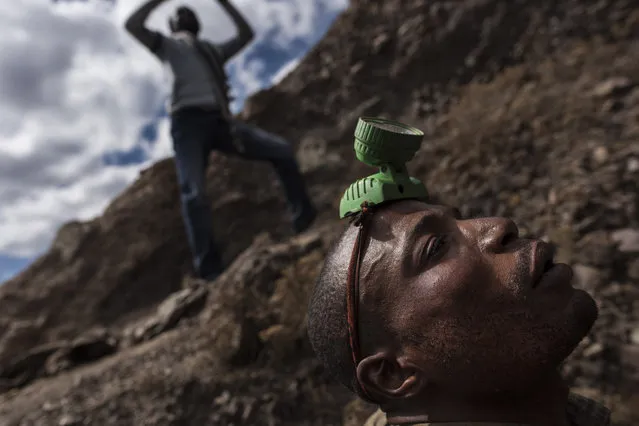
A “creuseur”, or digger, a plastic lantern on his head, readies to enter a copper and cobalt mine in Kawama, Democratic Republic of Congo on June 8, 2016. Cobalt is used in the batteries for electric cars and mobile phones. Working conditions are dangerous, often with no safety equipment or structural support for the tunnels. The diggers say they are paid on average US$2-3/day. (Photo by Michael Robinson Chavez/The Washington Post)

A “creuseur”, or digger, a plastic lantern on his head, readies to enter a copper and cobalt mine in Kawama, Democratic Republic of Congo on June 8, 2016. Cobalt is used in the batteries for electric cars and mobile phones. Working conditions are dangerous, often with no safety equipment or structural support for the tunnels. The diggers say they are paid on average US$2-3/day. (Photo by Michael Robinson Chavez/The Washington Post)
Details
30 Dec 2016 10:29:00
Britain's Last Battery Hen Is Released

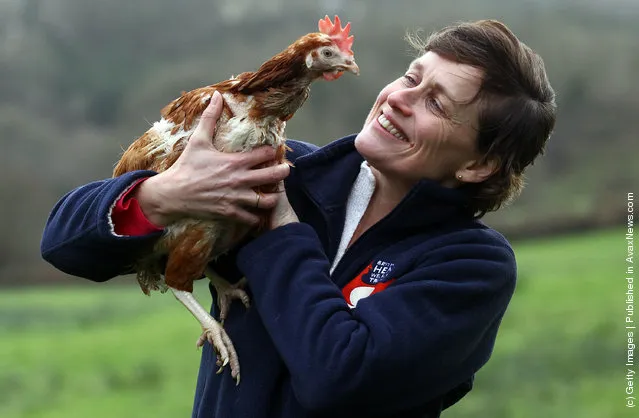
Jane Howorth from national charity the British Hen Welfare Trust holds Liberty the last ex-battery hen to be rehomed on December 29, 2011 in Chulmleigh, England. The rehoming of Liberty signifies the end of the small battery hen cage, which has been phased out and replaced by enriched cages in preparation of the European Union directive banning the smaller cages from January 1, 2012. (Photo by Matt Cardy/Getty Images)
Details
30 Dec 2011 11:20:00
Members of security forces secure Tahrir Square in Cairo, Egypt, November 11, 2016. Egypt imposed a big security clampdown in its cities on Friday as mass demonstrations called to protest against austerity measures failed to take place. Riot police and armored vehicles filled the otherwise empty streets of central Cairo, but most people stayed at home. President Abdel Fattah al-Sisi has urged Egyptians not to protest and warned that there would be no going back on economic reforms, no matter how much pain they might cause. (Photo by Mohamed Abd El Ghany/Reuters)

Members of security forces secure Tahrir Square in Cairo, Egypt, November 11, 2016. Egypt imposed a big security clampdown in its cities on Friday as mass demonstrations called to protest against austerity measures failed to take place. Riot police and armored vehicles filled the otherwise empty streets of central Cairo, but most people stayed at home. (Photo by Mohamed Abd El Ghany/Reuters)
Details
12 Nov 2016 10:06:00


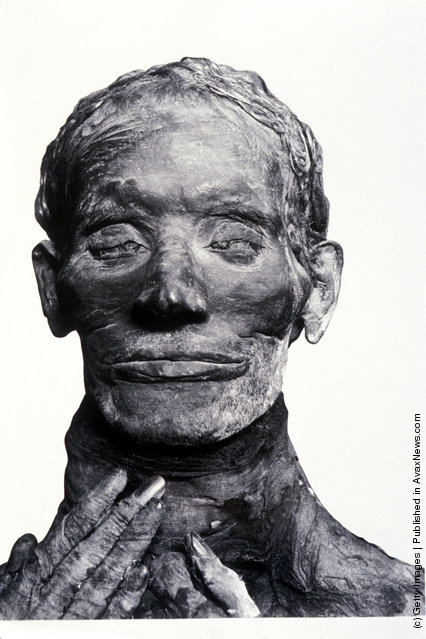
The mummy of Yuya thought by some to be Josua who, after Moses, led the Hebrews into the Promised land and logically would be the father-in-law of Amenophis III, at Cairo Museum, Egypt. (Photo by Patrick Landmann/Cairo Museum/Getty Images)
Details
22 Apr 2011 08:47:00
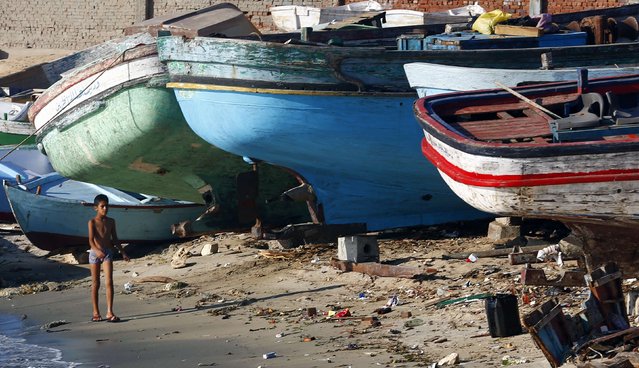
A boy walks past boats docked at the entrance gate of the fishermen's village in the El Max area of the Mediterranean city of Alexandria September 12, 2014.  El Max, where hundreds of boats dart through the canals, has been called the “Venice of Egypt” for its waterways and relaxed atmosphere. Its fishermen, however, worry about how they will make ends meet on meagre earnings they  say are being reduced further by polluted waters that are making fishing more difficult. (Photo by Amr Abdallah Dalsh/Reuters)

A boy walks past boats docked at the entrance gate of the fishermen's village in the El Max area of the Mediterranean city of Alexandria September 12, 2014. El Max, where hundreds of boats dart through the canals, has been called the “Venice of Egypt” for its waterways and relaxed atmosphere. Its fishermen, however, worry about how they will make ends meet on meagre earnings they say are being reduced further by polluted waters that are making fishing more difficult. While the government has tried to fix the state's bloated finances by cutting subsidies and reining in spending, some argue the reforms hurt Egypt's most vulnerable who have long relied on a generous system of fuel and food subsidies to supplement low incomes. (Photo by Amr Abdallah Dalsh/Reuters)
Details
12 Dec 2014 12:42:00
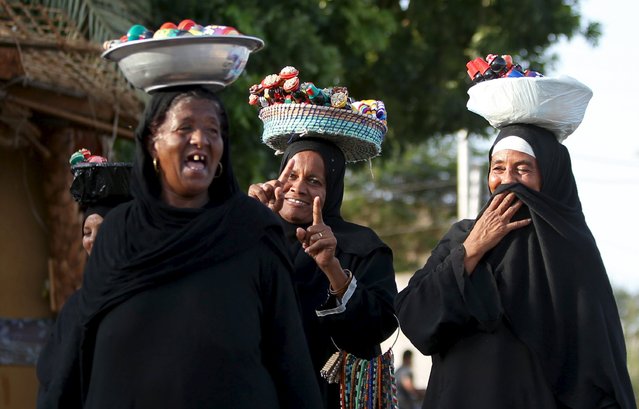
Nubian women sell traditional handicrafts at the Nubian Gharb Suheil village, near Aswan south of Egypt, October 1, 2015. For half a century, Egypt's Nubians have patiently lobbied the government in Cairo for a return to their homelands on the banks of the upper Nile, desperate to reclaim territory their ancestors first cultivated 3,000 years ago. (Photo by Mohamed Abd El Ghany/Reuters)

Nubian women sell traditional handicrafts at the Nubian Gharb Suheil village, near Aswan south of Egypt, October 1, 2015. For half a century, Egypt's Nubians have patiently lobbied the government in Cairo for a return to their homelands on the banks of the upper Nile, desperate to reclaim territory their ancestors first cultivated 3,000 years ago. (Photo by Mohamed Abd El Ghany/Reuters)
Details
19 Nov 2015 08:04:00
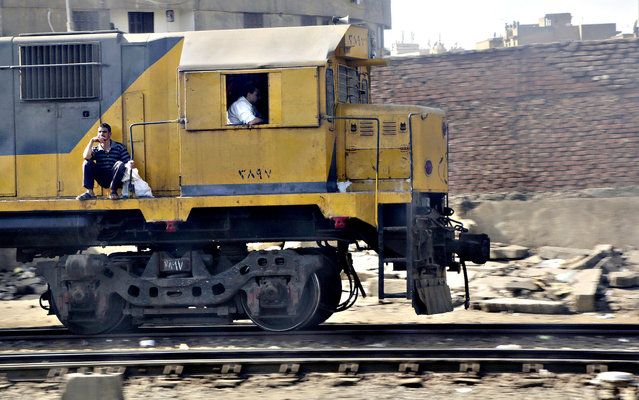
An Egyptian passenger sits on the locomotive of a train as it leaves Cairo train station in Egypt, Wednesday, October 14, 2015. (Photo by Amr Nabil/AP Photo)

An Egyptian passenger sits on the locomotive of a train as it leaves Cairo train station in Egypt, Wednesday, October 14, 2015. (Photo by Amr Nabil/AP Photo)
Details
12 Nov 2015 08:02:00
Mariam Ashraf, a teacher and “natural hair influencer”, speaks before a phone on a tripod and lights during a live-stream at her home in Egypt's capital Cairo on March 22, 2022. “Shaggy”, “messy”, “unprofessional”. Natural curls were once looked down upon in Egypt, where Western beauty standards favoured sleek, straight locks. Now, things are changing. (Photo by Khaled Desouki/AFP Photo)

Mariam Ashraf, a teacher and “natural hair influencer”, speaks before a phone on a tripod and lights during a live-stream at her home in Egypt's capital Cairo on March 22, 2022. “Shaggy”, “messy”, “unprofessional”. Natural curls were once looked down upon in Egypt, where Western beauty standards favoured sleek, straight locks. Now, things are changing. (Photo by Khaled Desouki/AFP Photo)
Details
01 Jun 2022 05:32:00