Loading...
Done
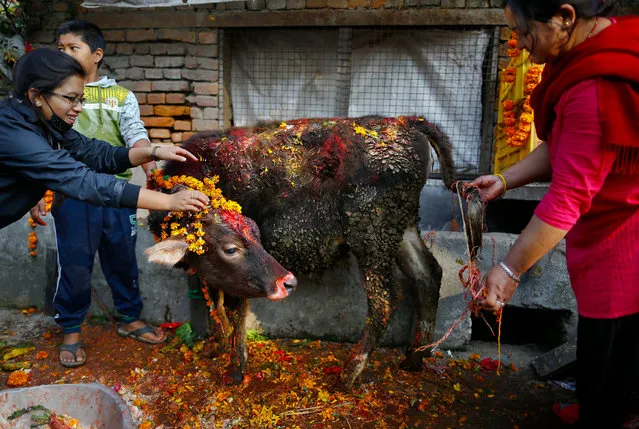
A Nepalese devotee bows in front of a cow during the 'Gai Puja', also known as the Cow Worship Day, as part of the Tihar festival in Kathmandu, Nepal, 11 November 2015. The Tihar festival is the second most important event for Nepalese Hindus. During the celebrations people worship cows, considered the incarnation of Lord Laxmi, the god of wealth. (Photo by Narendra Shrestha/EPA)

A Nepalese devotee bows in front of a cow during the 'Gai Puja', also known as the Cow Worship Day, as part of the Tihar festival in Kathmandu, Nepal, 11 November 2015. The Tihar festival is the second most important event for Nepalese Hindus. During the celebrations people worship cows, considered the incarnation of Lord Laxmi, the god of wealth. (Photo by Narendra Shrestha/EPA)
Details
14 Nov 2015 08:05:00
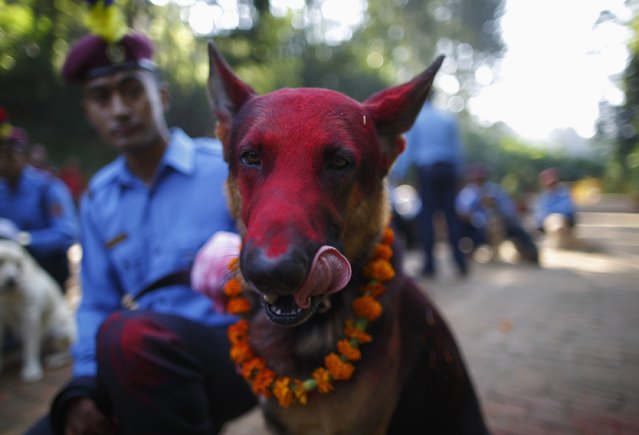
A police dog licks its face after receiving food during the dog festival, as part of celebrations of Tihar at Nepal Police Academy in Kathmandu October 22, 2014. Hindus all over Nepal are celebrating the Tihar festival, also called Diwali, during which they worship cows, which are considered a maternal figure, and other animals. (Photo by Navesh Chitrakar/Reuters)

A police dog licks its face after receiving food during the dog festival, as part of celebrations of Tihar at Nepal Police Academy in Kathmandu October 22, 2014. Hindus all over Nepal are celebrating the Tihar festival, also called Diwali, during which they worship cows, which are considered a maternal figure, and other animals. Also known as the festival of lights, devotees also worship the goddess of wealth Laxmi by illuminating and decorating their homes using garlands, oil lamps, candles and colourful light bulbs. (Photo by Navesh Chitrakar/Reuters)
Details
23 Oct 2014 11:57:00
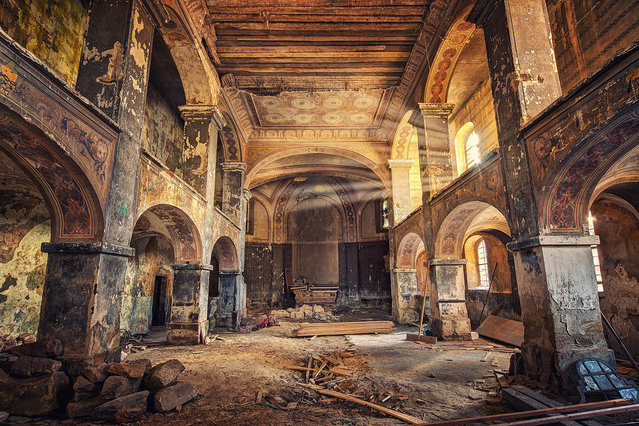
The Church of All Saints. (Photo by Matthias Haker/Caters News)

These illuminating images show the crumbling remains of some of the worlds places of worship. The shots include golden chapels, overgrown synagogues and eerily silent rooms that were once used for prayer. They were visited by Matthias Haker, a 31-year-old photographer from Potsdam, Germany. Adding to the general intrigue of his images, Matthias never discloses the location of a shot – not even the town, country or continent. Here: The Church of All Saints. (Photo by Matthias Haker/Caters News)
Details
29 Apr 2016 11:32:00
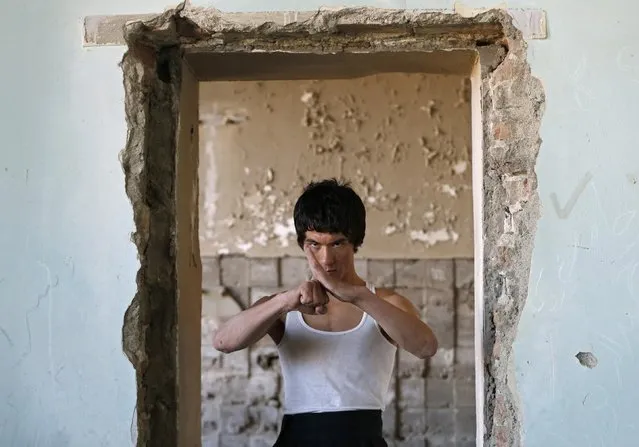
Abbas Alizada, who calls himself the Afghan Bruce Lee, poses during a media event in Kabul December 9, 2014. From the ruins of an iconic bombed-out palace above Kabul, the young Afghan man bearing a striking resemblance to kung fu legend Bruce Lee is high-kicking his way to Internet fame, aiming to show another side to his war-weary nation. (Photo by Mohammad Ismail/Reuters)

Abbas Alizada, who calls himself the Afghan Bruce Lee, poses during a media event in Kabul December 9, 2014. From the ruins of an iconic bombed-out palace above Kabul, the young Afghan man bearing a striking resemblance to kung fu legend Bruce Lee is high-kicking his way to Internet fame, aiming to show another side to his war-weary nation. (Photo by Mohammad Ismail/Reuters)
Details
10 Dec 2014 12:17:00
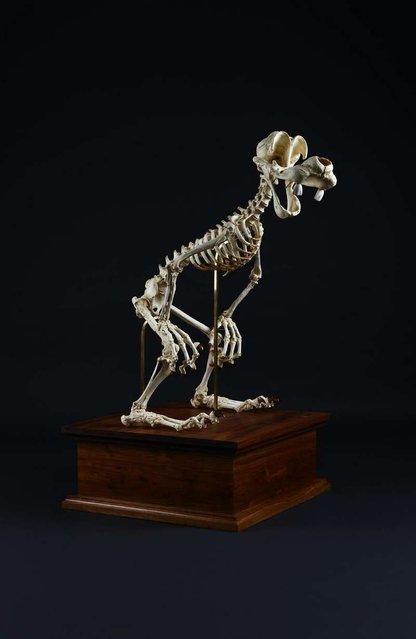
Cartoon Skeletons By Hyungkoo Lee

Korean artist Hyungkoo Lee has created a series (Homo Animatus) of works featuring skeletal representations of familiar cartoon characters. He uses resin, aluminum sticks, stainless steel wires, springs, and oil paint. If you look closely, you will see the bones of our favorite childhood friends like Canis Latrans Animatus (Wile E. Coyote), Geococcyx Animatus (Roadrunner), Lepus Animatus (Bugs Bunny), Felis Catus Animatus (Tom), Mus Animatus (Jerry), Anas Animatus (Donald Duck) and his three nephews, Animatus H, D and L ( Huey, Dewey and Louie)
Details
06 May 2013 12:42:00
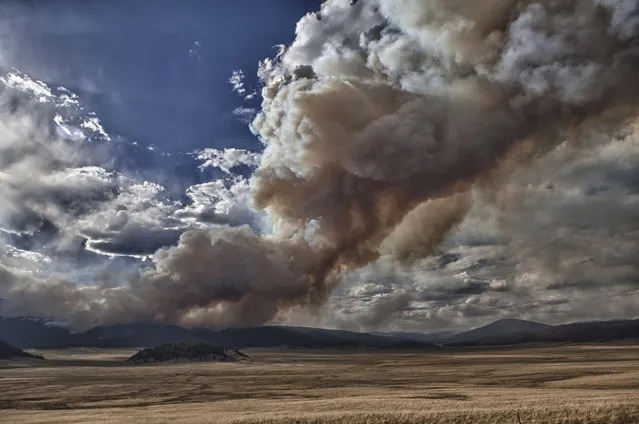
Thompson Ridge fire at the Valles Grande, 6/4/13. (Photo by Stephen Lee)

Thompson Ridge fire at the Valles Grande, 6/4/13. (Photo by Stephen Lee)
Details
05 Jun 2013 12:18:00
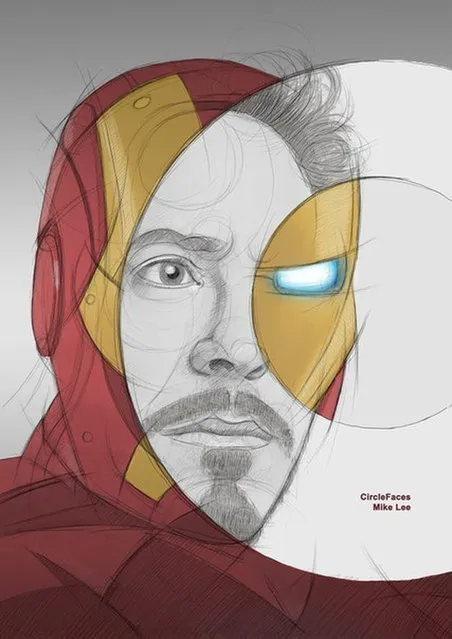
Мike Lee - CircleFaces

A series of portraits – “CircleFaces”. Author – Mike Lee
Details
10 Jan 2013 14:38:00
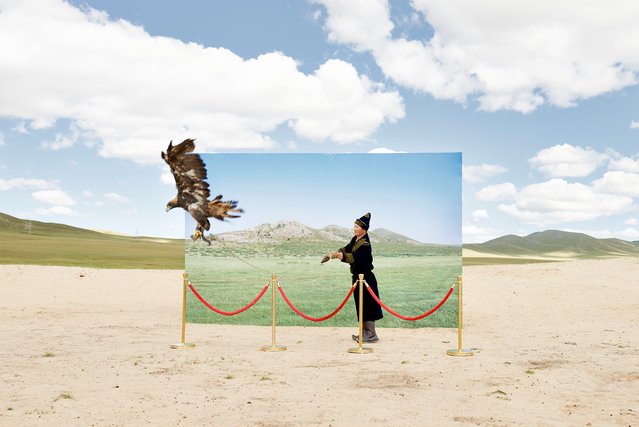
Up to 35% of Mongolians still live a nomadic life, depending on their land to survive. But environmental changes, particularly desertification, means this way of life is under threat. Korean photographer Daesung Lee’s Futuristic Archaeology images show billboard-size backdrops of lush steppe contrasting with actual scenery as former nomads enact scenes of hunting, herding and Mongolian wrestling. (Photo by Daesung Lee)

Up to 35% of Mongolians still live a nomadic life, depending on their land to survive. But environmental changes, particularly desertification, means this way of life is under threat. Korean photographer Daesung Lee’s Futuristic Archaeology images show billboard-size backdrops of lush steppe contrasting with actual scenery as former nomads enact scenes of hunting, herding and Mongolian wrestling. (Photo by Daesung Lee)
Details
24 Nov 2016 08:01:00