Loading...
Done
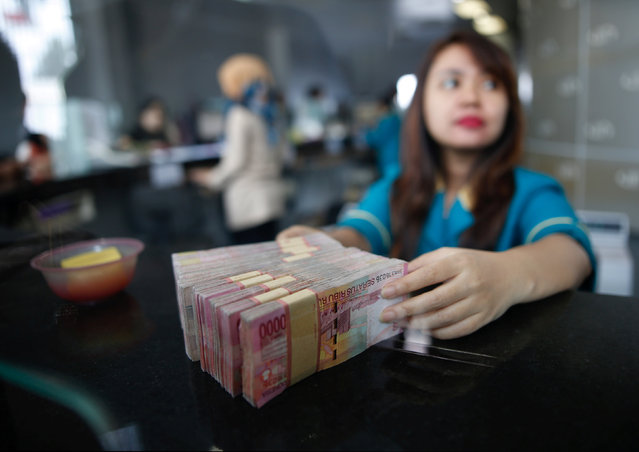
A teller at a money changer handles Indonesia rupiah bank notes in Jakarta, Indonesia November 11, 2016. (Photo by Darren Whiteside/Reuters)

A teller at a money changer handles Indonesia rupiah bank notes in Jakarta, Indonesia November 11, 2016. (Photo by Darren Whiteside/Reuters)
Details
08 Dec 2016 12:21:00
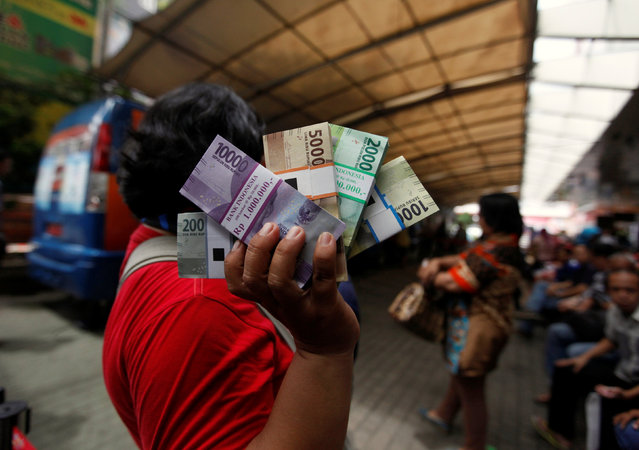
A woman holds newly designed Indonesia Rupiah banknotes after exchanging her old bills at a Bank Indonesia mobile bank in Jakarta, Indonesia December 19, 2016. (Photo by Fatima El-Kareem/Reuters)

A woman holds newly designed Indonesia Rupiah banknotes after exchanging her old bills at a Bank Indonesia mobile bank in Jakarta, Indonesia December 19, 2016. (Photo by Fatima El-Kareem/Reuters)
Details
14 Feb 2017 00:03:00
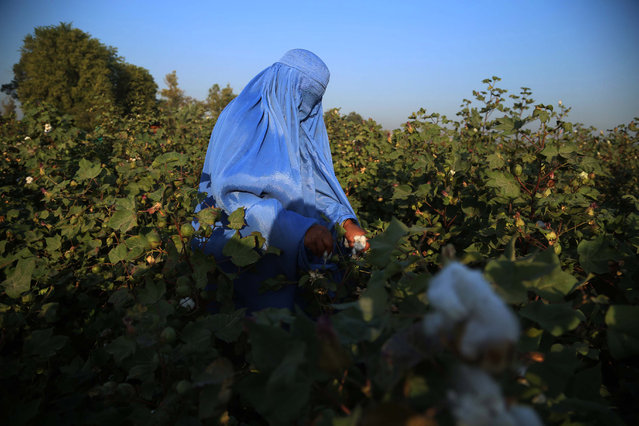
An Afghan woman collects cotton buds at governmental farms in Jalalabad, Afghanistan, 20 October 2020. Afghanistan's agriculture and livestock department in Nangarhar province hire women and people in need of cash assistance to harvest cotton from their farms. (Photo by Ghulamullah Habibi/EPA/EFE)

An Afghan woman collects cotton buds at governmental farms in Jalalabad, Afghanistan, 20 October 2020. Afghanistan's agriculture and livestock department in Nangarhar province hire women and people in need of cash assistance to harvest cotton from their farms. (Photo by Ghulamullah Habibi/EPA/EFE)
Details
28 Nov 2020 00:01:00
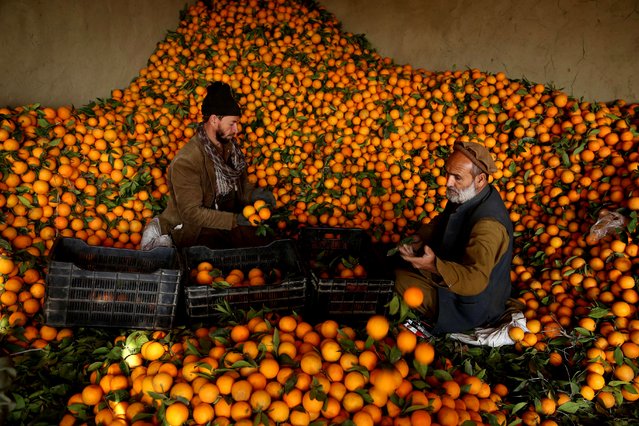
Afghan vendors sort out oranges for sale at a wholesale market in the Bati kot district in Nangarhar province, Afghanistan, 04 December 2020. The orange fruit floods markets across Afghanistan due to bumper crop in the winter season. Oranges are rich in vitamin C, which may reduce severity of the common cold. (Photo by Ghulamullah Habibi/EPA/EFE)

Afghan vendors sort out oranges for sale at a wholesale market in the Bati kot district in Nangarhar province, Afghanistan, 04 December 2020. The orange fruit floods markets across Afghanistan due to bumper crop in the winter season. Oranges are rich in vitamin C, which may reduce severity of the common cold. (Photo by Ghulamullah Habibi/EPA/EFE)
Details
10 Jan 2021 00:01:00
How Snakeskin Handbags Are Made

Images from a snake slaughterhouse at Kapetakan village in Indonesia’s West Java province. Wakira, who is known as “Boss Cobra”, owns the slaughterhouse that produces snake meat and skin. Snake meat is believed by some to be a remedy for skin diseases and asthma, as well as an aid to increase virility. The snake skins, measuring in the hundreds of metres, are sold to bag factories in the West and Central Java provinces on a monthly basis. The price of a bag made from snake skin costs between 150,000 rupiah ($ 15.60) and 300,000 rupiah ($31.20), depending on its size. That snakeskin handbag you’ll buy is costing a hell of a lot more.
Details
20 Feb 2013 12:00:00

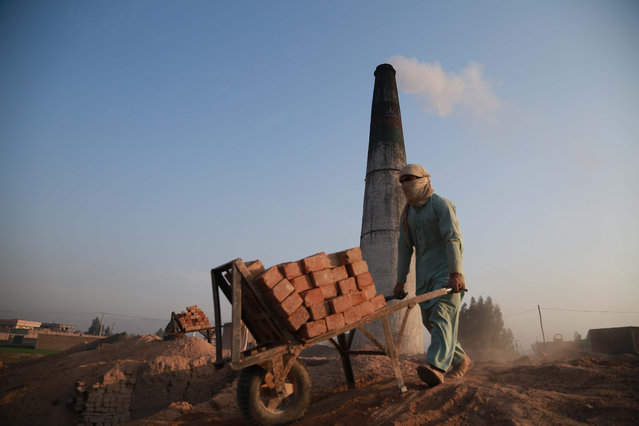
An Afghan laborer works at a brick kiln, in Jalalabad, Afghanistan, 24 February 2020. Afghan President Ghani said on 21 February, said that a seven-day reduction in violence promised by the Taliban will determine the government's next steps in Afghanistan's peace process. The Taliban has announced a decrease in hostilities in an agreement with the United States as a preliminary step to signing a peace deal with Washington on 29 February. (Photo by Ghulamullah Habibi/EPA/EFE)

An Afghan laborer works at a brick kiln, in Jalalabad, Afghanistan, 24 February 2020. Afghan President Ghani said on 21 February, said that a seven-day reduction in violence promised by the Taliban will determine the government's next steps in Afghanistan's peace process. The Taliban has announced a decrease in hostilities in an agreement with the United States as a preliminary step to signing a peace deal with Washington on 29 February. (Photo by Ghulamullah Habibi/EPA/EFE)
Details
05 May 2020 00:03:00
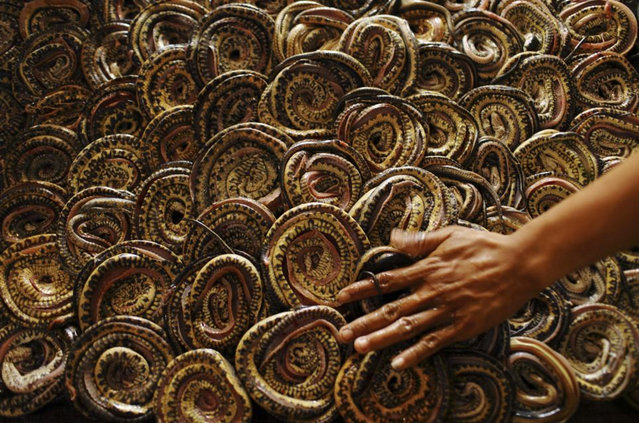
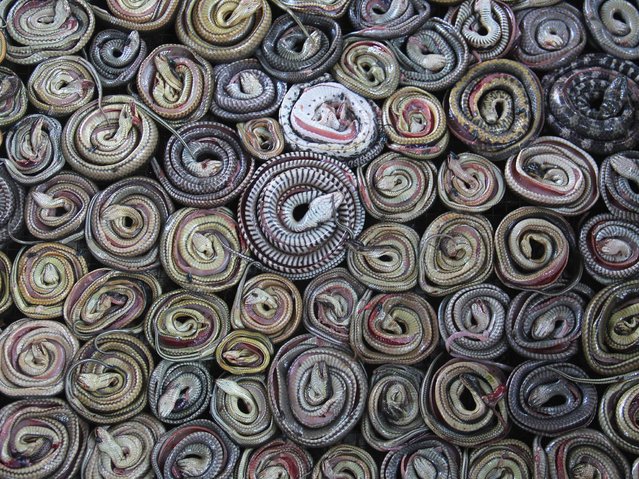
Snakes are collected and rolled before putting into the oven on March 2, 2014 in the village of Kertasura, Cirebon, Indonesia. (Photo by Nurcholis Anhari Lubis/Getty Images)

Snakes are collected and rolled before putting into the oven on March 2, 2014 in the village of Kertasura, Cirebon, Indonesia. At slaughter house snake skins measuring in the hundreds of metres, are sold to bag factories in the West and Central Java provinces on a monthly basis. From snake skin was manufactured into bags, shoes, wallets and belts. The price of a bag made from snake skin costs between 150,000 rupiah ($15 USD) and 300,000 rupiah ($30 USD), depending on its size. When snake skins reach Western fashion houses their price can increase dramatically and sell for up to $4,000 USD. (Photo by Nurcholis Anhari Lubis/Getty Images)
Details
05 Mar 2014 07:31:00
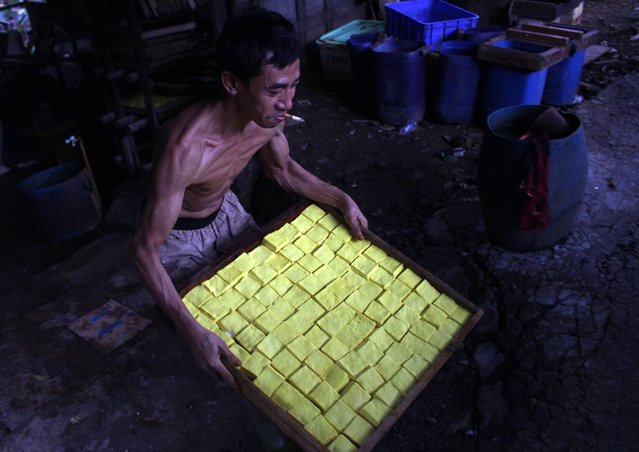
A  worker carries a tray of boiled tofu in a traditional tofu factory in Depok, Indonesia, 21 January 2015. (Photo by Adi Weda/EPA)

A worker carries a tray of boiled tofu in a traditional tofu factory in Depok, Indonesia, 21 January 2015. Tofu has been a common side dish for many Indonesian families. It is healthy, inexpensive and easy to find throughout the city. Tofu entrepreneurs in Indonesia are suffering due to the weakening of the rupiah against the US dollar and the rise in prices of imported soybeans in the international market, forcing tofu-makers to cut their production and lay off staff. (Photo by Adi Weda/EPA)
Details
27 Jan 2015 12:35:00