Loading...
Done
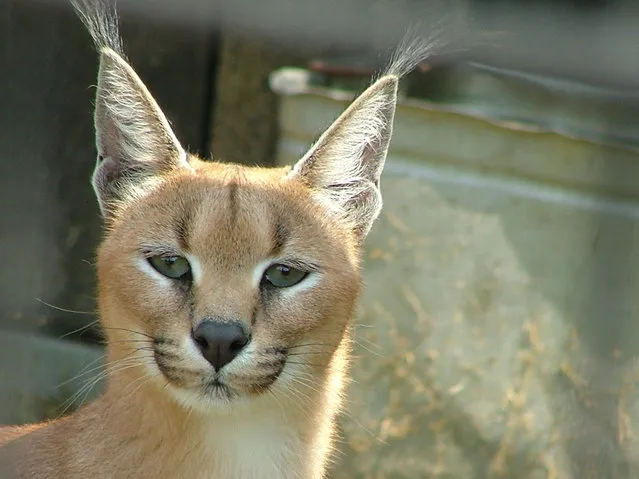
Сaracal - Desert Lynx

The caracal also known as the desert lynx, is a wild cat that is widely distributed across Africa, central Asia and southwest Asia into India. In 2002 the IUCN listed the caracal as Least Concern as it is widespread and relatively common. The felid is considered threatened in north Africa, and rare in the central Asian republics and India.
Details
20 Aug 2013 11:28:00
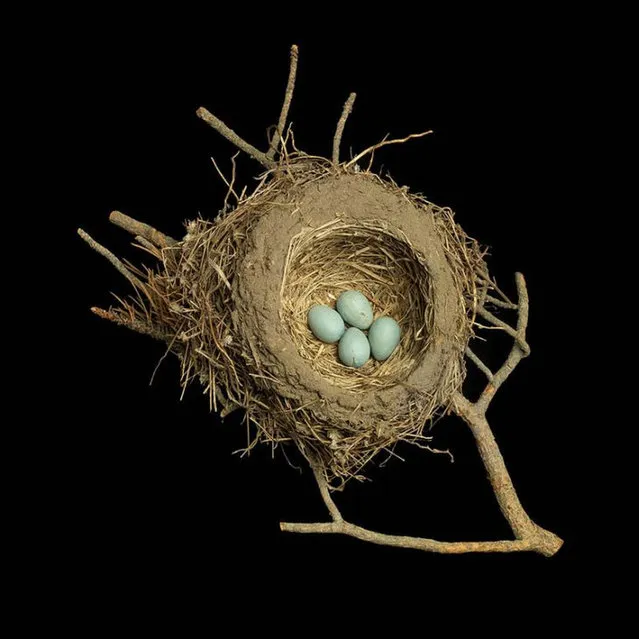
Bird Nest By Sharon Beals

Sharon Beals is a San Francisco based photographer who has photographed nest and eggs specimens collected over the last two centuries at The California Academy of Sciences, The Museum of Vertebrate Zoology, and The Western Foundation of Vertebrate Zoology. While few nests are collected today, these nests and eggs are used for research, providing important information about their builder’s habitats, DNA, diseases and other survival issues.
Details
20 Aug 2013 09:49:00
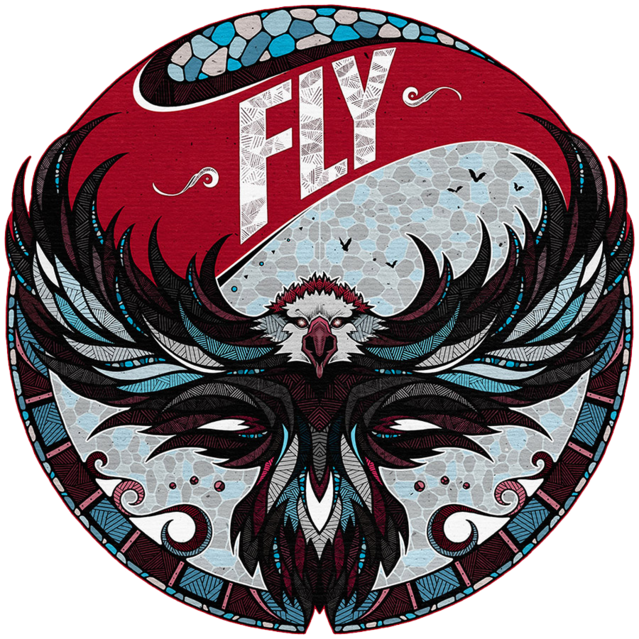
Art "Grow" by Andreas Prei

Andreas Preis is a Berlin-based German artist who studied communications design in Nuremberg.
Following an advertising internship with Springer & Jacoby he turned his attention toward freelance design and illustration. Andreas’ style mixes digital and traditional art, combining hand-drawings, cross-hatching, and color with digital media. In his latest project entitled Grow, Andreas Preis creates an incredible series of animal crests using his unique style to create these wonderful works of art.
Details
18 Aug 2013 12:05:00
Steampunk Sculptures By Pierre Matter

French sculptor Pierre Matter was born in 1964. “A mystical child, then a tormented teenager, he studied mathematics half-heartedly. It was only logical that he headed naturally, though initially in an erratic manner, for the mysterious universe of artistic creation. His slow progression in this field led him to try out many kinds of expression and material, from oil to gouache to ink, from comic strips to canvas, and also bas-relief in stone.”
Details
14 Aug 2013 15:28:00
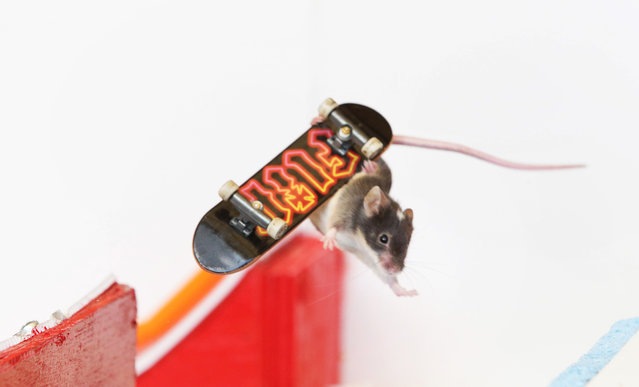
Skateboarding Mice By Shane Willmott

Three years ago, Shane Willmott wowed the world with his surfing mice. Now, the Australian has taken on a new challenge - training his radical rodents to skateboard. Mr Willmott, who lives in the Gold Coast area of eastern Australia, near Brisbane, has even built his furry friends a mini skate park. Fearless mice Harvey and Pedro take on ramps, half-pipes and even a deadly ring of fire.
Details
14 Aug 2013 12:54:00
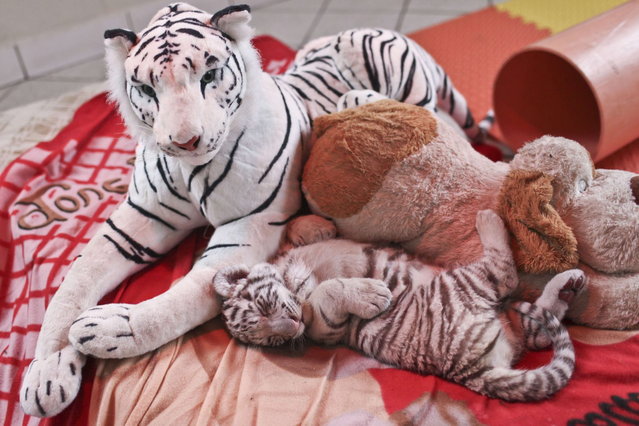
A 42-day-old white bengal tiger cub (bottom), the first of its kind born in Peru, sleeps between toys as he is presented at the Huachipa's zoo in Lima on August 6, 2013. (Photo by Ernesto Benavides/AFP Photo)

A 42-day-old white bengal tiger cub (bottom), the first of its kind born in Peru, sleeps between toys as he is presented at the Huachipa's zoo in Lima on August 6, 2013. (Photo by Ernesto Benavides/AFP Photo)
Details
12 Aug 2013 06:50:00
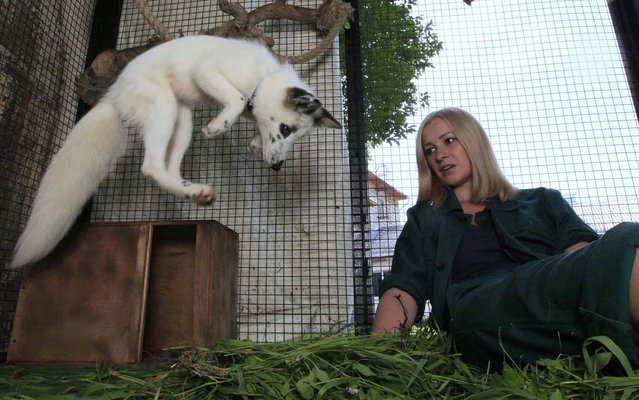
A four-month-old snow fox cub named “Vesna” leaps next to a Zoo employee at the Royev Ruchey Zoo in Krasnoyarsk, Russia, on August 6, 2013. (Photo by Ilya Naymushin/Reuters)

A four-month-old snow fox cub named “Vesna” (“Spring”) leaps next to a Zoo employee at the Royev Ruchey Zoo in Krasnoyarsk, Russia, on August 6, 2013. (Photo by Ilya Naymushin/Reuters)
Details
10 Aug 2013 14:43:00
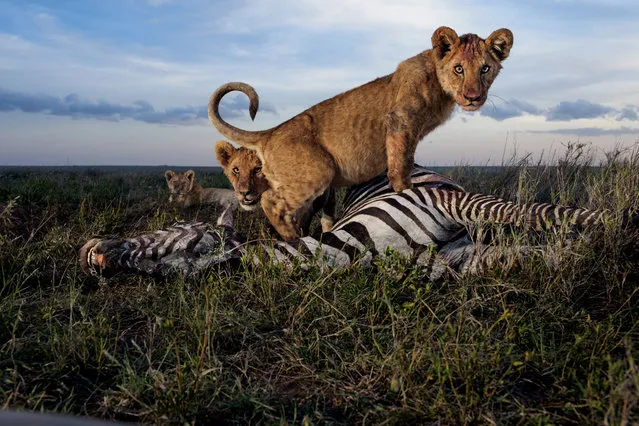
Cubs of the Simba East pride: too young to kill but old enough to crave meat. Adult females, and sometimes males, do the hunting. Zebras and wildebeests rank high as chosen prey in the rainy season. (Photo by Michael Nichols/National Geographic via The Atlantic)

“Serengeti National Park encompasses 5,700 square miles of grassy plains and woodlands near the northern border of Tanzania, and is home to more than 3,500 lions grouped into a couple dozen prides. Photographer Nick Nichols and videographer Nathan Williamson made several extended trips to the Serengeti between July 2011 and January 2013, determined to break new visual ground in their coverage of the Serengeti Lions”. Photo: Cubs of the Simba East pride: too young to kill but old enough to crave meat. Adult females, and sometimes males, do the hunting. Zebras and wildebeests rank high as chosen prey in the rainy season. (Photo by Michael Nichols/National Geographic via The Atlantic)
Details
09 Aug 2013 08:15:00