A model takes a picture of photographers outside the Anna Sui show at the Strand Rare Book Room in New York on February 10, 2024. (Photo by Jeenah Moon for The Washington Post)
India's Railway Protection Force (RPF) personnel assists a dog to perform a stunt during the celebrations to mark country's Independence Day, in Chennai on August 15, 2025. (Photo by R.Satish Babu/AFP Photo)
Members of the US secret service scramble toward the stage as Donald Trump fell while speaking as shots rang out during a campaign rally at in Butler, Pennsylvania in 2024. (Photo by Jabin Botsford/Siena awards festival 2025)
A woman throws fallen leaves and jumps while posing for a photo at the Bauman garden in Moscow, Russia, Tuesday, October 14, 2025. (Photo by Pavel Bednyakov/AP Photo)
Clouds turn shades of red and orange when the sun sets behind One World Trade Center and the Manhattan skyline on Wednesday, November 5, 2025 in New York City. (Photo by John Angelillo/UPI/Rex Features/Shutterstock)
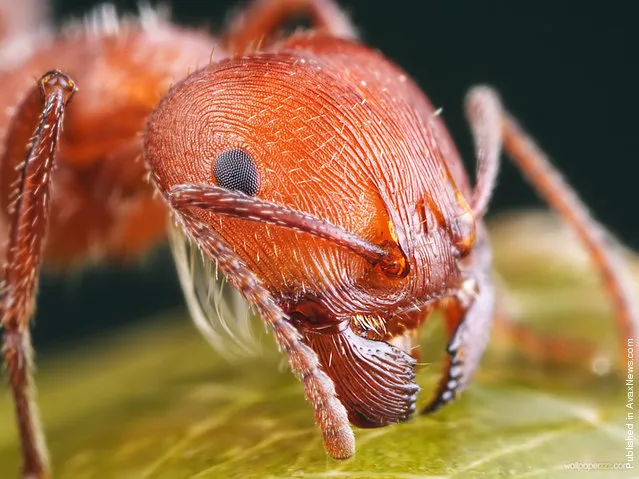
Once upon a time a myth was born that insects, unlike animals, are just a machines that not capable of learning and survive only based on their instincts. That myth has become the widespread opinion. Of course, this opinion is indeed erroneous, like many other widespread opinions. Let us try to find out which part is a myth and which part is true.
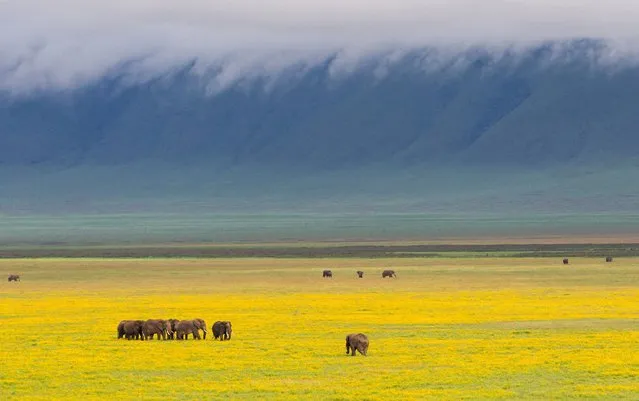
Ngorongoro Crater (Tanzania). At 610m deep and 260 sq km, this is the largest unflooded caldera in the world. A blue-green vision from above it's a haven for engangered wildlife and Maasai livestock. The crater was formed three million years ago when a giant volcano, which could have been as high as Kilimanjaro, exploded and collapsed. The caldera formed the concentric fractures in the crust cracked down to a magma reservoir deep underground. (Photo by John Bryant/Getty Images)