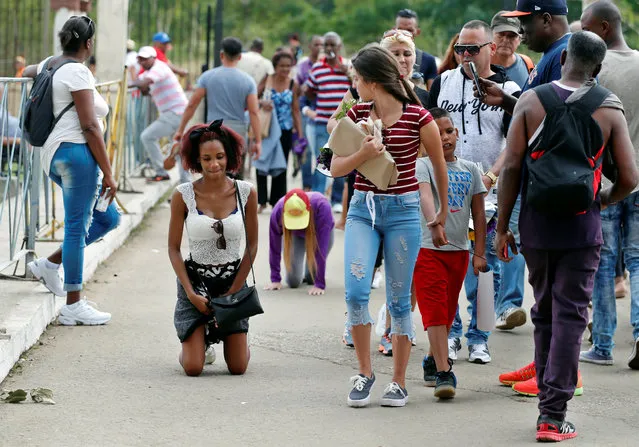
Dozens of people participate in the religious pilgrimage to the National Shrine of El Rincon, in the municipality of Boyeros, in Havana, Cuba, 17 December 2018. As is customary every year, thousands of people in mass attend the shrine to pay tribute to Saint Lazarus, to whom the faithful come for personal requests and miracles. (Photo by Ernesto Mastrascusa/EPA/EFE)
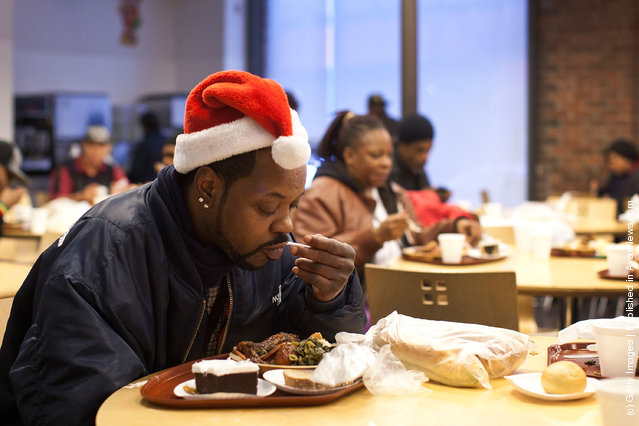
Harry Sprinkle eats a meal at St. John's Bread and Life, a free meal service, on December 23, 2011 in the Brooklyn borough of New York City. St. John's Bread and Life serves approximately 2,200 meals per day; the organization has existed since 1982. (Photo by Andrew Burton/Getty Images)
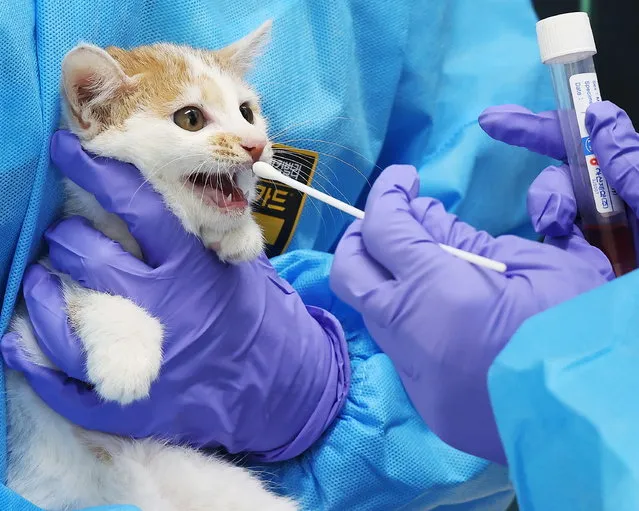
A veterinarian takes a sample from a cat at an animal shelter in Yeoju, southeast of Seoul, South Korea, 01 August 2023, after cats were found to have been infected with a highly pathogenic H5N1 avian influenza strain at shelters in Seoul on 25 and 29 July, marking the first infections of the virus in mammals since 2016. (Photo by Yonhap/EPA)
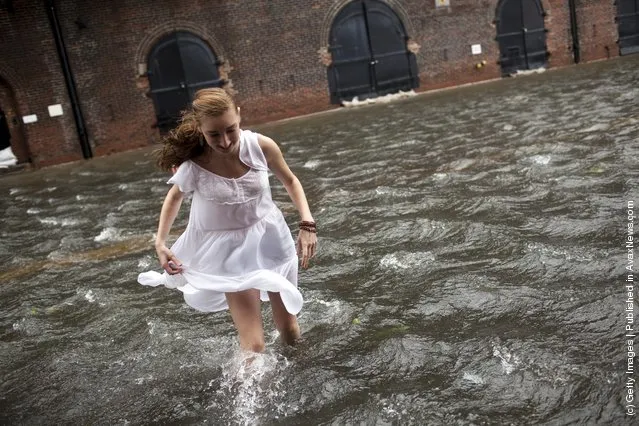
A local resident of Red Hook, Betty Walsh, crosses a flooded street in Red Hook August 28, 2011 in the Brooklyn borough of New York City. While Hurricane Irene has been downgraded to a tropical storm, it has knocked out power to more than 3 million people and is attributed to 15 deaths as it travels up the Eastern seaboard. (Photo by Robert Nickelsberg/Getty Images)
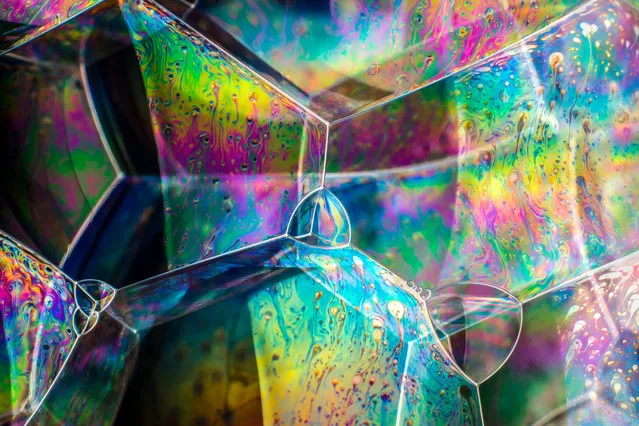
Soap Bubble Structures by Kym Cox. Bubbles optimise space and minimise their surface area for a given volume of air. This phenomenon makes them a useful tool in many areas of research, in particular, materials science and “packing” – how things fit together. Bubble walls drain under gravity, thin at the top, thick at the bottom, which interferes with travelling lightwaves to create bands of colour. Black spots show the wall is too thin for interference colours, indicating the bubble is about to burst. (Photo by Kym Cox/2019 Science Photographer of the Year/RPS)