Loading...
Done


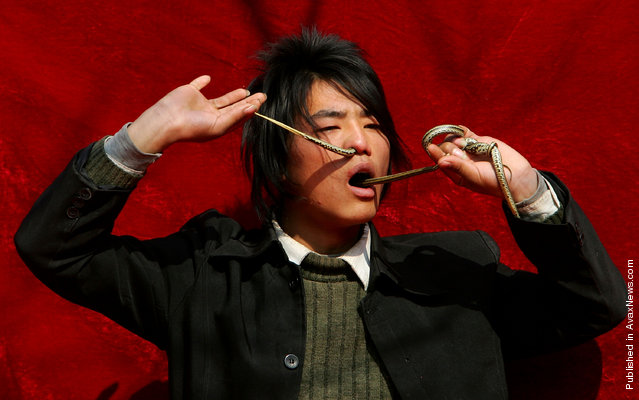
A Chinese snake charmer performs at a temple fair to mark Chinese New Year February 19, 2007 in Beijing, China. Chinese worldwide are celebrating the Chinese Lunar New Year of the Pig. (Photo by Guang Niu/Getty Images)
Details
18 Mar 2011 11:27:00
Customers take photos of a snake at the Tokyo Snake Center, a snake cafe, in Tokyo's Harajuku shopping district  August 14, 2015. (Photo by Toru Hanai/Reuters)

Customers take photos of a snake at the Tokyo Snake Center, a snake cafe, in Tokyo's Harajuku shopping district August 14, 2015. The cafe has on display 35 non-venomous snakes of 20 different breeds. Open six days a week, the cafe allows customers to enjoy food and beverages while watching a small snake slither around in a cage on their table for a 1,000 yen (8.04 dollars). By paying an additional fee, customers get to hold and pet the snake. (Photo by Toru Hanai/Reuters)
Details
15 Aug 2015 11:42:00
Snake

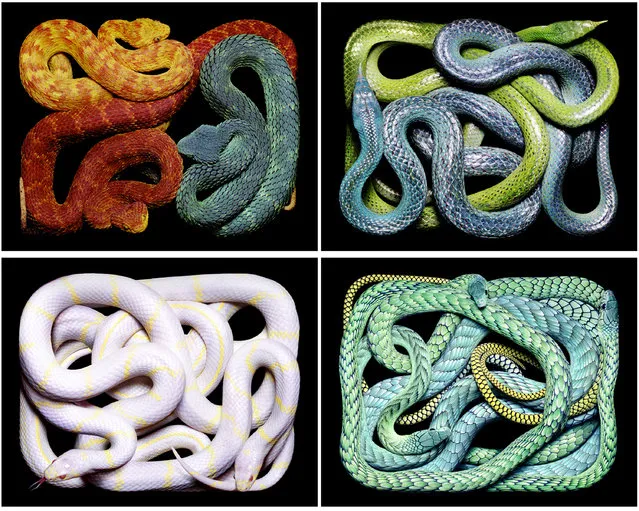
Out of 2,700 species of snakes, just few are dangerous to man and Guido Mocafico used them in his art to show there is a less frightening side to snakes. Take a look at his amazing coiled-snakes artworks and know they can be purchased from
Details
30 Jun 2012 10:02:00
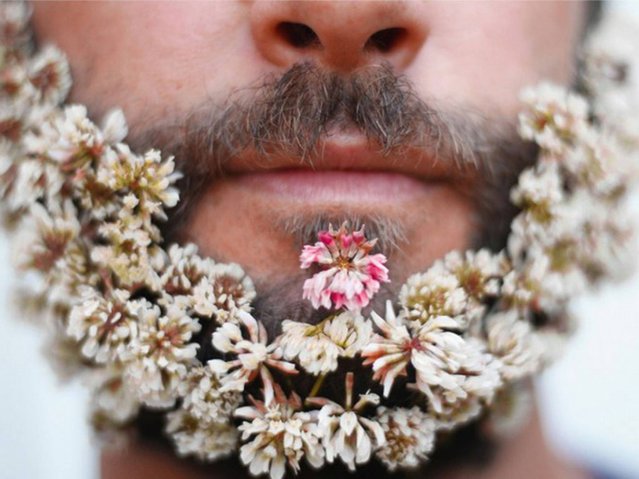
Flower beard. (Photo by designsquish/Tumblr)

“Most recently, the bushy beard’s masculinity has been turned off and instead adorned with flower power. A wacky new trend sees hipsters weave foliage into their facial hair. It’s emerging across boho America. Yes, men in Brooklyn, Portland and San Francisco are adorning their faces with blossoms, seemingly for the sole purpose of artistic portraits that have been taking over the social media with the hashtag #flowerbeards. It started gaining popularity on the social platform of Tumblr, when a blogger began “Will It Beard” project, and has since blossomed elsewhere around the Internet”. – Linda Sharkey via The Independent. (Photo by designsquish/Tumblr)
Details
22 Jul 2014 12:00:00
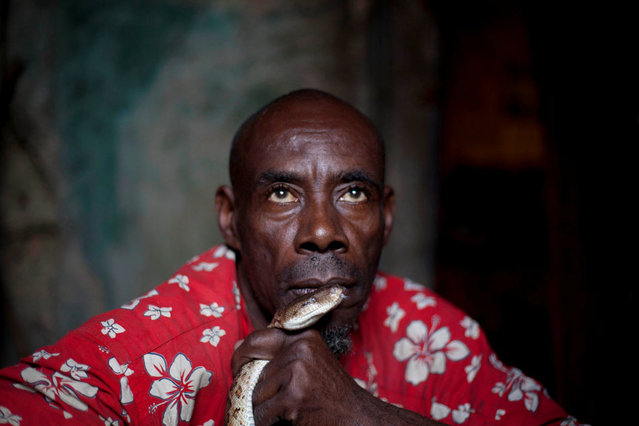
In this January 25, 2013 photo, snake handler Saintilus Resilus holds a snake in front of his lips as he trains the snake to recognize his smell as he prepares for his street performances during the pre-Lenten Carnival season, at his home in Petionville, Haiti. Resilus sees himself as something of a performance artist, showing off with snakes and other animals that Haitians don't see every day, earning tips from impromptu audiences. (Photo by Dieu Nalio Chery/AP Photo/Matt Dayhoff)

In this January 25, 2013 photo, snake handler Saintilus Resilus holds a snake in front of his lips as he trains the snake to recognize his smell as he prepares for his street performances during the pre-Lenten Carnival season, at his home in Petionville, Haiti. Resilus sees himself as something of a performance artist, showing off with snakes and other animals that Haitians don't see every day, earning tips from impromptu audiences. (Photo by Dieu Nalio Chery/AP Photo via Matt Dayhoff)
Details
02 Feb 2013 10:11:00
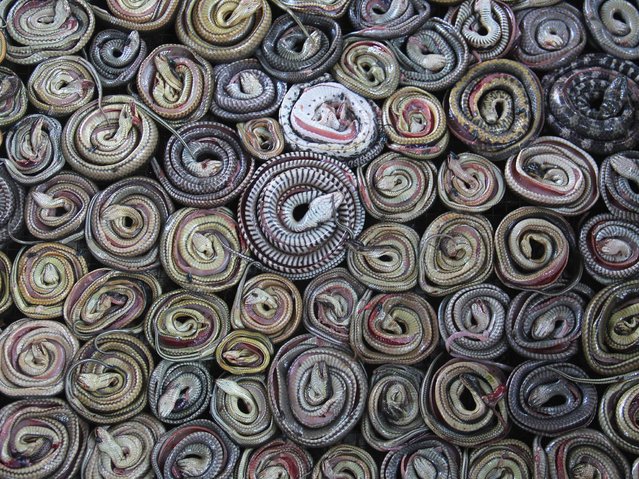
Snakes are collected and rolled before putting into the oven on March 2, 2014 in the village of Kertasura, Cirebon, Indonesia. (Photo by Nurcholis Anhari Lubis/Getty Images)

Snakes are collected and rolled before putting into the oven on March 2, 2014 in the village of Kertasura, Cirebon, Indonesia. At slaughter house snake skins measuring in the hundreds of metres, are sold to bag factories in the West and Central Java provinces on a monthly basis. From snake skin was manufactured into bags, shoes, wallets and belts. The price of a bag made from snake skin costs between 150,000 rupiah ($15 USD) and 300,000 rupiah ($30 USD), depending on its size. When snake skins reach Western fashion houses their price can increase dramatically and sell for up to $4,000 USD. (Photo by Nurcholis Anhari Lubis/Getty Images)
Details
05 Mar 2014 07:31:00
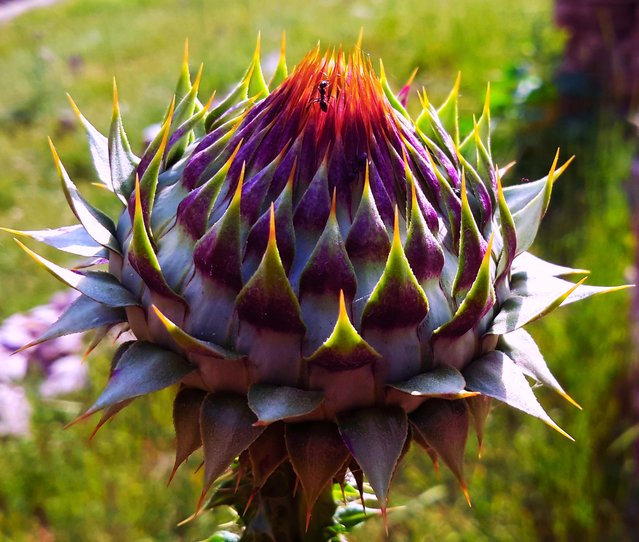
Flowers In The Wild By Adnan Mirani

The Plants like flower grow up in the wild. Spring 2014 near Paveh, Kermanshah, Iran
Details
23 Jul 2014 12:13:00
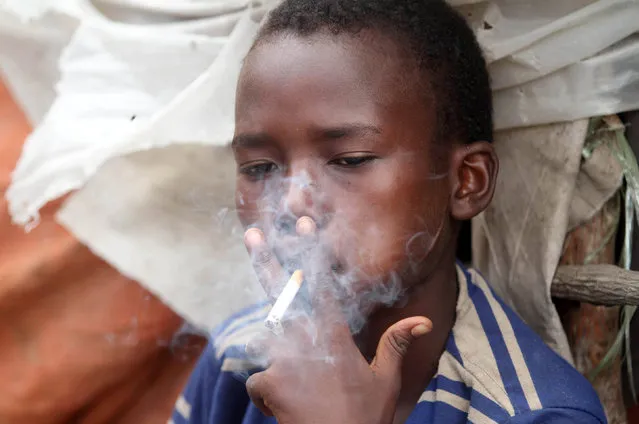
Abdulahi Yaroow, 13, smokes a cigarette while chewing khat at the same time in Mogadishu August 10, 2014. (Photo by Thomas Mukoya/Reuters)

Abdulahi Yaroow, 13, smokes a cigarette while chewing khat at the same time in Mogadishu August 10, 2014. Grown on plantations in the highlands of Kenya and Ethiopia, tonnes of khat, or qat, dubbed “the flower of paradise” by its users, are flown daily into Mogadishu airport, to be distributed from there in convoys of lorries to markets across Somalia. Britain, whose large ethnic Somali community sustained a lucrative demand for the leaves, banned khat from July as an illegal drug. This prohibition jolted the khat market, creating a supply glut in Somalia and pushing down prices, to the delight of the many connoisseurs of its amphetamine-like high. (Photo by Thomas Mukoya/Reuters)

Details
28 Aug 2014 10:35:00