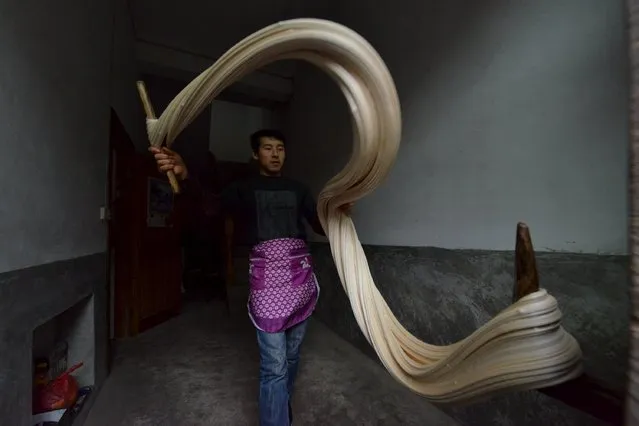
A man makes traditional candy “Matang” in preparation for the upcoming Chinese Lunar New Year in Yuqing County, Zunyi, Guizhou Province, China, January 18, 2016. (Photo by Reuters/China Daily)
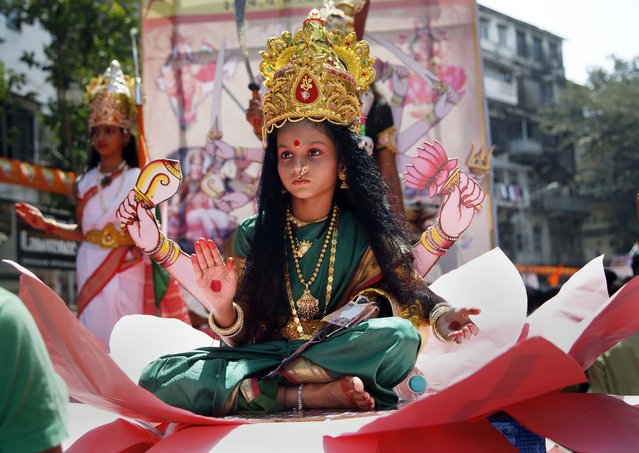
A young Indian girl dressed as Hindu goddess Laxmi participates in a procession to mark “Gudi Padwa”, or Maharashtrian New Year, in Mumbai, in the Indian state of Maharashtra, Friday, April 8, 2016. (Photo by Rajanish Kakade/AP Photo)
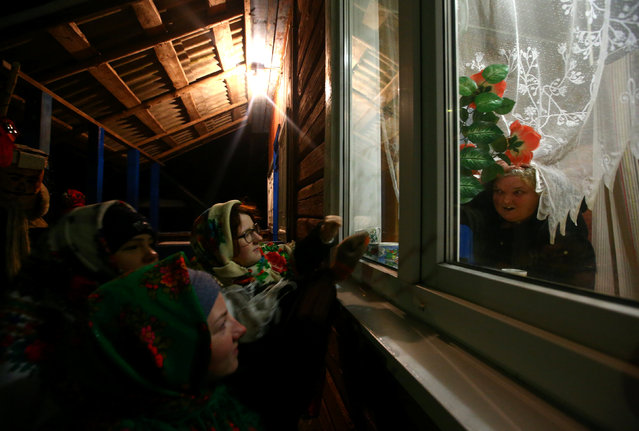
People celebrate the pagan rite called “Kolyadki” and mark the New Year, according to the Julian calendar on January 13, in the village of Vosava, Belarus January 13, 2017. (Photo by Vasily Fedosenko/Reuters)
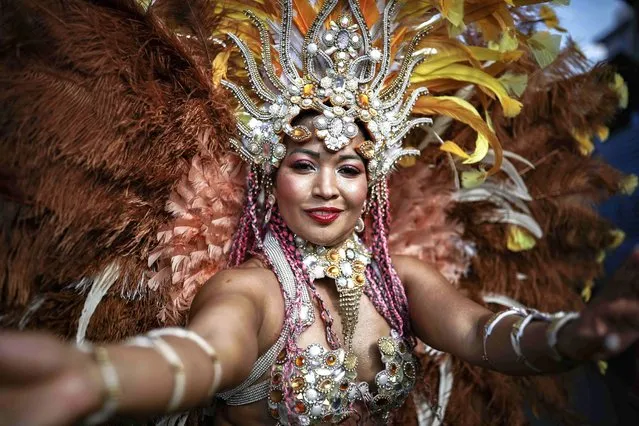
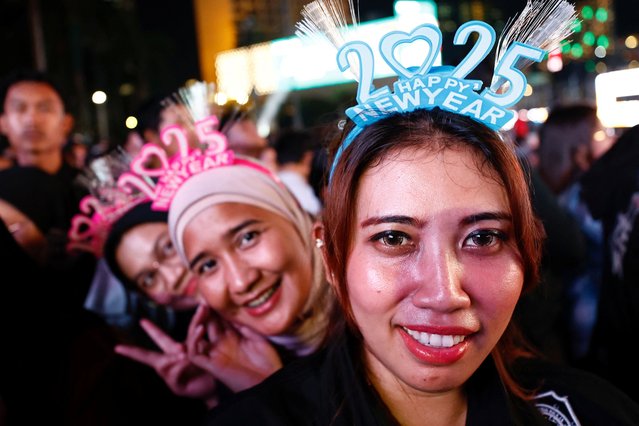
A woman takes part in a carnival parade as part of New Year's Eve festivities in San Jose, Costa Rica, 27 December 2023. (Photo by Jeffrey Arguedas/EPA/EFE)
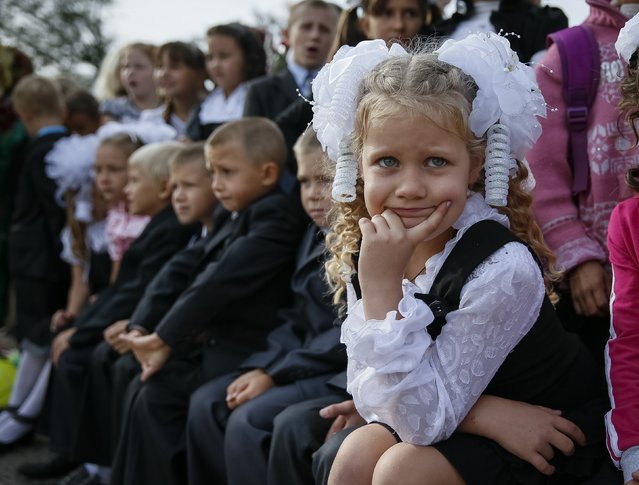
First graders attend a festive ceremony to mark the start of another school year in Slaviansk, September 1, 2014. September 1 marks the start of a new academic year for students in Ukraine. (Photo by Gleb Garanich/Reuters)
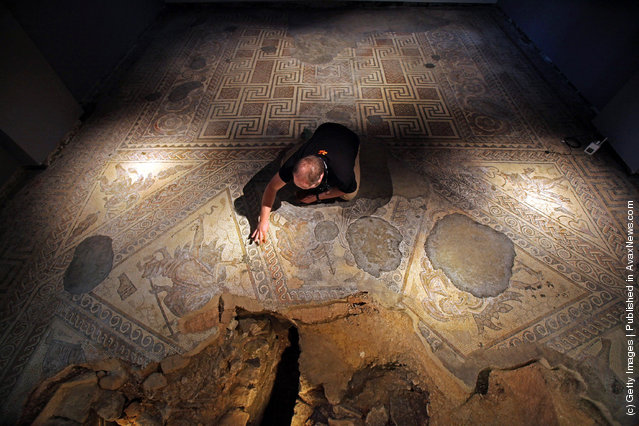
David Rawcliffe, house and monument steward at the National Trust's Chedworth Roman Villa cleans a Roman mosiac in the new environmentally-controlled conservation shelter on March 19, 2012 near Cirencester, England. Opened this month, the multi-million pound building allows visitors to walk on suspended walkways just above the 1600-year-old Roman floors and to see recently excavated mosaics not seen for 150 years, with more to be uncovered over the coming year. (Photo by Matt Cardy/Getty Images)
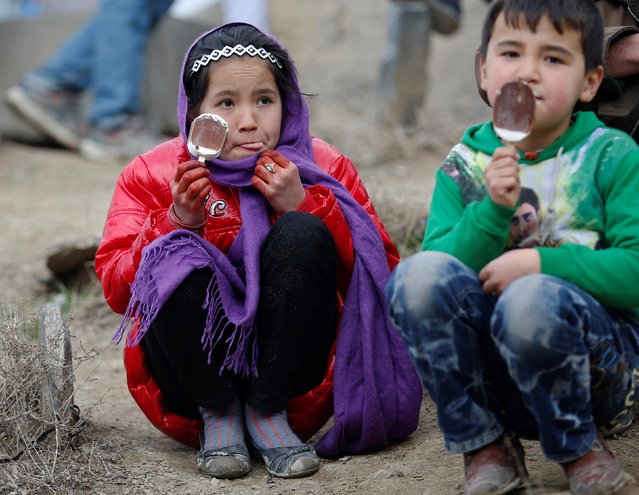
Afghan children have ice cream during the Afghan New Year (Newroz) celebration in Kabul March 21, 2014. Afghanistan uses the Persian calendar which runs from the vernal equinox. The calendar takes as its start date the time when the Prophet Mohammad moved from Mecca to Medina in 621 AD. The current Persian year is 1393. (Photo by Ahmad Masood/Reuters)