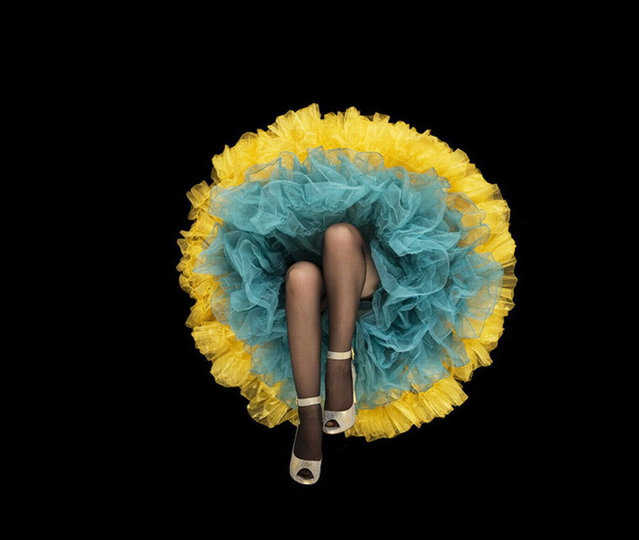
Inspired by a walk in the park and spring flowers, Toronto based wedding photographer Daryl Banks seeks to “simulate the intricate beauty of macro flower photography with crinolines, legs and hosiery.” which visually represents of the feelings of the artist about being transgender.
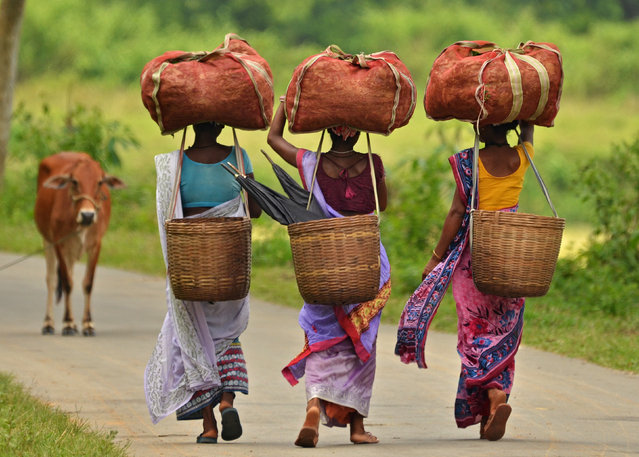
Workers carry sacks of tea leaves at a tea estate in Nagaon district in the northeastern state of Assam, India, August 22, 2016. (Photo by Reuters/Stringer)
TV personality Lindsay Hubbard got “activated” at the Straight Talk Tax Breaks event in Miami on February 24, 2024. (Photo by Michael Simon/startraksphoto.com)
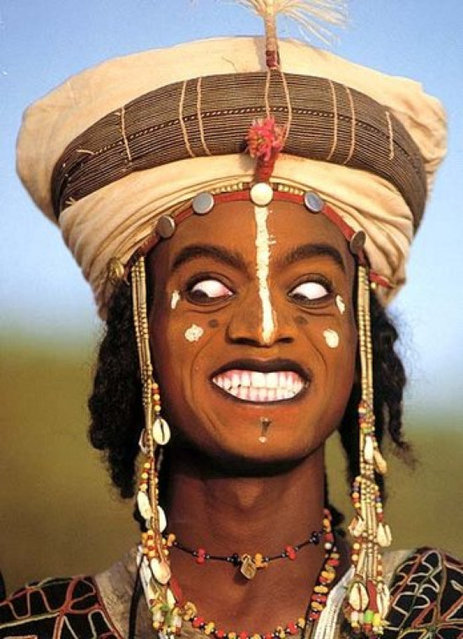
Fula people or Fulani or Fulbe are an ethnic group spread over many countries, predominantly in West Africa, but found also in Central Africa and Sudanese North Africa. African countries where they are present include Mauritania, Ghana, Senegal, Guinea, The Gambia, Mali, Nigeria, Sierra Leone, Benin, Burkina Faso, Guinea Bissau, Cameroon, Côte d'Ivoire, Niger, Chad, Togo, the Central African Republic, Liberia, and as far as Sudan and Egypt in the East. Fula people form a minority in every country they inhabit, but in Guinea they represent a plurality of the population (40%).
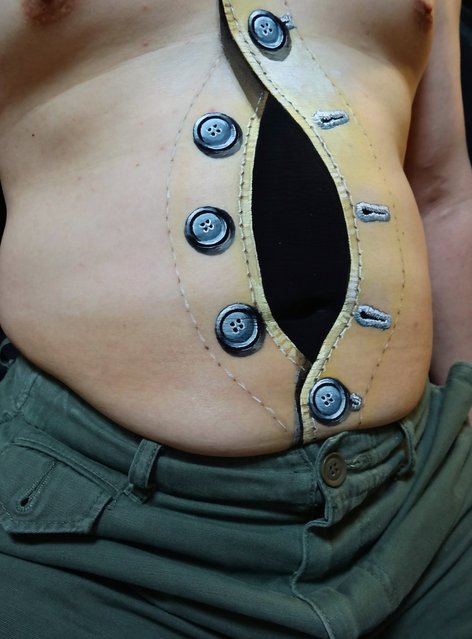
Using acrylic paint, 19-year old Japanese student and artist Chooo-San has transformed the bodies of herself and a handful of lucky volunteers into ones that appear to be from another planet. Bored with technology, she wanted to see how far she could go with creating eye-catching illusions in the real world, rather than relying on programs like Photoshop.
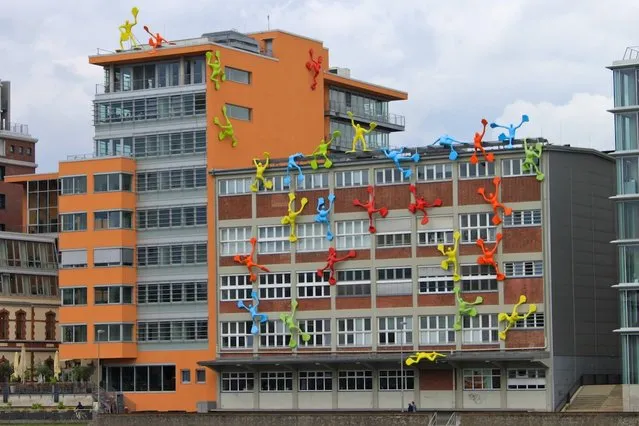
Flossis by the artist Rosalie are known far beyond the boundaries of Dьsseldorf, Germany. In this city on the Rhine, the Flossis became famous. Many buildings’ outer walls are decorated with these figures. Flossis by Rosalie come in different variants of small to large and they are popular among young and old. Flossis are made of resin and resist temperatures under -15 degrees. Below that, they should be brought to the warm inside of the building. The currently most sold Flossi, is the “type I” in red, like shown in the following illustration.
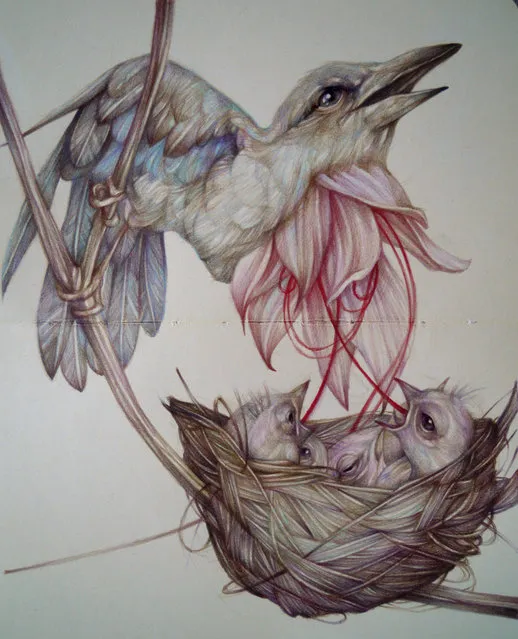
Italian pencil artist Marco Mazzoni‘s work goes far beyond technical perfection. His representation of historical healing women is enigmatic and sublime. Often leaving the eyes blank or covered with an abundance of birds, butterflies and flowers, he gives the impression of a deeper inward focused sight, as well as obscuring the identity of the individual. Many female healers in the past – both medicine woman and midwives – were brutally persecuted by religion, some even burnt as witches… Mazzoni’s work captures their deep connection with nature and their innate power and femininity with delicacy and beautiful detail.