Loading...
Done
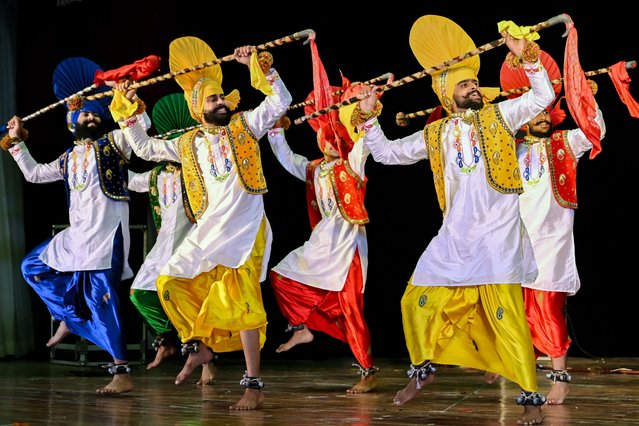
Students perform during a “Bhangra” folk dance competition at a university in Amritsar on October 29, 2024. (Photo by Narinder Nanu/AFP Photo)

Students perform during a “Bhangra” folk dance competition at a university in Amritsar on October 29, 2024. (Photo by Narinder Nanu/AFP Photo)
Details
19 Nov 2024 03:39:00
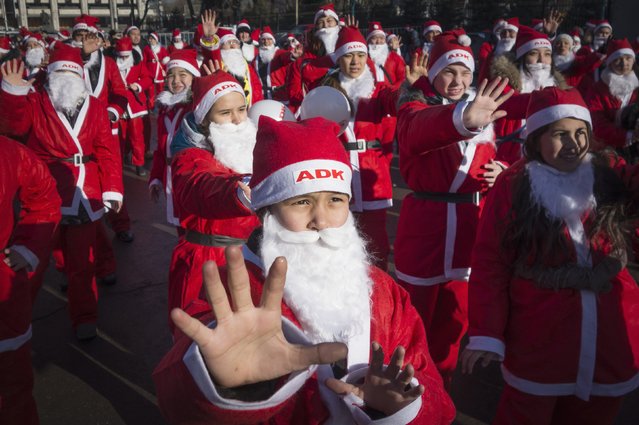
Revelers dressed as Father Frost, the equivalent of Santa Claus, dance during a parade in Almaty December 28, 2014. (Photo by Shamil Zhumatov/Reuters)

Revelers dressed as Father Frost, the equivalent of Santa Claus, dance during a parade in Almaty December 28, 2014. (Photo by Shamil Zhumatov/Reuters)
Details
29 Dec 2014 13:15:00
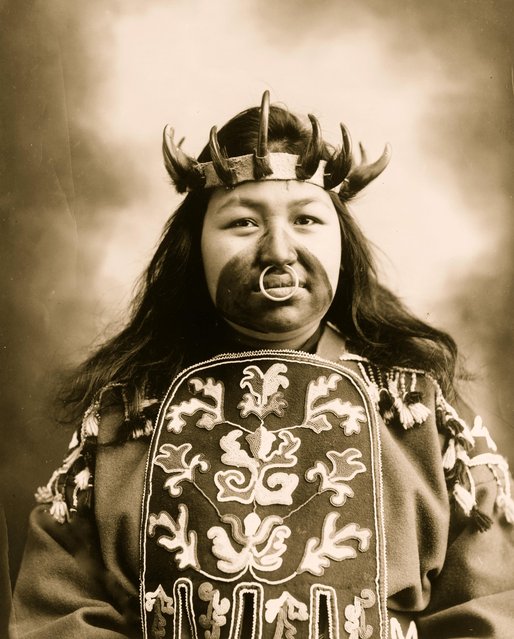
Kaw-Claa, a Tlingit native woman in full potlatch dancing costume, 1906. (Photo by Case & Draper/Buyenlarge/Getty Images)

Kaw-Claa, a Tlingit native woman in full potlatch dancing costume, 1906. (Photo by Case & Draper/Buyenlarge/Getty Images)
Details
11 Jan 2017 14:42:00
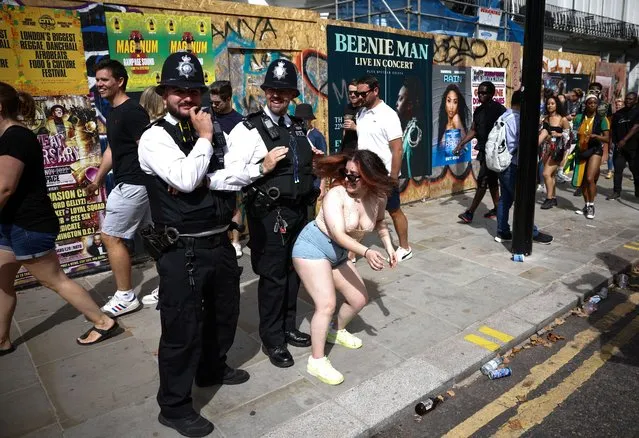
A reveller dances next to a police officer at Notting Hill Carnival in London, Britain on August 28, 2022. (Photo by Henry Nicholls/Reuters)

A reveller dances next to a police officer at Notting Hill Carnival in London, Britain on August 28, 2022. (Photo by Henry Nicholls/Reuters)

Details
11 Sep 2022 04:45:00
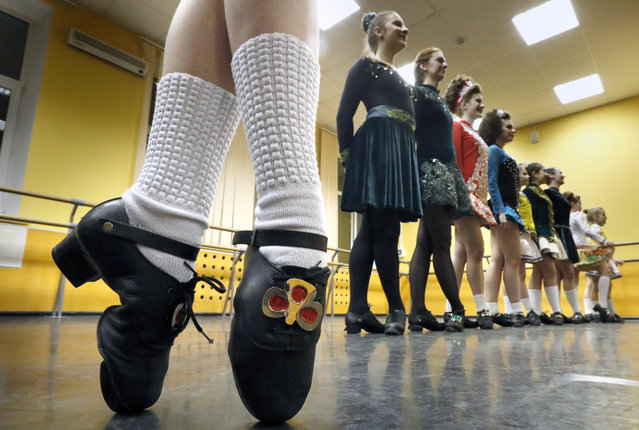
Girls during a class at the Teire Irish dance school in Moscow, Russia on March 15, 2019. (Photo by Sergei Karpukhin/TASS)

Girls during a class at the Teire Irish dance school in Moscow, Russia on March 15, 2019. (Photo by Sergei Karpukhin/TASS)
Details
23 Mar 2019 00:07:00
Dance artist HorsegiirL poses at the BRIT Awards at the O2 Arena in London, Britain, on March 1, 2025. (Photo Isabel Infantesby/Reuters)

Dance artist HorsegiirL poses at the BRIT Awards at the O2 Arena in London, Britain, on March 1, 2025. (Photo Isabel Infantesby/Reuters)
Details
06 Apr 2025 03:57:00
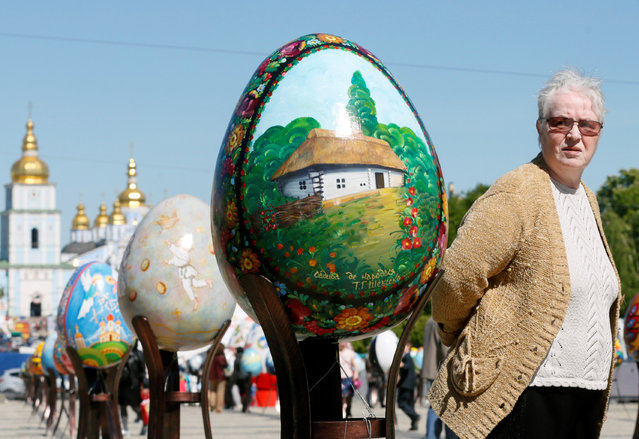
A woman looks at traditional Ukrainian Easter eggs “Pysanka”, installed as part of the upcoming celebrations of Easter, in central Kiev, Ukraine, April 29, 2016. A pysanka is a Ukrainian Easter egg, decorated with traditional Ukrainian folk designs using a wax-resist (batik) method. The word pysanka comes from the verb pysaty, “to write”, as the designs are not painted on, but written with beeswax. Many other eastern European ethnic groups decorate eggs using wax resist for Easter. These include the Belarusians, Bulgarians, Croats, Czechs, Hungarians, Lithuanians, Poles, Romanians, Serbs, Slovaks, Slovenes and Sorbs. (Photo by Valentyn Ogirenko/Reuters)

A woman looks at traditional Ukrainian Easter eggs “Pysanka”, installed as part of the upcoming celebrations of Easter, in central Kiev, Ukraine, April 29, 2016. A pysanka is a Ukrainian Easter egg, decorated with traditional Ukrainian folk designs using a wax-resist (batik) method. The word pysanka comes from the verb pysaty, “to write”, as the designs are not painted on, but written with beeswax. Many other eastern European ethnic groups decorate eggs using wax resist for Easter. These include the Belarusians, Bulgarians, Croats, Czechs, Hungarians, Lithuanians, Poles, Romanians, Serbs, Slovaks, Slovenes and Sorbs. (Photo by Valentyn Ogirenko/Reuters)
Details
30 Apr 2016 09:00:00
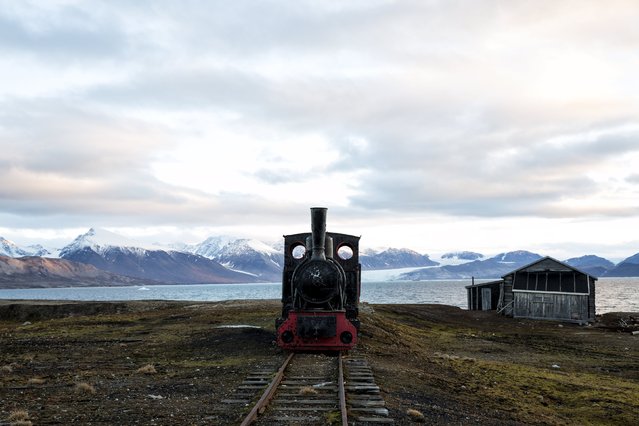
An old locomotive train that was used for transporting coal is preserved as a monument at Ny-Alesund, in Svalbard, Norway, October 11, 2015. (Photo by Anna Filipova/Reuters)

An old locomotive train that was used for transporting coal is preserved as a monument at Ny-Alesund, in Svalbard, Norway, October 11, 2015. A Norwegian chain of islands just 1,200 km (750 miles) from the North Pole is trying to promote new technologies, tourism and scientific research in a shift from high-polluting coal mining that has been a backbone of the remote economy for decades. (Photo by Anna Filipova/Reuters)
Details
29 Jan 2016 13:19:00