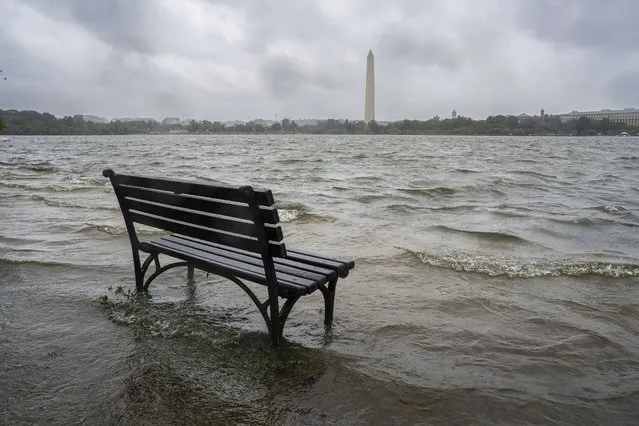
The Tidal Basin in Washington overflows the banks with the rain from Tropical Storm Ophelia, Saturday, September 23, 2023. The National Weather Service has issued a coastal flooding warning for the area. (Photo by J. David Ake/AP Photo)
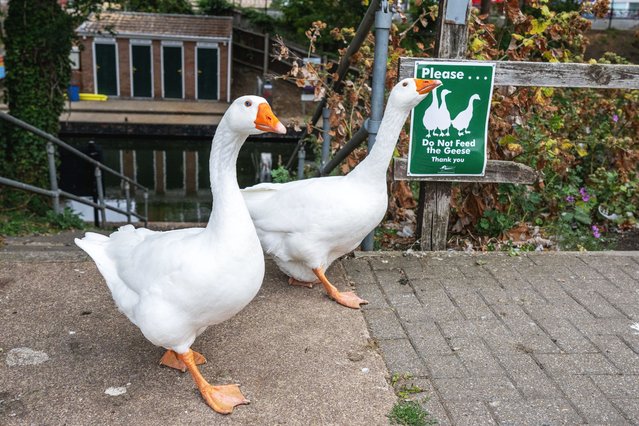
The geese in March, Cambs, UK on August 25, 2025. The family of around 20 white waterfowl have been a fixture in March, Cambs, for years and have made their mark by regularly waddling to the high street. (Photo by South West News Service)
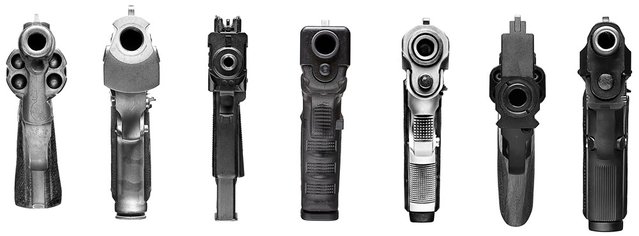
“Guns have a massive amount of power associated with them. They are designed to kill. We decided to photograph portraits of them in a similar way you might photograph a powerful person. Like powerful people, pistols have this “perfect” quality that we wanted to explore. As we started shooting them, we could see flaws in their design. Metal burring around the barrels, scratches in the metal. This imperfection and detail were very interesting to us; connecting us back to these images as portraits”. – Peter Andrew. (Photo by Peter Andrew/Simon Duffy/Derek Blais)
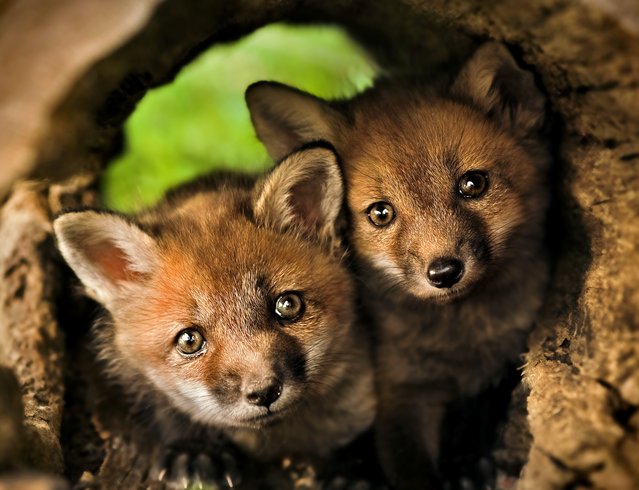
Wildlife photographer Kevin Fleming has covered the world as a photographer for National Geographic and has been recognized America’s Best Observer by Readers Digest. His assignments have taken him into war and famine in Somalia, to the Mediterranean for a re-creation of the voyage of Ulysses and put him on a dogsled crossing the Canadian arctic. Now Kevin is working on his 27th book. Here: Red fox kits look out from a hollow log. (Photo by Kevin Fleming)
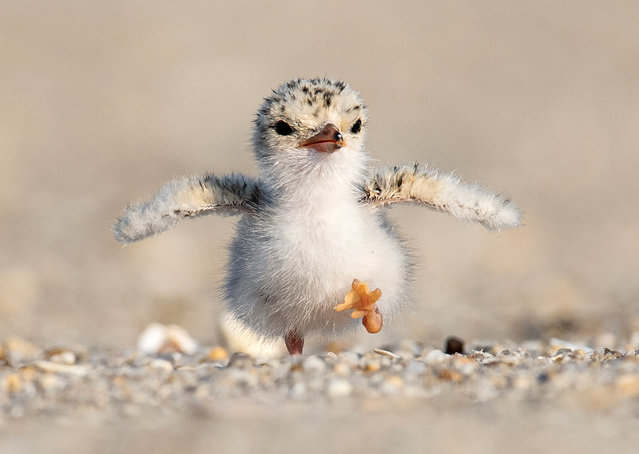
A tern chick takes its first steps in the first decade of June 2024 at Nickerson Beach, New York, a common nesting location. (Photo by Suraj Ramamurthy/Solent News)
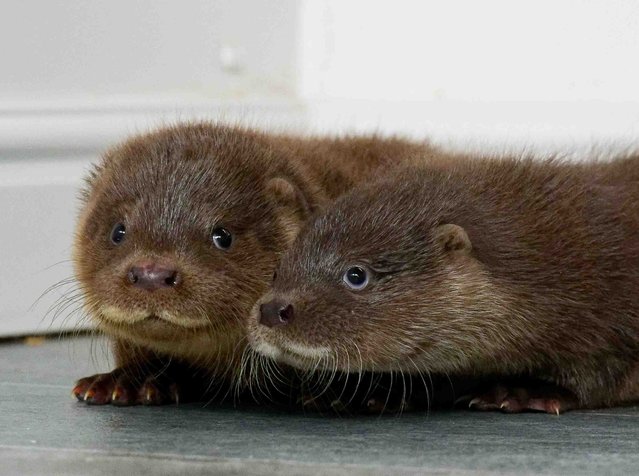
A rescued otter cub named Mingo is receiving specialist care after being found in July 2025 in the flamingo habitat at Colchester Zoo, far from where he should have been. He is being raised with two other cubs at the UK Wild Otter Trust’s centre in Devon, UK. (Photo by UK Wild Otter Trust/Cover Images)
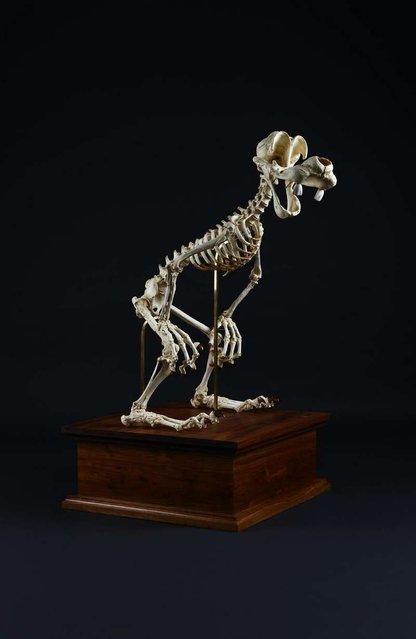
Korean artist Hyungkoo Lee has created a series (Homo Animatus) of works featuring skeletal representations of familiar cartoon characters. He uses resin, aluminum sticks, stainless steel wires, springs, and oil paint. If you look closely, you will see the bones of our favorite childhood friends like Canis Latrans Animatus (Wile E. Coyote), Geococcyx Animatus (Roadrunner), Lepus Animatus (Bugs Bunny), Felis Catus Animatus (Tom), Mus Animatus (Jerry), Anas Animatus (Donald Duck) and his three nephews, Animatus H, D and L ( Huey, Dewey and Louie)