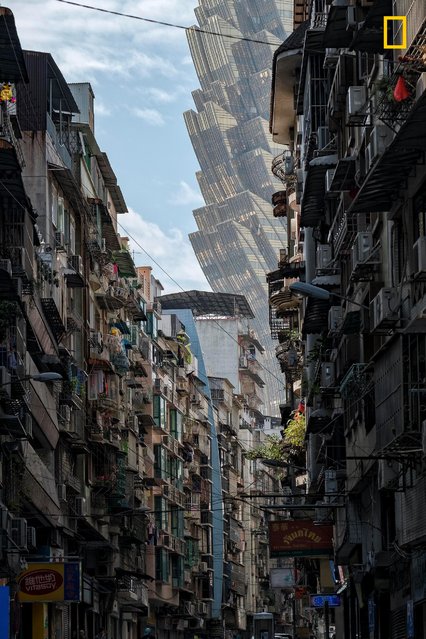
The Invasion. A quiet street in Macau. Modernization around is quickly changing the city, as documented by Paul Tsui. (Photo by Paul Tsui/National Geographic Travel Photographer of the Year Contest)
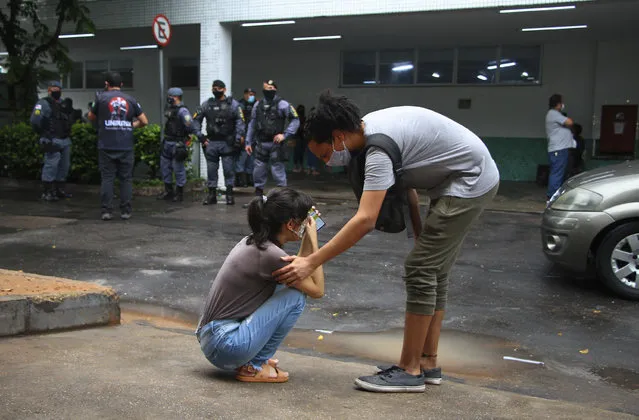
Raissa Floriano whose father is hospitalized with CCOVID-19, cries during a protest amid the new coronavirus pandemic outside the 28 Agosto Hospital, in Manaus, Brazil, Thursday, January 14, 2021. Scores of COVID-19 patients in the Amazon rainforest's biggest city will be transferred out of state as the local health system collapses and dwindling stocks of oxygen tanks begin to falter. (Photo by Edmar Barros/AP Photos)
Jasmine Paolini hits a forehand during her first-round US Open match on Sunday, August 24, 2025 at USTA Billie Jean King National Tennis Center in the Flushing neighborhood of the Queens borough of New York City. (Photo by Ray Giubilo)
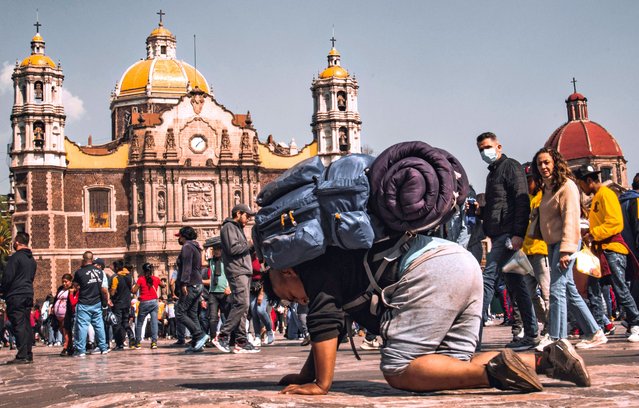
A pilgrim enters the Basilica of Our Lady of Guadalupe on their hands and knees to honour the Virgin Mary in Mexico City, Mexico on December 11, 2022. (Photo by Jorge Nunez/Zuma Press Wire/Rex Features/Shutterstock)
A model presents a creation by designer Nadir Tati, as part of her Summer 2016 collection, during Lisbon Fashion Week, Portugal, October 11, 2015. (Photo by Rafael Marchante/Reuters)
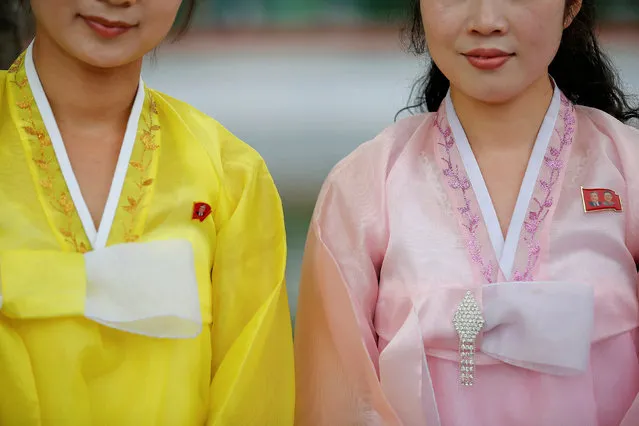
Women wearing traditional dresses with pins of pictures of former North Korean leaders Kim Il Sung and Kim Jong Il welcome foreign reporters on a government organised visit to the Kim Jong Suk Pyongyang textile mill in Pyongyang, North Korea May 9, 2016. (Photo by Damir Sagolj/Reuters)
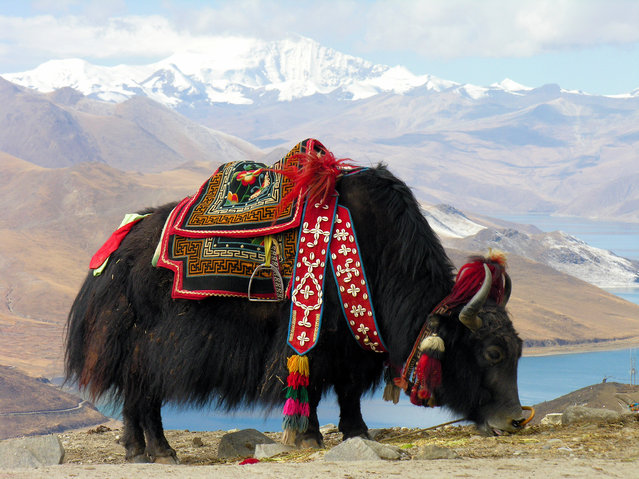
Yak near Yamdrok lake, Tibet. It is a long-haired bovinae found throughout the Himalayan region of south Central Asia, the Tibetan Plateau and as far north as Mongolia and Russia. The Tibetan economy is dominated by subsistence agriculture. Due to limited arable land, the primary occupation of the Tibetan Plateau is raising livestock, such as sheep, cattle, goats, camels, yaks, dzo, and horses. The Tibetan yak is an integral part of Tibetan life. (Photo by Dennis Jarvis)