Female North Korean soldiers parade to mark the 60th anniversary of the signing of a truce in the 1950-1953 Korean War at Kim Il-sung Square, in Pyongyang. (Photo by Jason Lee/Reuters)
The body of one of several U.S. soldiers who were executed after being captured by North Korean troops just south of Seoul in early July 1950. (Photo by AP Photo)
The Eastern City Gate apartment buildings complex stands in the Konjarnik neighbourhood in Belgrade, Serbia, July 30, 2019. Brutalism, an architectural style popular in the 1950s and 1960s, based on crude, block-like forms cast from concrete was popular throughout the eastern bloc. (Photo by Marko Djurica/Reuters)
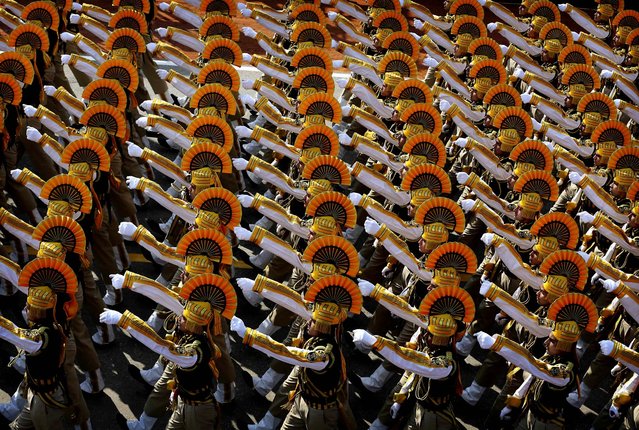
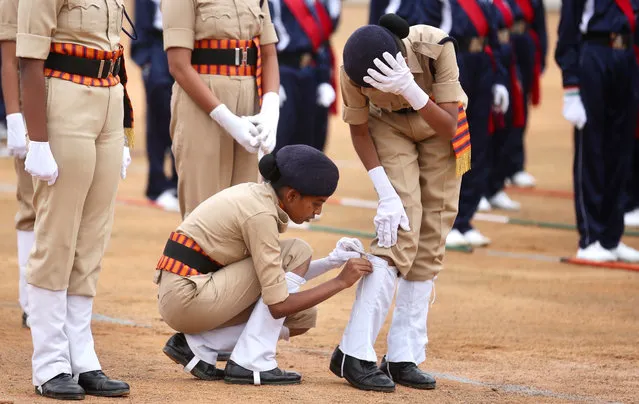
Indian security personnel adjust a uniform during full-dress rehearsal ahead of the 74th Republic day celebrations in Bangalore, India, 24 January 2023. The Republic Day of India marks the adoption of the constitution of India and the transition of the country to a Republic on 26 January 1950. (Photo by Jagadeesh N.V./EPA/EFE)
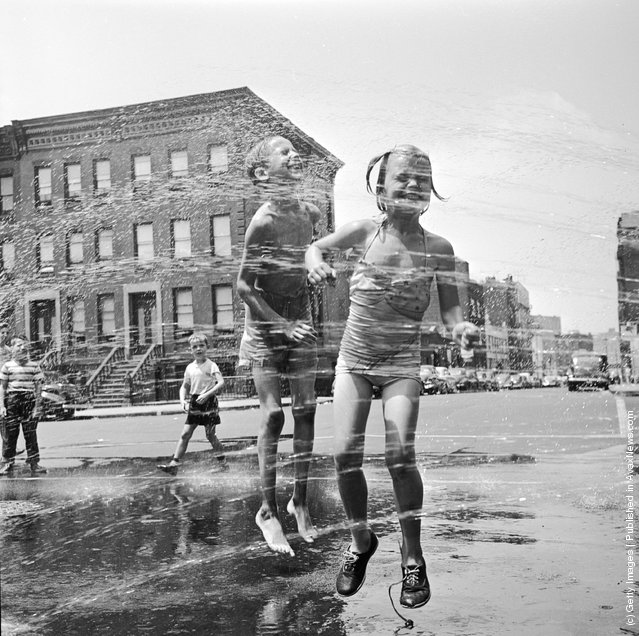
Two children jumping through a water hydrant's shower on a New York street. They have come from a neighbouring co-educational playgroup organised by the city's Police Department. (Photo by Orlando/Getty Images). 1950
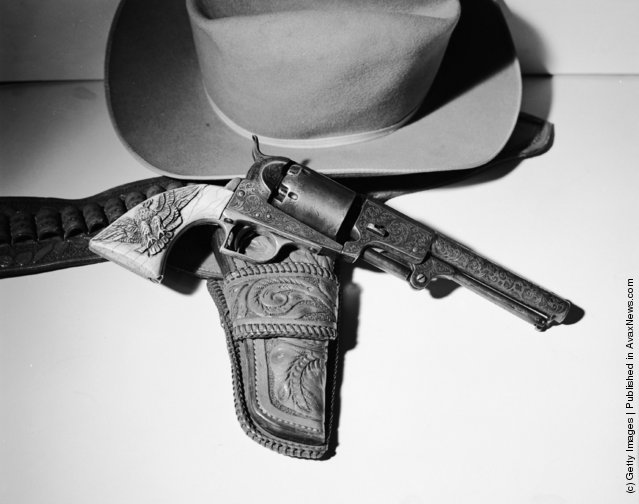
A .44 Colt Dragon with a traditional Cowboy's hat. This weapon was originally used in the Mexican War of 1846-8 and it is typical of the type used in the “Wild West” of America. (Photo by Orlando /Three Lions/Getty Images). Circa 1950
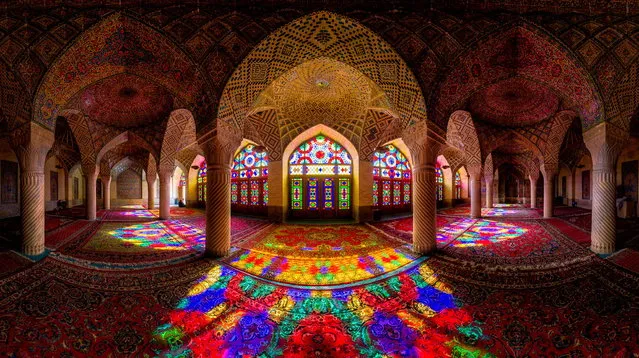
The Nasīr al-Mulk Mosque or Pink Mosque is a traditional mosque in Shiraz, Iran, located in Goade-e-Araban place (near the famous Shah Cheragh mosque). The mosque was built during the Qājār era, and is still in use under protection by Nasir al Mulk's Endowment Foundation. It was built by the order of Mirza Hasan Ali Nasir al Molk, one of the lords of the Qajar Dynasty, in 1876 and was finished in 1888. The designers were Muhammad Hasan-e-Memar and Muhammad Reza Kashi Paz-e-Shirazi. The mosque extensively uses colored glass in its facade, and displays other traditional elements such as panj kāseh-i (five concaves) in its design, it is also named in popular culture as Pink Mosque due to the usage of beautiful pink color tiles for its interior design.