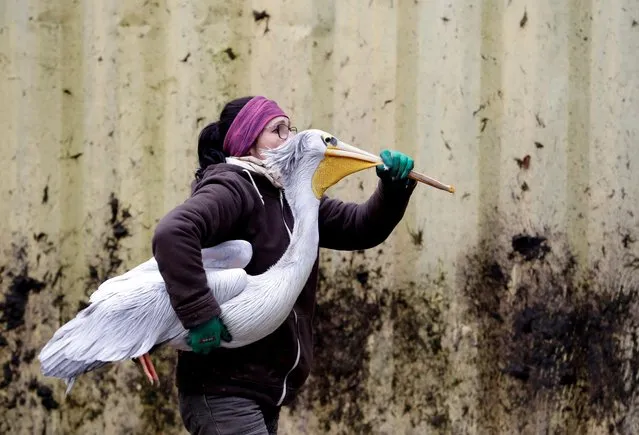
A zoo keeper carries a pelican to move it to its winter enclosure at Dvur Kralove Zoo in Dvur Kralove nad Labem, Czech Republic on November 5, 2019. (Photo by David W. Cerny/Reuters)
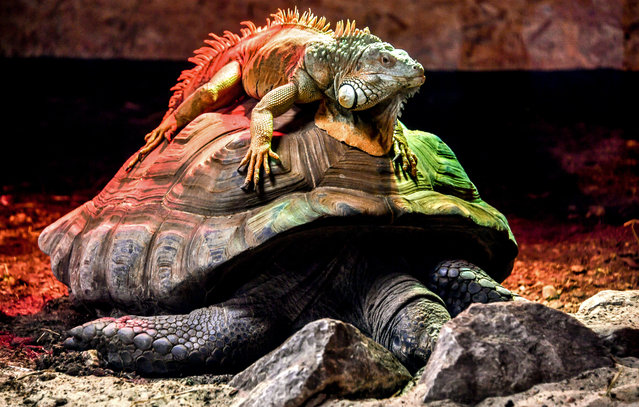
A green iguana, or American iguana sits on an Aldabra giant tortoise, the largest tortoise of the world, in their enclosure at the zoo park of Lille, northern France, on February 11, 2019. (Photo by Philippe Huguen/AFP Photo)
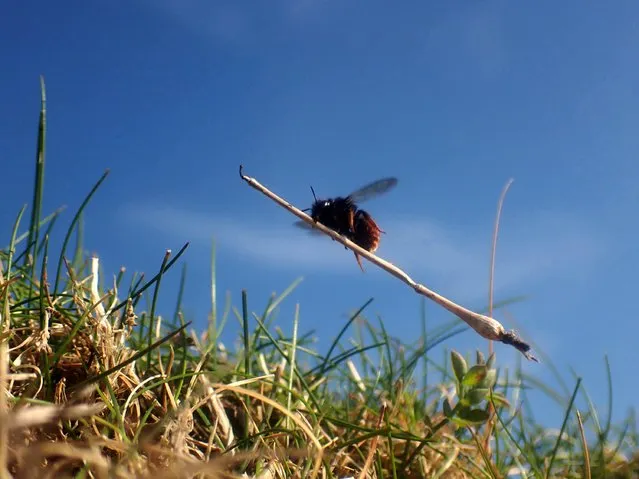
Undated BBC handout photo of a female two-coloured Mason Bee carrying a dried grass stalk back to her snail-shell nest on the British Isles in the latest episode of Sir David Attenborough's Wild Isles series. Issue date: Sunday March 26, 2023. (Photo by John Walters/Silverback Films/BBC/PA Wire)
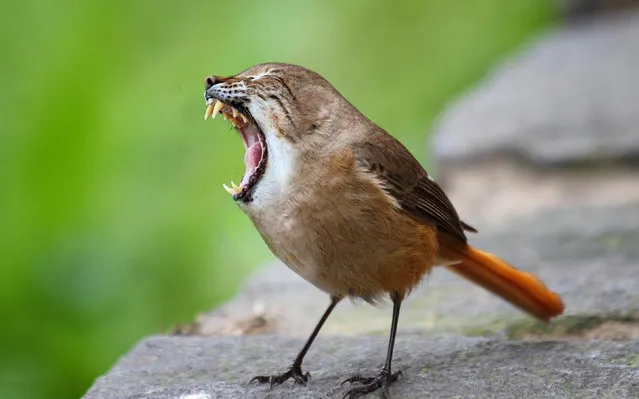
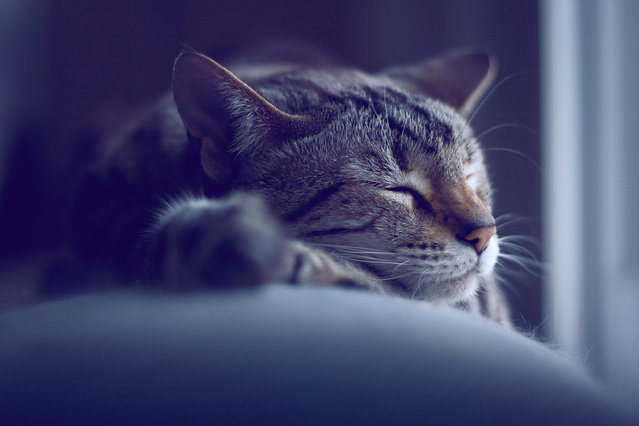
New species have been created by an enterprising artist who has merged photos of animals together in this incredible series of pictures. Californian Sarah DeRemer, 25, started making hybrid animals as a way to improve her photoshop skills. Here: cross between a tabby cat and a sparrow. (Photo by Sarah DeRemer/Caters News)
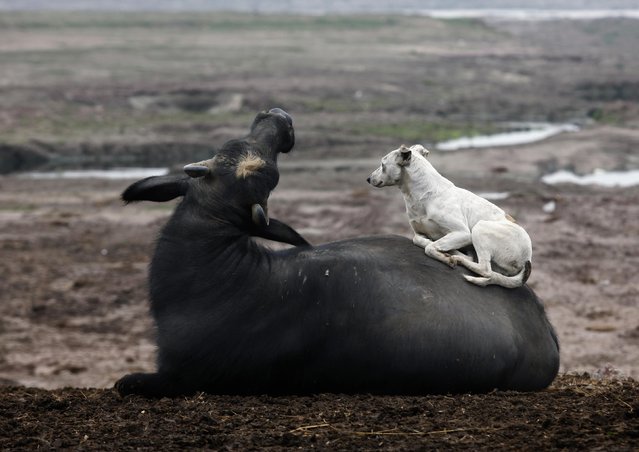
A dog rests on a buffalo near Ravi River in Lahore, Pakistan, on Febuary 4, 2013. (Photo by Mohsin Raza/Reuters)
P.S. All pictures are presented in high resolution. To see Hi-Res images – just TWICE click on any picture. In other words, click small picture – opens the BIG picture. Click BIG picture – opens VERY BIG picture (if available; this principle works anywhere on the site AvaxNews).
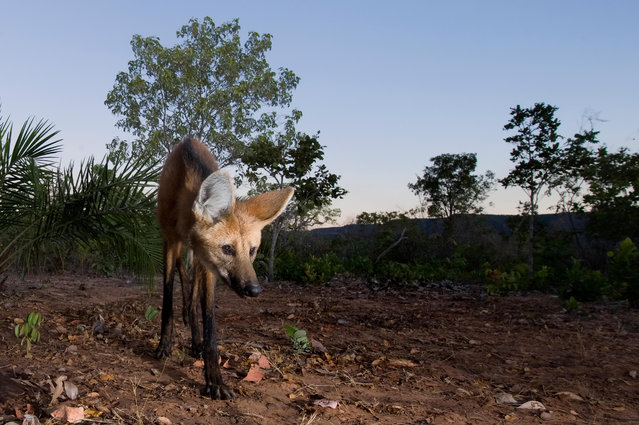
Global wildlife populations will decline by 67% by 2020 unless urgent action is taken to reduce human impact on species and ecosystems, warns the biennial Living Planet Index report from WWF (World Wide Fund for Nature) and ZSL (Zoological Society of London). From elephants to eels, here are some of the wildlife populations most affected by human activity. Here: The maned wolf is among the large mammals in the Brazilian Cerrado that are threatened by the increasing conversion of grasslands into farmland for grazing and growing crops. (Photo by Ben Cranke/Nature Picture Library/Alamy Stock Photo)