Loading...
Done
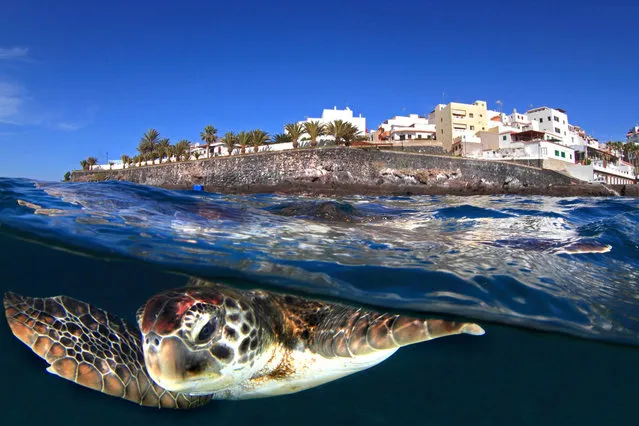
Synchronized Swimming Turtles

These talented turtles have been "snapped" performing for the camera as they practice their synchronized swimming routine. Photographed underwater by Monste Grillo, 36, from Tenerife, Spain, the turtles are seen swimming in unison as well as touching fins as they circle towards the surface. After spending hours in the water off the coast of the Canary Islands in 2012, the photographs capture the gentle nature of the creatures as well as giving a fascinating glimpse into their behavior in the wild. (CATERS NEWS)
Details
22 Aug 2013 15:56:00
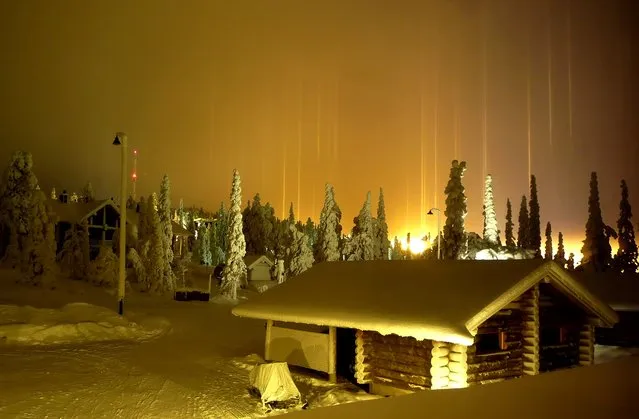
Mysterious Light Pillar

A light pillar is a visual phenomenon created by the reflection of light from ice crystals with near horizontal parallel planar surfaces. The light can come from the Sun (usually at or low to the horizon) in which case the phenomenon is called a sun pillar or solar pillar. It can also come from the Moon or from terrestrial sources such as streetlights.
Details
03 May 2014 15:17:00
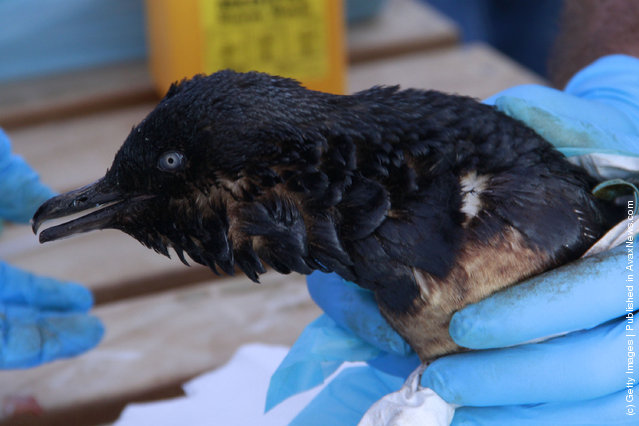
Penguin in oil

A little blue penguin which was found at Papamoa Beach, covered in oil after the Liberian cargo ship, Rena, hit a reef, on October 7, 2011, in Tauranga, New Zealand. Reports of an oil sheen have been spotted on the surface of the water surrounding the ship and two penguins have been found covered in oil. (Photo by SUNLIVE New Zealand/Getty Images)
Details
10 Oct 2011 08:15:00
Egg Sculptures By Franc Grom

Slovenian artist Franc Grom, aged 72, makes unbelievably intricate egg sculptures using just a tiny electric drill and enormous patience. According to National Geographic, when finished, each egg contains approximately 2,500 to 3,500 holes. While Slovene artisans usually paint their eggs using a technique called drsanka by lightly scratching intricate patterns into the surfaces of colored eggs, carving them was solely Grom’s idea.
Details
24 Nov 2016 08:00:00
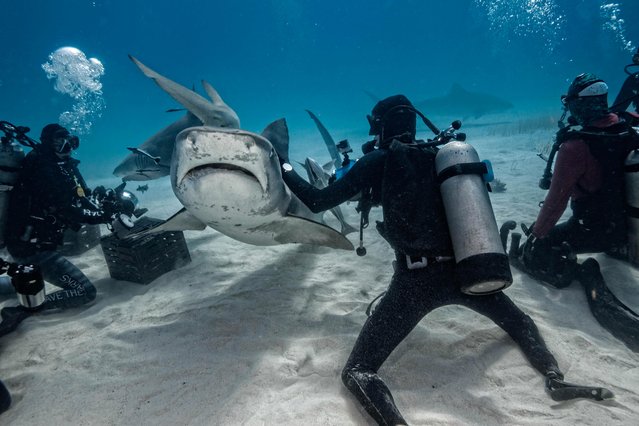
The spectacular sequence shows the divers reaching out and even petting the 500kg predators. (Photo by Steve Hinczynski/Mediadrumworld)

The spectacular sequence shows the divers reaching out and even petting the 1,000-pound predators as the inquisitive beasts happily pose for the camera. Other pictures show the sharks appearing to swim with the divers as they move towards the water’s surface. The photographs were taken at Tiger Beach, Grand Bahama by photographer, Steve Hinczynski (49) from Venice, Florida, USA. To take his images Steve used a Canon 7D Mark II camera equipped with Ikelite underwater housing. (Photo by Steve Hinczynski/Mediadrumworld)
Details
09 Mar 2017 00:01:00
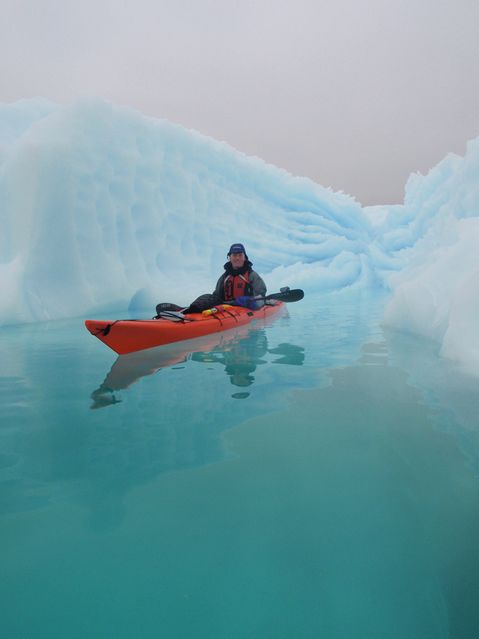
Chasing Ice in Greenland

The Greenland ice sheet is a vast body of ice covering 660,235 sq miles, roughly 80% of the surface of Greenland. It is the second largest ice body in the world, after the Antarctic Ice Sheet. Some scientists predict that climate change may be near a "tipping point" where the entire ice sheet will melt in about 2000 years. If the entire 2,850,000 cubic kilometres (683,751 cu mi) of ice were to melt, it would lead to a global sea level rise of 7.2 m (23.6 ft).
Details
30 Apr 2014 13:15:00
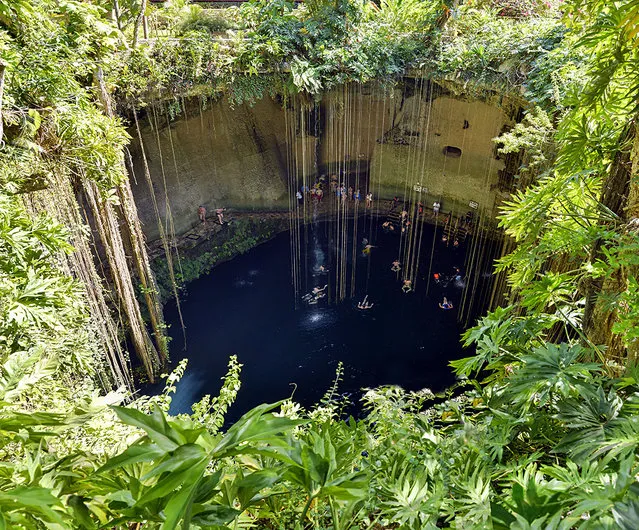
Cenote In Mexico

A cenote is a natural phenomenon, a sinkhole in the Earth’s surface. The Yucatan Peninsula in Mexico has an estimated 7,000 cenotes because it is primarily made up of porous limestone. For millions of years, rainfall slowly ate away at the limestone and a huge system of underground caves and caverns was formed. Many filled with water from rain or from the underground water table. When the roof of a water filled cave collapses, a cenote is born. The water found in a cenote may be fresh water, salt water, or both. Structurally it may be completely open, like a lake, almost completely closed with just a small opening at the top, or somewhere in between.
Details
06 Oct 2013 09:45:00
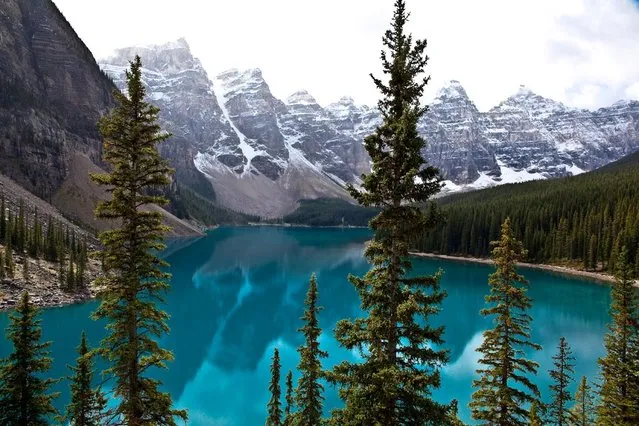
Moraine Lake Canada

Moraine Lake is a glacially-fed lake in Banff National Park, 14 kilometres (8.7 mi) outside the Village of Lake Louise, Alberta, Canada. It is situated in the Valley of the Ten Peaks, at an elevation of approximately 6,183 feet (1,885 m). The lake has a surface area of .5 square kilometres (0.19 sq mi). The lake, being glacially fed, does not reach its crest until mid to late June. When it is full, it reflects a distinct shade of blue. The colour is due to the refraction of light off the rock flour deposited in the lake on a continual basis.
Details
15 Oct 2013 11:56:00