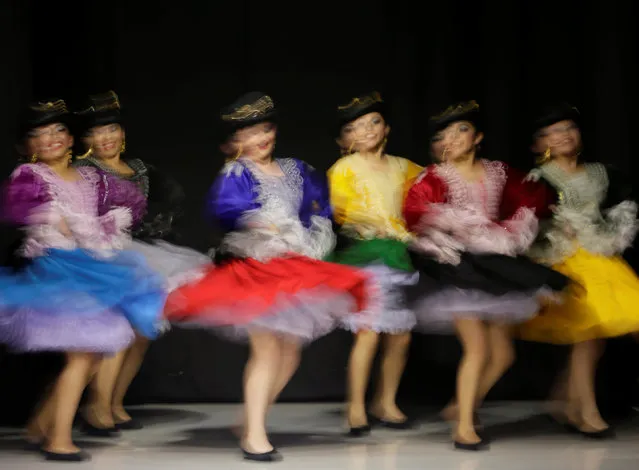
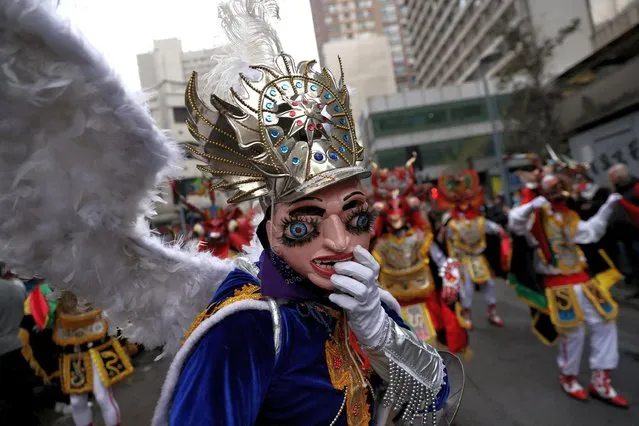
Members of a “Diablada” folk group dance during celebrations of the anniversary of Bolivia foundation, in Santiago, Chile on August 6, 2022. (Photo by Ivan Alvarado/Reuters)
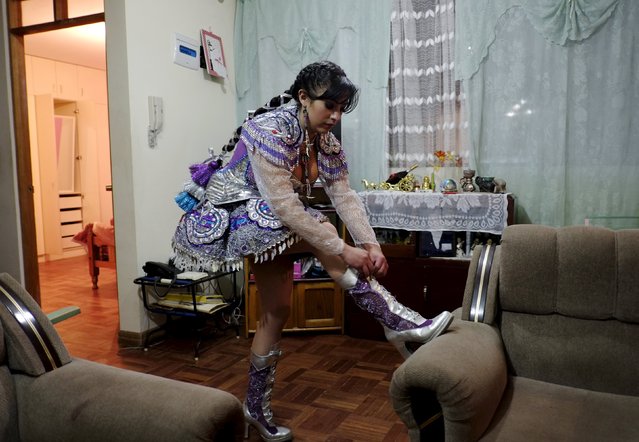
Alicia Vargas, 23, a performer from the Urus Diablada group, tied the laces of her boots before a practice ahead of Carnival in Oruro, Bolivia February 5, 2016. (Photo by David Mercado/Reuters)
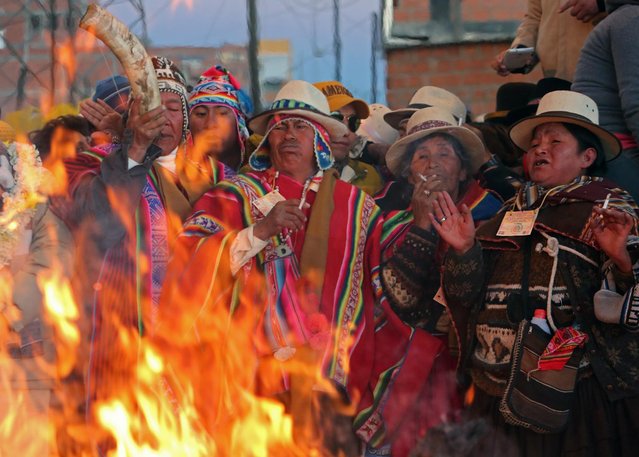
Local priests celebrate the “Aimara New Year”, an Andean Bolivian traditional festival that marks the winter solstice in El Alto, Bolivia, 21 June 2016. Aimara or Aymara means the Return of the Sun. (Photo by Martin Alipaz/EPA)
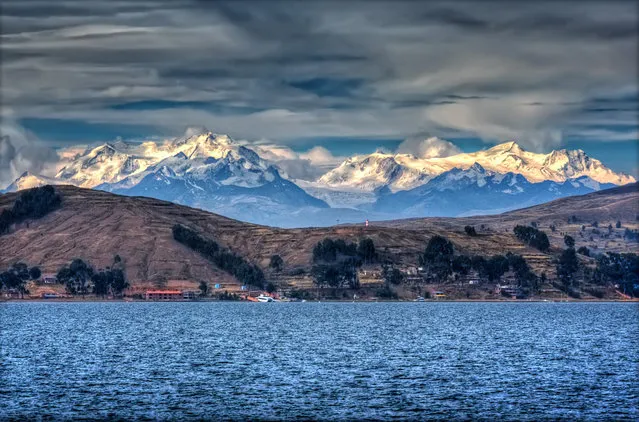
Titicaca or Titiqaqa is a large, deep lake in the Andes on the border of Peru and Bolivia. By volume of water, it is the largest lake in South America. Lake Maracaibo has a larger surface area, though some consider it to be a large brackish bay due to its direct connection with the sea.
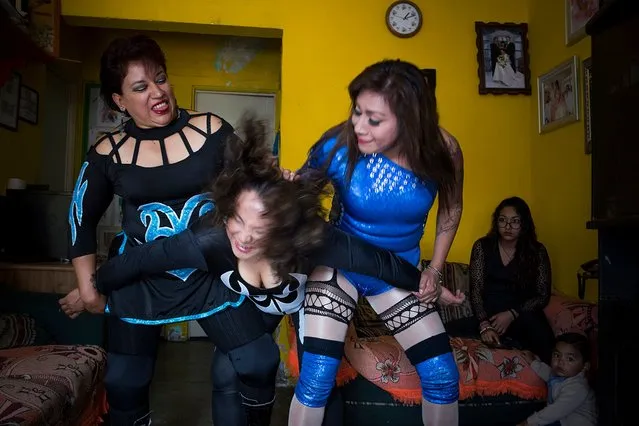
Lucha libre is Mexico’s version of what in the United States refer to as pro wrestling. Its dates to 1863, when a Mexican wrestler named Enrique Ugartechea developed a form of “freestyle” wrestling that was based on Greco-Roman wrestling. Lucha libre began to soar in popularity in Mexico after two Italian businessmen started promoting fights in the early 1900s. It has since become popular around the globe. Here: Juliza meets with colleagues at her home. (Photo by Diana Bagnoli/The Washington Post)
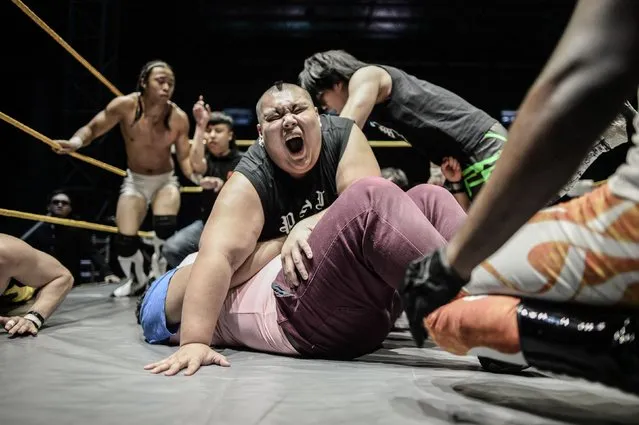
This picture taken on May 21, 2016 shows professional wrestlers fighting each other during the Wrestling City Asia organized by Singapore Pro Wrestling at a stadium in Kuala Lumpur. Kenneth Thexeira is a mild-mannered writer for an interior-design magazine by day, but on certain nights his alter ego bursts forth in golden tights and a baby-blue cape: enter “The Eurasian Dragon”. (Photo by Mohd Rasfan/AFP Photo)