Models pose backstage at the Celia Kritharioti Spring/Summer 2012 fashion show at One Mayfair on March 20, 2012 in London, England. (Photo by Ian Gavan/Getty Images For Celia Kritharioti)
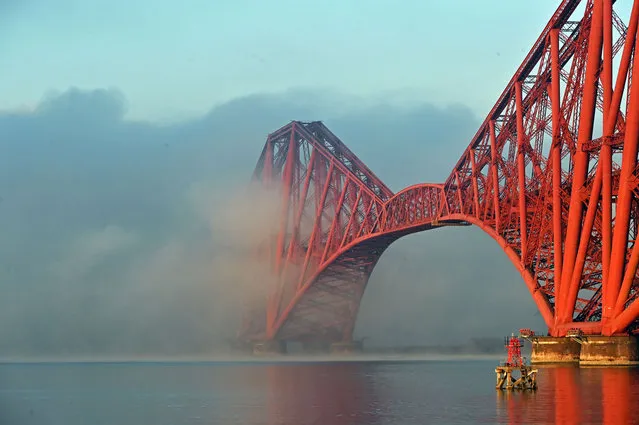
The Forth Bridge is engulfed by mist on one of the coldest days of the year, on December 12, 2022, in Edinburgh, Scotland. (Photo by Ken Jack/Getty Images)
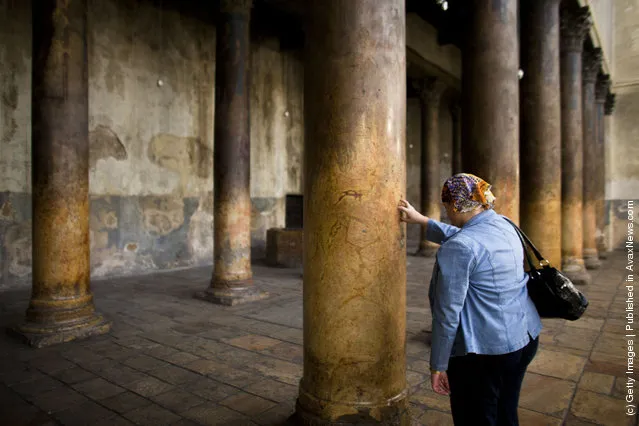
A woman places her fingers into the crucifix-shaped holes in one of the ancient columns in the Church of the Nativity on December 22, 2011 in Bethlehem, West Bank. (Photo by Uriel Sinai/Getty Images)
Do tears of joy look the same as ones of woe—or ones from chopping onions? In “The Topography of Tears,” the Los Angeles-based photographer Rose-Lynn Fisher explores the physical terrain of one hundred tears emitted during a range of emotional states and physical reactions. Using a Zeiss microscope with an attached digital camera, she captures the composition of tears enclosed in glass slides, magnified between 10x and 40x. “There are many factors that determine the look of each tear image, including the viscosity of the tear, the chemistry of the weeper, the settings of the microscope, and the way I process the images afterwards,” she says.
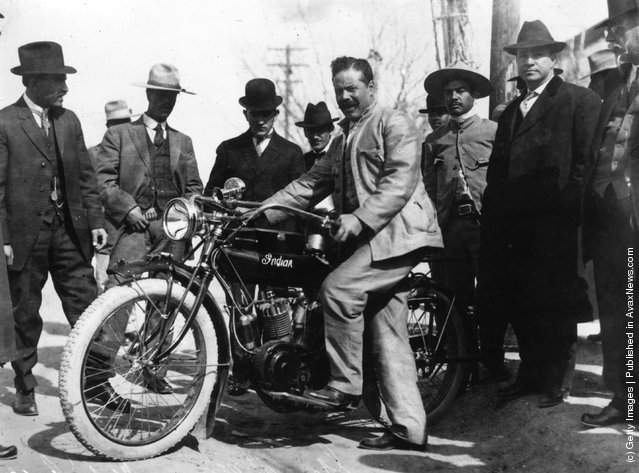
“José Doroteo Arango Arámbula (5 June 1878 – 20 July 1923) – better known by his pseudonym Francisco Villa or its hypocorism Pancho Villa – was one of the most prominent Mexican Revolutionary generals”. – Wikipedia
Photo: Mexican rebel leader Francisco “Pancho” Villa with one of the motorcycles used in the Battle of Torrero. (Photo by Topical Press Agency/Getty Images). August 1914
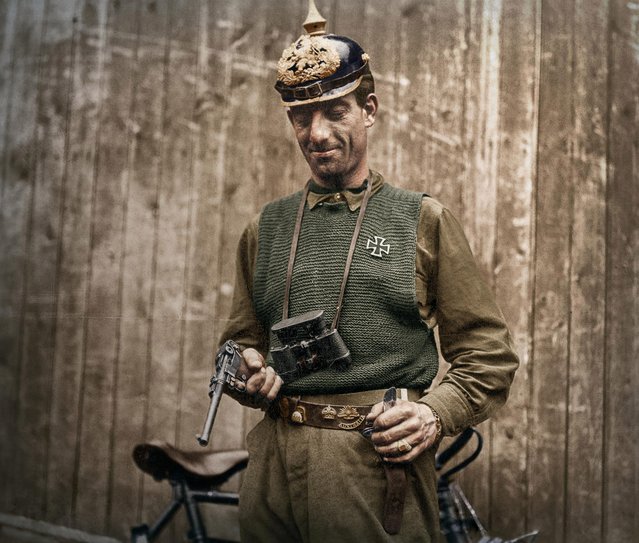
The faces of war have been brought back to life after a series of World War One photographs were expertly colourised. The black and white snaps were painstakingly restored and colourised by photographer Mario Unger (53) from Rotenturm, Austria. Here: One image shows an unidentified American soldier posing with a pistol, helmet, and Iron Cross medal taken from a German soldier, 1918. (Photo by Mario Unger/Mediadrumworld)
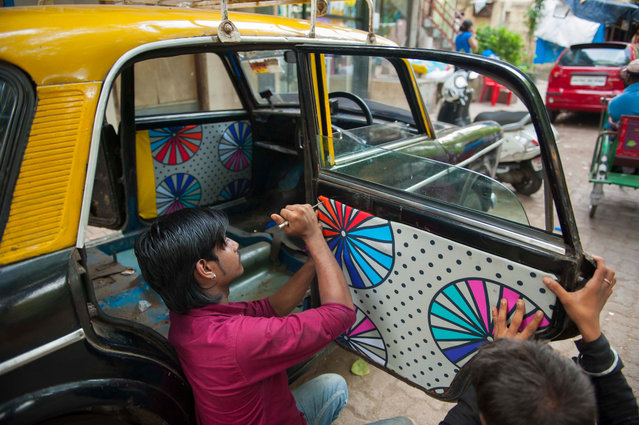
India’s classic Ambassador taxis and juddery auto rickshaws are iconic sights in the cities of the subcontinent. In Mumbai, one project has been using them as canvases for Indian graphic designers, giving them the opportunity to design new interiors for the vehicles. (Photo by Taxi Fabric/The Guardian)