Loading...
Done
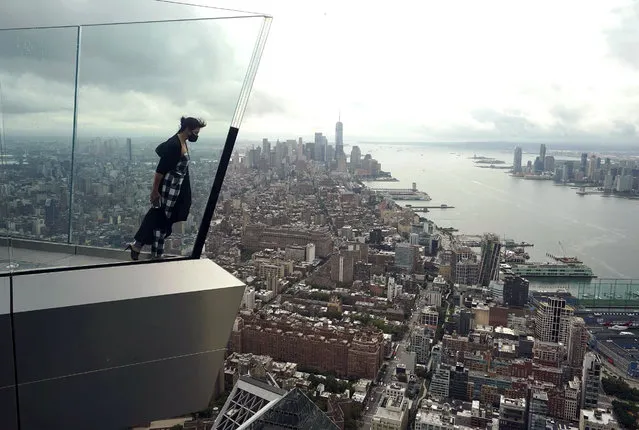
Anissa Barbato from New York looks out over the city from the Edge, the highest outdoor sky deck in the Western Hemisphere on September 2, 2020 as it reopened to the public in New York. Rising 1,131 feet in the air from the heart of Hudson Yards it offers  360-degree views of New York Citys iconic skyline from the 100th floor outdoor viewing. (Photo by Timothy A. Clary/AFP Photo)

Anissa Barbato from New York looks out over the city from the Edge, the highest outdoor sky deck in the Western Hemisphere on September 2, 2020 as it reopened to the public in New York. Rising 1,131 feet in the air from the heart of Hudson Yards it offers 360-degree views of New York Citys iconic skyline from the 100th floor outdoor viewing. (Photo by Timothy A. Clary/AFP Photo)
Details
08 Sep 2020 00:05:00
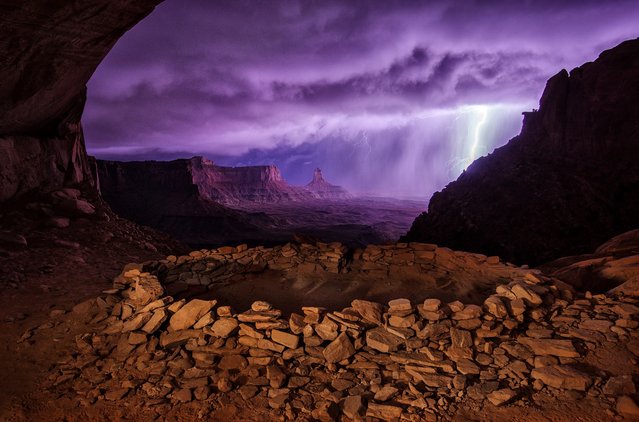
Second Place Winner: “Thunderstorm at False Kiva”. I hiked out to these ruins at night hoping to photograph them with the Milky Way, but instead a thunderstorm rolled through, creating this dramatic image. – Max Seigal. (Photo and caption by Max Seigal/National Geographic Traveler Photo Contest)

Second Place Winner: “Thunderstorm at False Kiva”. I hiked out to these ruins at night hoping to photograph them with the Milky Way, but instead a thunderstorm rolled through, creating this dramatic image. – Max Seigal. National Geographic Traveler Director of Photography Dan Westergren, one of this year's judges, shares his thoughts on the second place winner: “This photo combines two different scenes into one: the small kiva in a cliff dwelling and the grand vista of Canyonlands National Park across the valley. I really like the two different color palettes – warm inside and purple outside. This two-for-one scene was caused by the lightning storm outside the dwelling, which lit up the landscape like it was a huge electronic flash. Looking at this picture I can imagine what a wonderful sight it must have been for the ancient people who lived here. It doesn't seem too amazing now in our modern world, but might have been mind-blowing for the prehistoric residents”. Location: Utah. (Photo and caption by Max Seigal/National Geographic Traveler Photo Contest)

Details
02 Aug 2013 06:16:00
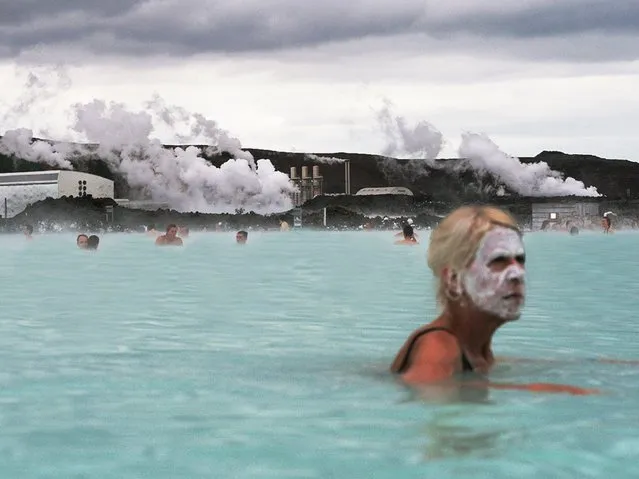
Iceland – Blue Lagoon Geothermal Spa

The Blue Lagoon geothermal spa is one of the most visited attractions in Iceland. The spa is located in a lava field in Grindavík on the Reykjanes Peninsula, southwestern Iceland. Bláa lónið is situated approximately 13 km (8 miles) from the Keflavík International Airport and 39 km (24 miles) from the capital city of Reykjavík. That is roughly a 20 minute drive from the airport and a 40 minute drive from Reykjavík.
Details
05 May 2014 09:41:00
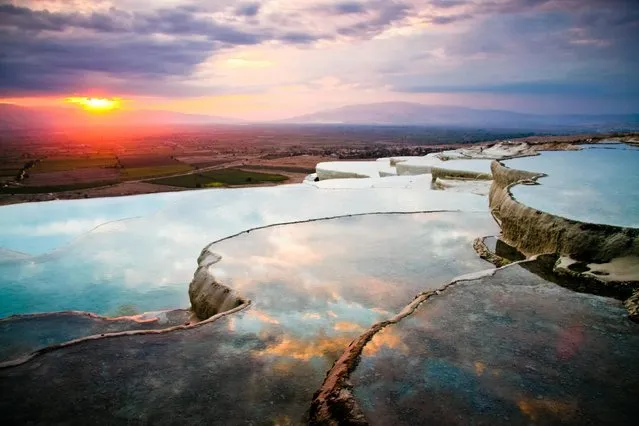
Pamukkale, Turkey, is home to these terrace pools, formed by the build-up of carbonate mineral from the warm water flowing from the thermal springs above. (Photo by Image Courtesy of Jennifer Hayes/Getty Images)

Pamukkale, Turkey, is home to these terrace pools, formed by the build-up of carbonate mineral from the warm water flowing from the thermal springs above. (Photo by Image Courtesy of Jennifer Hayes/Getty Images)
Details
17 Jul 2017 07:59:00
A girl cools off from the heat in water from an open fire hydrant in the Washington Heights section of upper Manhattan in New York City, New York, U.S., July 19, 2019. (Photo by Mike Segar/Reuters)

A girl cools off from the heat in water from an open fire hydrant in the Washington Heights section of upper Manhattan in New York City, New York, U.S., July 19, 2019. (Photo by Mike Segar/Reuters)
Details
27 Jul 2019 00:03:00
This photo taken on October 23, 2022 shows a soap bubble reflecting the Namsan Seoul Tower at Namsan Park in Seoul, South Korea. (Photo by Xinhua News Agency/Rex Features/Shutterstock)

This photo taken on October 23, 2022 shows a soap bubble reflecting the Namsan Seoul Tower at Namsan Park in Seoul, South Korea. (Photo by Xinhua News Agency/Rex Features/Shutterstock)
Details
13 Jun 2024 02:53:00
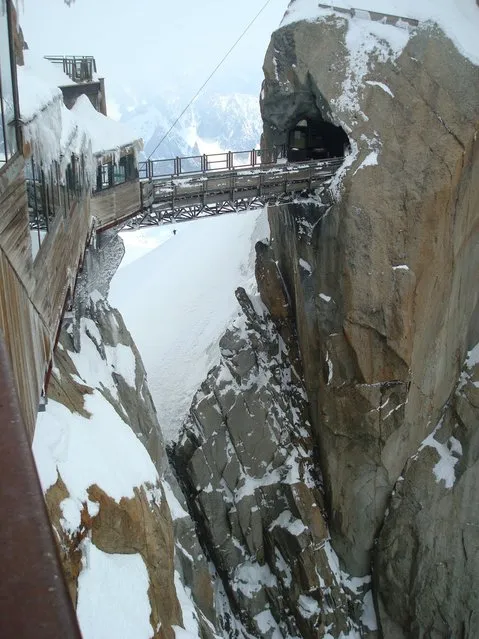
Aiguille du Midi In The French Alps

The name “Aiguille du Midi” translates literally as “Needle of the Noon” or “Needle of the South”. It gets its name from its tapered form and from its position when viewed from Chamonix: it approximately indicates noon when the sun passes over its summit.
Details
27 Dec 2013 10:52:00
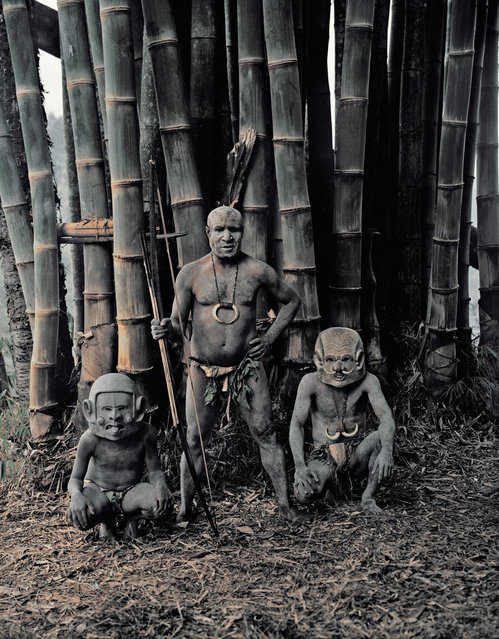
“Asaro from the Eastern Highlands”. The mudmen could not cover their faces with mud because the people of Papua New Guinea thought that the mud from the Asaro river was poisonous. So instead of covering their faces with this alleged poison, they made masks from pebbles that they heated and water from the waterfall, with unusual designs such as long or very short ears either going down to the chin or sticking up at the top, long joined eyebrows attached to the top of the ears, horns and sideways mouths. (Jimmy Nelson)

“Asaro from the Eastern Highlands”. The mudmen could not cover their faces with mud because the people of Papua New Guinea thought that the mud from the Asaro river was poisonous. So instead of covering their faces with this alleged poison, they made masks from pebbles that they heated and water from the waterfall, with unusual designs such as long or very short ears either going down to the chin or sticking up at the top, long joined eyebrows attached to the top of the ears, horns and sideways mouths. (Photo and caption by Jimmy Nelson)
Details
20 Oct 2013 08:54:00