Loading...
Done
Arctic Hare

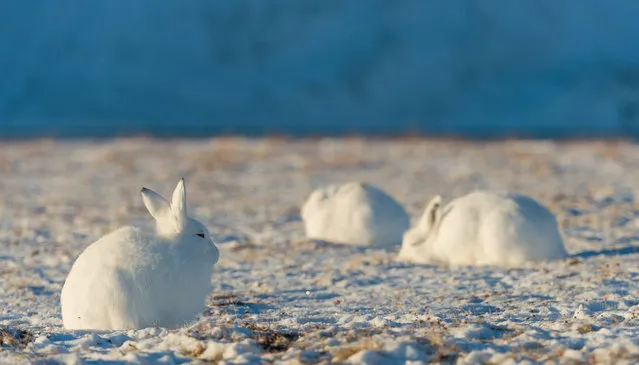
The arctic hare, or polar rabbit, is a species of hare which is adapted largely to polar and mountainous habitats. The arctic hare survives with a thick coat of fur and usually digs holes in the ground or under snow to keep warm and sleep. Arctic hares look like rabbits but have shorter ears, are taller when standing, and, unlike rabbits, can thrive in cold climates. They can travel together with many other hares, sometimes huddling with dozens or more, but are usually found alone, taking, in some cases, more than one partner. The arctic hare can run up to 60 kilometres per hour (40 mph). Its predators include the arctic wolf, arctic fox, and ermine.
Details
17 Mar 2014 13:56:00
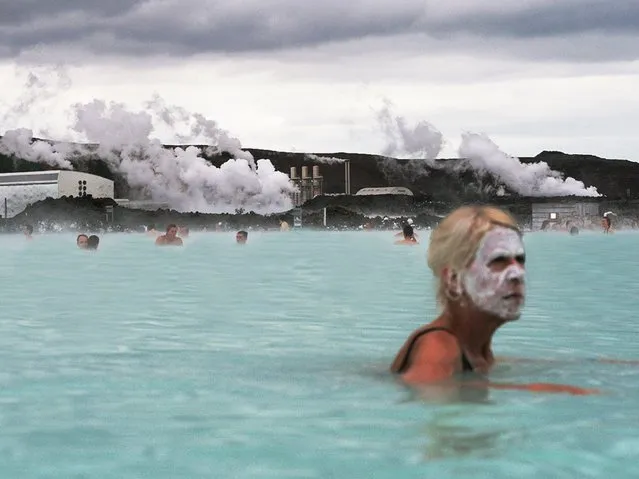
Iceland – Blue Lagoon Geothermal Spa

The Blue Lagoon geothermal spa is one of the most visited attractions in Iceland. The spa is located in a lava field in Grindavík on the Reykjanes Peninsula, southwestern Iceland. Bláa lónið is situated approximately 13 km (8 miles) from the Keflavík International Airport and 39 km (24 miles) from the capital city of Reykjavík. That is roughly a 20 minute drive from the airport and a 40 minute drive from Reykjavík.
Details
05 May 2014 09:41:00
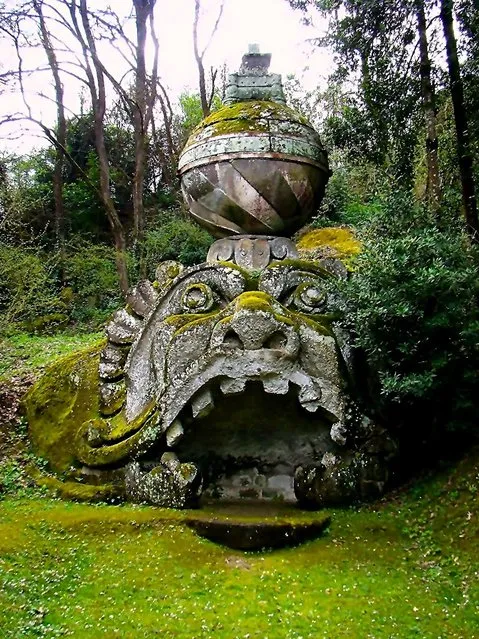
The Park Of Monsters

Bomarzo's main attraction is a garden, usually referred to as the Bosco Sacro (Sacred grove) or, locally, Bosco dei Mostri ("Monsters' Grove"), named after the many larger-than-life sculptures, some sculpted in the bedrock, which populate this predominantly barren landscape.
Details
10 May 2014 11:28:00
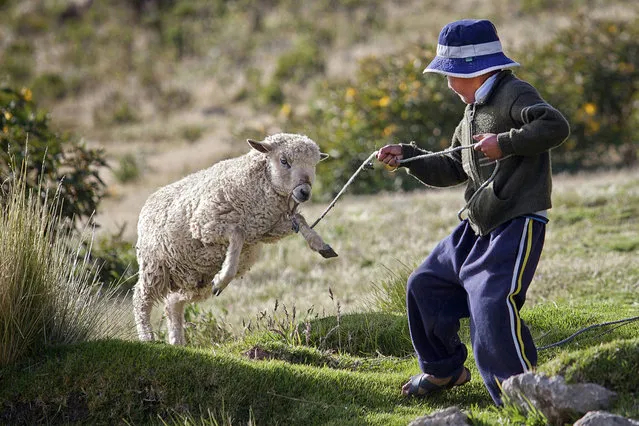
“The Challenge!” Young boy relishes in a game of tug of war before school. Photo location:  Lake Titicaca, Peru. (Photo and caption by Paul Heyman/National Geographic Photo Contest)

“The Challenge!” Young boy relishes in a game of tug of war before school. Photo location: Lake Titicaca, Peru. (Photo and caption by Paul Heyman/National Geographic Photo Contest)
Details
18 Jun 2014 12:40:00
People take part in the “The Burial of the Sardine” funeral procession, which marks the end of carnival festivities, in Madrid, Spain, February 10, 2016. (Photo by Juan Medina/Reuters)

People take part in the “The Burial of the Sardine” funeral procession, which marks the end of carnival festivities, in Madrid, Spain, February 10, 2016. “Mourners” carry a coffin with a mock sardine through the streets to celebrate the countdown to Lent. Spanish painter Francisco de Goya's painting “El entierro de la sardina” (The Burial of the Sardine) was inspired by this tradition, which started in Madrid in the 18th century, around the time of Spanish King Carlos III. (Photo by Juan Medina/Reuters)
Details
11 Feb 2016 12:29:00


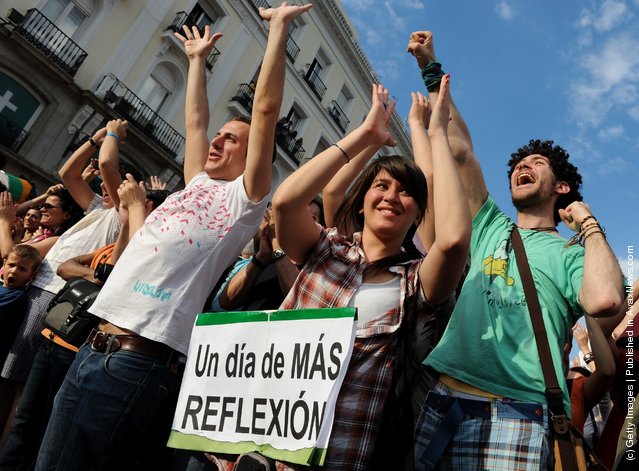
A demonstrator carries a placard reading “One more day of reflection” as she dances with others at Sol Square on May 21, 2011 in Madrid, Spain. A growing number of angry Spaniards have, encouraged by youth groups and social media campaigns, taken possession of the Sol square setting it up with tents and kitchens ahead of Sundays regional and municipal elections held in Spain. (Photo by Jasper Juinen/Getty Images)
Details
22 May 2011 09:47:00
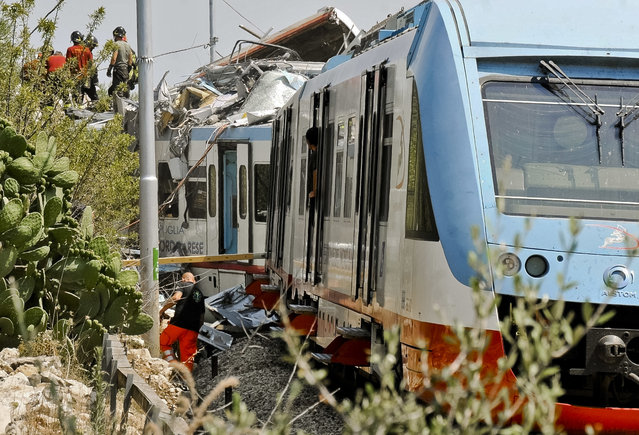
A view of the scene of a train accident after two commuter trains collided head-on near the town of Andria, in the southern region of Puglia, killing several people, Tuesday, July 12, 2016. (Photo by Luca Turi/ANSA via AP Photo)

A view of the scene of a train accident after two commuter trains collided head-on near the town of Andria, in the southern region of Puglia, killing several people, Tuesday, July 12, 2016. (Photo by Luca Turi/ANSA via AP Photo)

Details
13 Jul 2016 14:00:00
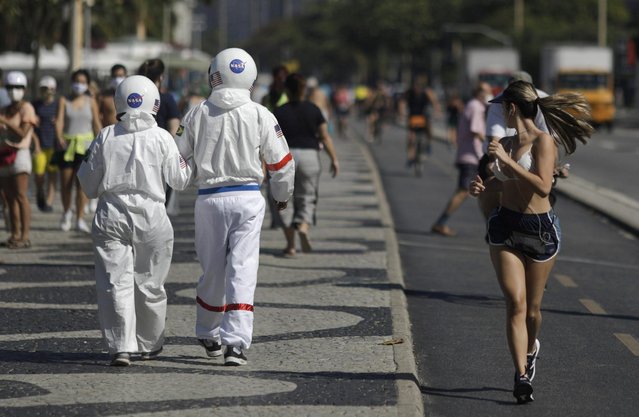
Tercio Galdino, 66, and his wife Aliceia, 65, wear their protective “space suits” as they walk on the sidewalk of Copacabana Beach amid the coronavirus outbreak in Rio de Janeiro, Brazil, July 11, 2020. (Photo by Ricardo Moraes/Reuters)

Tercio Galdino, 66, and his wife Aliceia, 65, wear their protective “space suits” as they walk on the sidewalk of Copacabana Beach amid the coronavirus outbreak in Rio de Janeiro, Brazil, July 11, 2020. (Photo by Ricardo Moraes/Reuters)
Details
25 Nov 2020 00:03:00