Loading...
Done
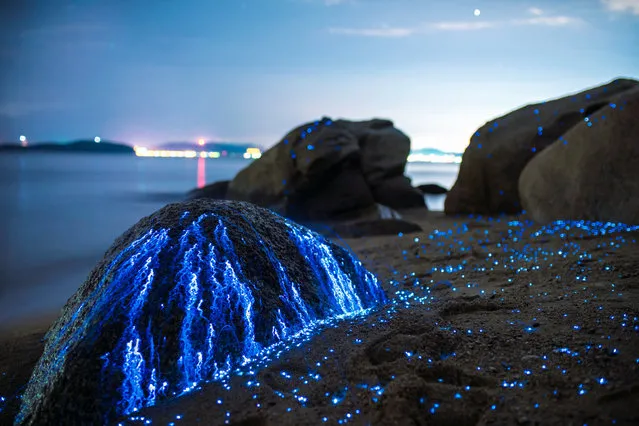
Bioluminescent sea fireflies glittering like diamonds on the rocks and sand. Okayama, Japan. July 2016. (Photo by Trevor Williams/Jonathan Galione/Getty Images)

Those lights are actually bioluminescent shrimp, better known as sea fireflies, or, in Japan, as “umibotaru”. Visible every year from May until the end of October, they live in the sand around very shallow sea water and are often seen floating between the extremes of high and low tides. Here: Bioluminescent sea fireflies glittering like diamonds on the rocks and sand. Okayama, Japan. July 2016. (Photo by Trevor Williams/Jonathan Galione/Getty Images)
Details
23 Aug 2016 10:13:00
Boats of fishermen are seen on the dried Poopo lakebed in the Oruro Department, south of La Paz, Bolivia, December 17, 2015. (Photo by David Mercado/Reuters)

Boats of fishermen are seen on the dried Poopo lakebed in the Oruro Department, south of La Paz, Bolivia, December 17, 2015. Lake Poopo in Bolivia, the Andean nation's formerly second largest after the famed Titicaca, has dried up entirely. With the water now gone, animals have died off in the millions, according to studies. And the local families, having lost much of their sustenance, have been forced to migrate. (Photo by David Mercado/Reuters)
Details
20 Dec 2015 08:04:00
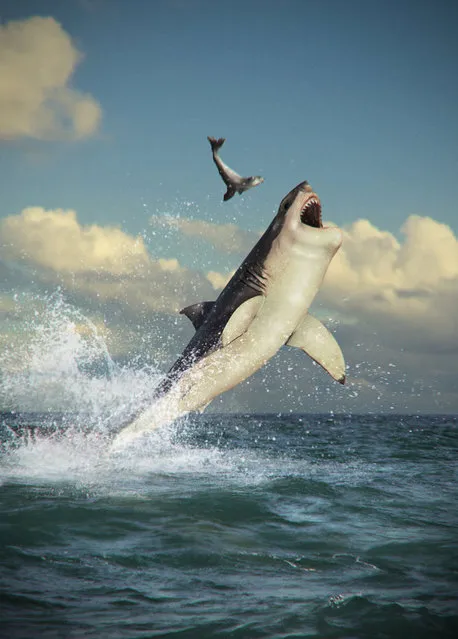
Perfect Predators: White Sharks

The great white shark, Carcharodon carcharias, also known as the great white, white pointer, white shark, or white death, is a species of large lamniform shark which can be found in the coastal surface waters of all the major oceans. The great white shark is mainly known for its size, with the largest individuals known to have approached or exceeded 6 m (20 ft) in length, and 2,268 kg (5,000 lb) in weight. This shark reaches its maturity around 15 years of age and can have a life span of over 30 years.
Details
01 Apr 2013 10:02:00
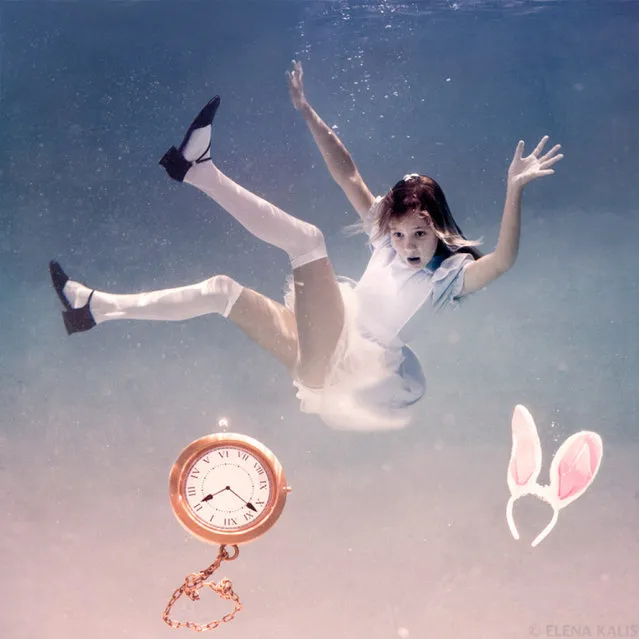
“Alice in Waterland” by Photographer Elena Kalis

“Alice in Waterland” is a beautiful series of photographs re-imagining the Lewis Carroll classic underwater. It’s a creation of photographer Elena Kalis, who lives on a small island in The Bahamas, surrounded, she says, “by pristine clear warm water. Underwater is where I spend a lot of time; snorkeling, diving, photographing. It is fascinating how the world changes down below: light, sound, gravity and proportions are different from what we are used to”. (Photo by Elena Kalis)
Details
02 Aug 2013 10:31:00
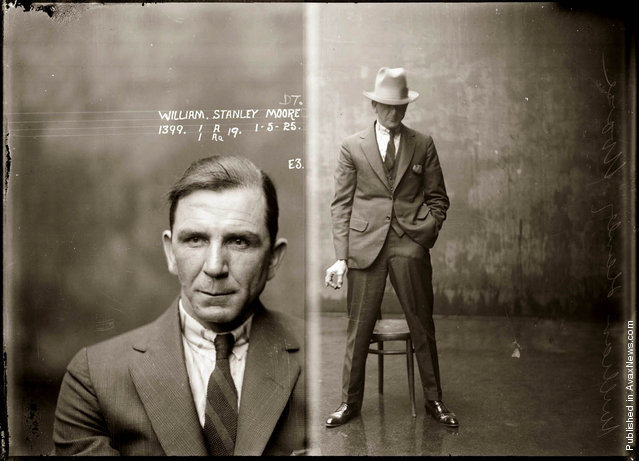
Mug shot of William Stanley Moore, 1 May 1925, Central Police Station, Sydney

Mug shot of William Stanley Moore, 1 May 1925, Central Police Station, Sydney. This picture appears in the Photo Supplement to the NSW Police Gazette, 28 July, 1926 captioned: “Opium dealer. Operates with large quantities of faked opium and cocaine. A wharf labourer; associates with water front thieves and drug traders”. (Photo by NSW Police Forensic Photography Archive, Justice & Police Museum, Histiric Houses Trust of NSW)
Details
24 Apr 2012 11:46:00
Art Toast Project By Ida Skivenes

Many parents know the stubborn reluctance of children to start breakfast, and adults themselves sometimes miss the morning meal. But the situation would look very different if they had the opportunity every day to enjoy the mouth-watering pictures on the plates, which are of conventional products creates by Ida Skivenes.


See Also: Food Artist Hong Yi
Details
29 Apr 2013 10:02:00
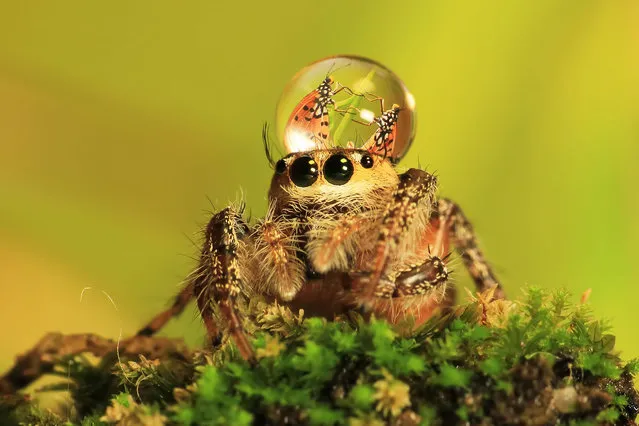
Incredible raindrops on spiders by photographer Uda Dennie

The amazing images, which show the balls of water reflecting an array of colours and even other insects, were snapped by photographer Uda Dennie in his garden. One of the massive droplets even stayed in shape for about a minute before the spider scurried off. Dennie, 33, from Batam Island, Indonesia, said: “I was really surprised to get such amazing pictures – it was really wonderful. I have a real passion for macro photography and after lots of trial and error I'm now able to produce good images – perseverance really paid off”. (Photo by Uda Dennie)
Details
28 Jul 2013 10:01:00
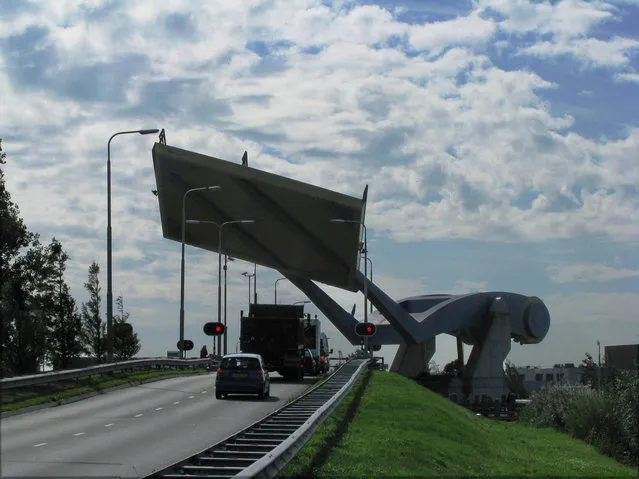
Slauerhoff Bridge, Netherlands

The Slauerhoffbrug (English: Slauerhoff Bridge) is a fully automatic bascule bridge (aka tail bridge) in the city of Leeuwarden in the Netherlands. It uses two arms to swing a section of road in and out of place within the road itself. It is also known as the “Slauerhoffbrug ‘Flying’ Drawbridge”. A tail bridge can quickly and efficiently be raised and lowered from one pylon (instead of hinges). This quickly allows water traffic to pass while only briefly stalling road traffic. The deck is 15 m by 15 m. It is painted in yellow and blue, representative of Leeuwarden's flag and seal.
Details
06 Nov 2013 10:34:00