Loading...
Done
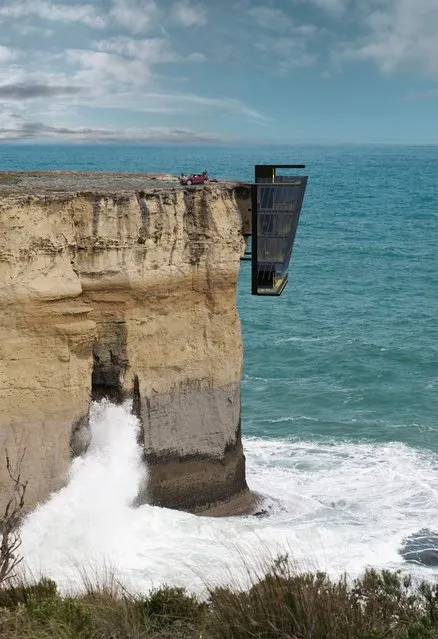
Cliff Yous By Modscape

Modscape creates beautifully simplistic prefabricated homes. The Cliff House by Modscape ($TBA) is their latest concept and it’s absolutely breathtaking. The home was created as a vacation getaway and as a complete extension of the natural environment.
Details
12 Sep 2014 09:38:00


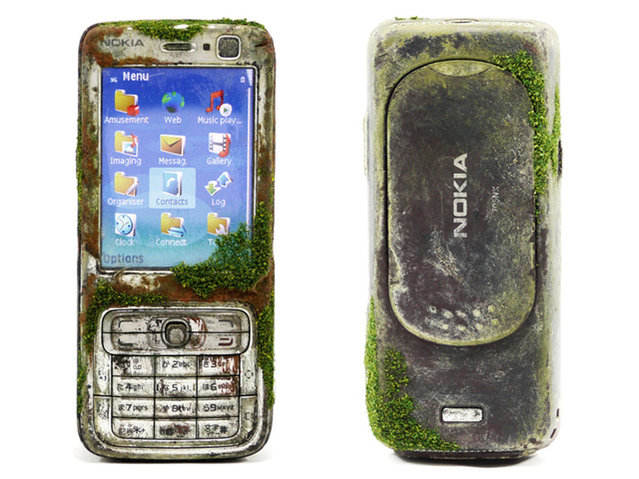
The concept is pretty straightforward – imagining what everyday items might look like in 100 years. In an apocalyptic kind of way. The realness of her paints are mind-boggling.
Details
27 Mar 2013 07:50:00
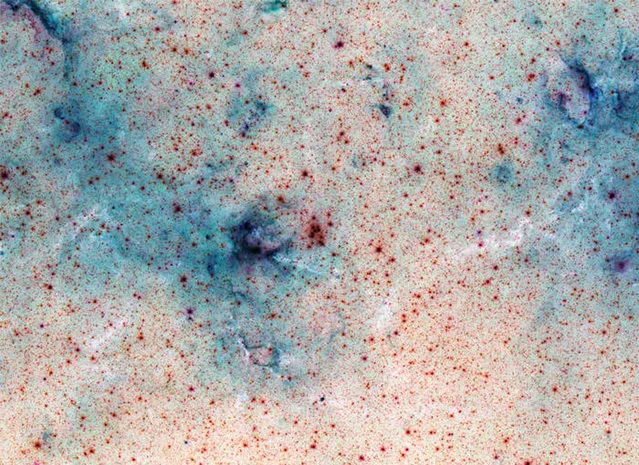
Negative Space - Mungo Thomson

Mungo Thomson is a contemporary visual concept artist from Los Angeles. His work can be described as simple but fascinating. His interest in what he calls ‘the dumb idea’, something simple but interesting, makes his art so special.
Details
10 Jun 2013 09:53:00
Photographers: Darrell Eager

“When you think of Darrell Eager, you think of a journeyman photographer with taste and a talent for conceptual thinking. Darrell's great at working with vague ideas and concepting back and forth until they become real and concrete, appropriate for each project”.
Details
20 Mar 2012 11:03:00
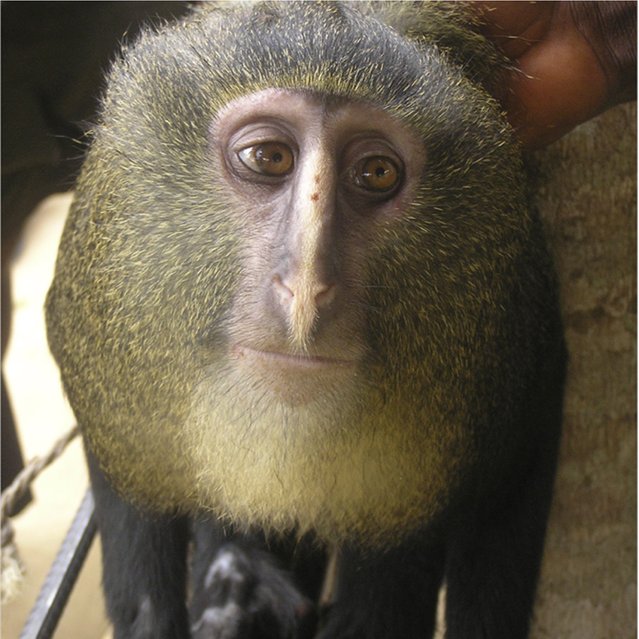
A new species of monkey found in the Democratic Republic of the Congo and identified as Lesula (Cercopithecus lomamiensis) is seen in this undated photograph from an article published September 12, 2012 in the science journal PLOS One. (Photo by Hart J. A., Detwiler K. M., Gilbert C. C./Reuters)

A new species of monkey found in the Democratic Republic of the Congo and identified as Lesula (Cercopithecus lomamiensis) is seen in this undated photograph from an article published September 12, 2012 in the science journal PLOS One. The monkey was first seen in 2007 by researchers John and Terese Hart of the Peabody Museum of Natural History at Yale Research Project. The finding of C. lomamiensis represents only the second new species of African monkey to be discovered in the past 28 years, according to the research article. (Photo by Hart J. A., Detwiler K. M., Gilbert C. C./Reuters)
Details
27 Sep 2012 08:17:00


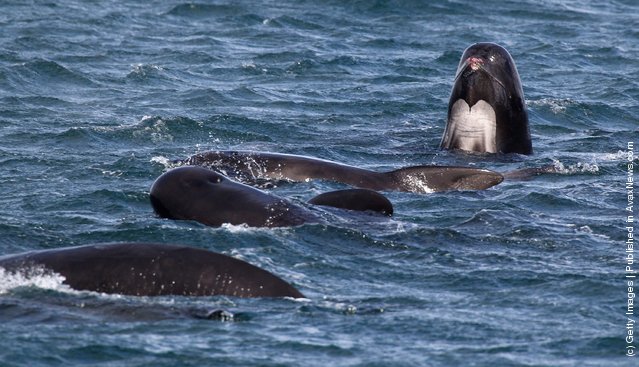
“Pilot whales are cetaceans belonging to the genus Globicephala. There are two extant species, the long-finned pilot whale (G. melas) and the short-finned pilot whale (G. macrorhynchus). The two are not readily distinguished at sea and analysis of the skulls is the best way to tell the difference between the two species. Between the two species, pilot whales range in waters nearly worldwide with long-finned pilot whales living in cooler waters and short-finned pilot whales living in warmer waters. Pilot whales are among the largest of the oceanic dolphins, exceeded in size only by the killer whale. They and other large members of the dolphin family are also known as blackfish”. – Wikipedia

Photo: Pilot whales swim in Loch Carron on May 20, 2011 in South Uist, Scotland. A major operation is underway to prevent up to 100 pilot whales from stranding on the rocky shoreline of Loch Carron on South Uist in the Western Isles. (Photo by Jeff J Mitchell/Getty Images)

Details
21 May 2011 07:58:00
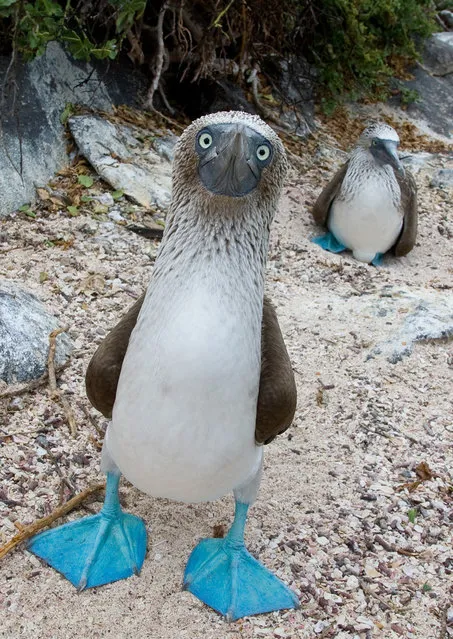
Blue-Footed Booby

The blue-footed booby (Sula nebouxii) is a marine bird in the family Sulidae, which includes ten species of long-winged seabirds. Blue-footed boobies belong to the genus Sula, which comprises six species of boobies. It is easily recognizable by its distinctive bright blue feet, which is a sexually selected trait. Males display their feet in an elaborate mating ritual by lifting their feet up and down while strutting before the female.

See Also: Red
Details
03 Oct 2014 12:42:00
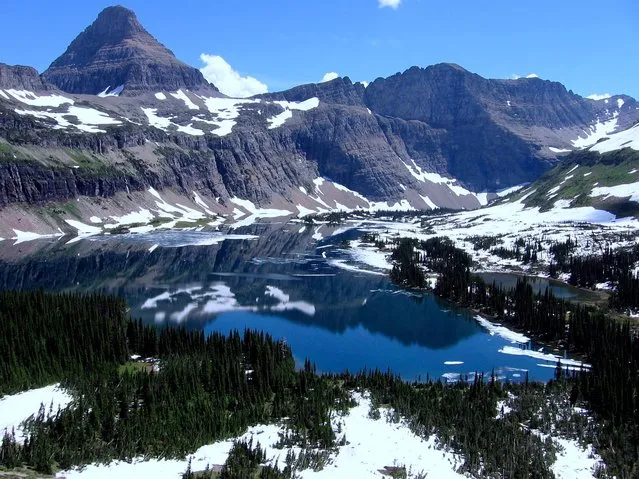
Glacier National Park Montana

Glacier National Park is a national park located in the U.S. state of Montana, on the Canada–United States border with the Canadian provinces of Alberta and British Columbia. The park encompasses over 1,000,000 acres (4,000 km2) and includes parts of two mountain ranges (sub-ranges of the Rocky Mountains), over 130 named lakes, more than 1,000 different species of plants and hundreds of species of animals. This vast pristine ecosystem is the centerpiece of what has been referred to as the "Crown of the Continent Ecosystem", a region of protected land encompassing 16,000 square miles (41,000 km2).
Details
29 Oct 2013 11:13:00