Loading...
Done
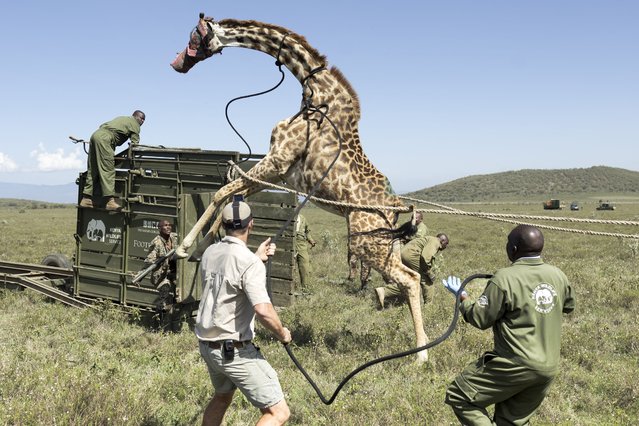
An adult female Masai giraffe rears on its hind legs as it resists efforts by Kenya Wildlife Services (KWS) rangers to guide it into a transportation crate using ropes during an exercise to translocate large herbivores from Kedong Ranch due to land subdivisions and corralling that have disrupted wildlife migratory routes in Naivasha, Nakuru County, on November 16, 2025. Driven by two long ropes held by about twenty rangers, the blindfolded giraffe enters a tall trailer that is to transport it out of its natural habitat in the Rift Valley, which is deteriorating after having been resold. This is the first step in a meticulous relocation operation in the vast Kedong ranch, part of an ancestral corridor between Mount Longonot and Hell's Gate Park, near the iconic Lake Naivasha. (Photo by Tony Karumba/AFP Photo)

An adult female Masai giraffe rears on its hind legs as it resists efforts by Kenya Wildlife Services (KWS) rangers to guide it into a transportation crate using ropes during an exercise to translocate large herbivores from Kedong Ranch due to land subdivisions and corralling that have disrupted wildlife migratory routes in Naivasha, Nakuru County, on November 16, 2025. Driven by two long ropes held by about twenty rangers, the blindfolded giraffe enters a tall trailer that is to transport it out of its natural habitat in the Rift Valley, which is deteriorating after having been resold. This is the first step in a meticulous relocation operation in the vast Kedong ranch, part of an ancestral corridor between Mount Longonot and Hell's Gate Park, near the iconic Lake Naivasha. (Photo by Tony Karumba/AFP Photo)
Details
23 Nov 2025 06:26:00
Drum queen of the Unidos do Viradouro samba school Erika Januza performs during the first night of the Carnival parade at the Sambadrome in Rio de Janeiro, Brazil, April 23, 2022. (Photo by Amanda Perobelli/Reuters)

Drum queen of the Unidos do Viradouro samba school Erika Januza performs during the first night of the Carnival parade at the Sambadrome in Rio de Janeiro, Brazil, April 23, 2022. (Photo by Amanda Perobelli/Reuters)
Details
26 Apr 2022 05:15:00
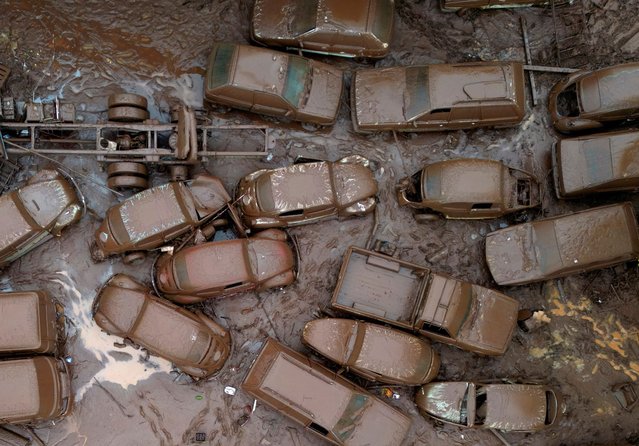
A drone view shows vehicles in the area affected by the floods, in Encantado, Rio Grande do Sul state, Brazil, on May 3, 2024. (Photo by Diego Vara/Reuters)

A drone view shows vehicles in the area affected by the floods, in Encantado, Rio Grande do Sul state, Brazil, on May 3, 2024. (Photo by Diego Vara/Reuters)
Details
23 May 2024 05:27:00
American actress Sydney Sweeney and a pal have a “little london getaway” while doing facemasks in a hot tub on December 10, 2025. (Photo by sydneysweeney/instagram)

American actress Sydney Sweeney and a pal have a “little london getaway” while doing facemasks in a hot tub on December 10, 2025. (Photo by sydneysweeney/instagram)
Details
06 Jan 2026 16:50:00
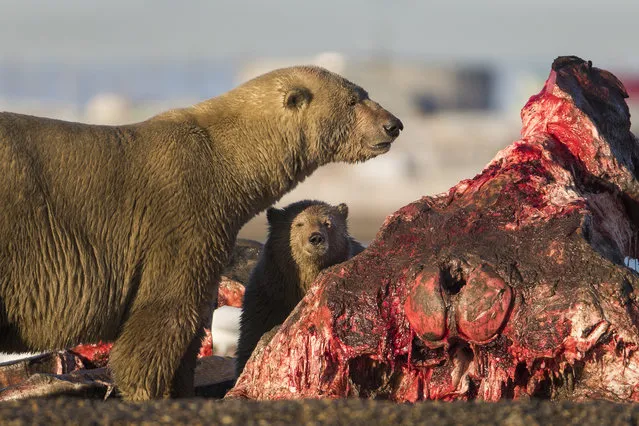
Polar bears prepare to feast on the remains of a bowhead whale, harvested legally by whalers during their annual subsistence hunt, just outside the Inupiat village of Kaktovik, Alaska, USA, 10 September 2017. (Photo by Jim Lo Scalzo/EPA/EFE)

Polar bears prepare to feast on the remains of a bowhead whale, harvested legally by whalers during their annual subsistence hunt, just outside the Inupiat village of Kaktovik, Alaska, USA, 10 September 2017. As climate change shrinks their natural habitat, polar bears are turning Kaktovik into their very own sanctuary city. (Photo by Jim Lo Scalzo/EPA/EFE)
Details
28 Sep 2017 07:33:00
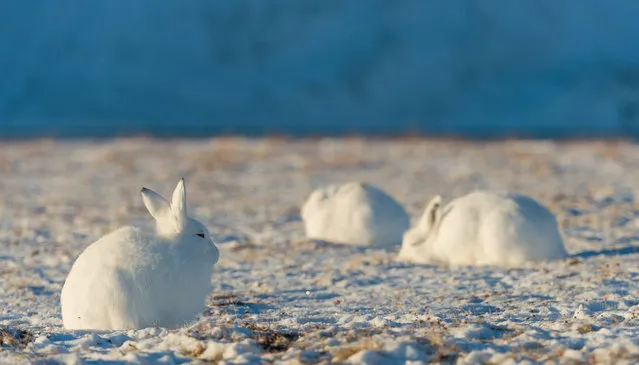
Arctic Hare

The arctic hare, or polar rabbit, is a species of hare which is adapted largely to polar and mountainous habitats. The arctic hare survives with a thick coat of fur and usually digs holes in the ground or under snow to keep warm and sleep. Arctic hares look like rabbits but have shorter ears, are taller when standing, and, unlike rabbits, can thrive in cold climates. They can travel together with many other hares, sometimes huddling with dozens or more, but are usually found alone, taking, in some cases, more than one partner. The arctic hare can run up to 60 kilometres per hour (40 mph). Its predators include the arctic wolf, arctic fox, and ermine.
Details
17 Mar 2014 13:56:00
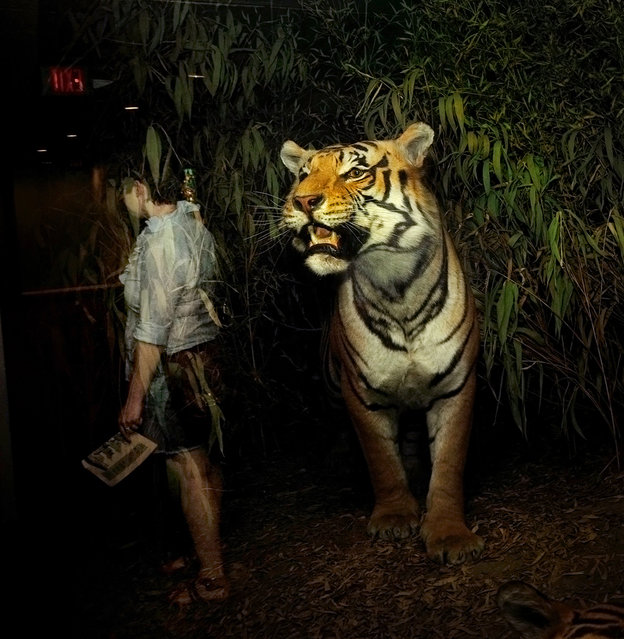
“Natural History”: Tiger. (Photo by Traer Scott)

“Natural History” is a series of completely candid single exposure images that merge the living and the dead to create allegorical narratives of our troubled co-existence with nature. Ghost-like reflections of modern visitors viewing wildlife dioramas are juxtaposed against the antique taxidermied subjects housed behind thick glass, their faces molded into permanent expressions of fear, aggression or fleeting passivity. After decades of over-hunting, climate change, poaching and destruction of habitat, many of these long dead diorama specimens now represent endangered or completely extinct species”. – Traer Scott. (Photo by Traer Scott)
Details
27 Oct 2014 11:39:00
Polar Bear Photo Steven Kazlowski

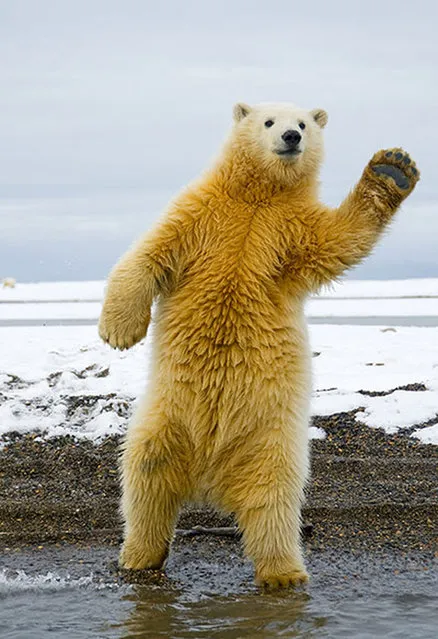
The polar bear — a charismatic icon in the struggle against climate change — faces a precarious future along with other ice-dependent species as its Arctic habitat rapidly continues to melt away.

With camera in hand, wildlife photographer Steven Kazlowski has dedicated over eight years of work to bring to life the immediate reality of this most pressing environmental crisis — the devastation of the Arctic ecosystem through global warming.
Details
18 Oct 2012 10:14:00