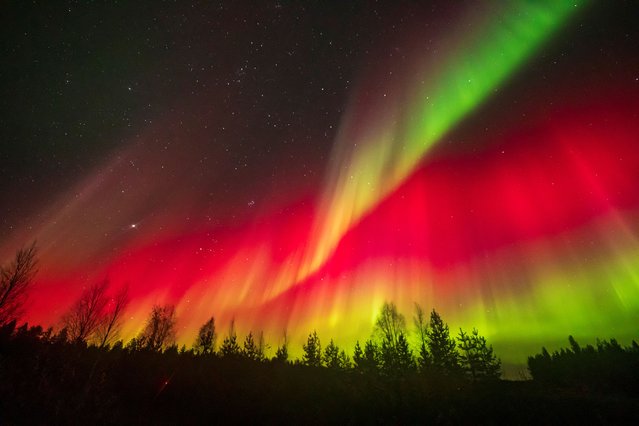
A view of northern lights over the skies of Sodankyla, Lapland, Finland, on October 7, 2024. (Photo by Alexander Kuznetsov/All About Lapland/Handout via Reuters)
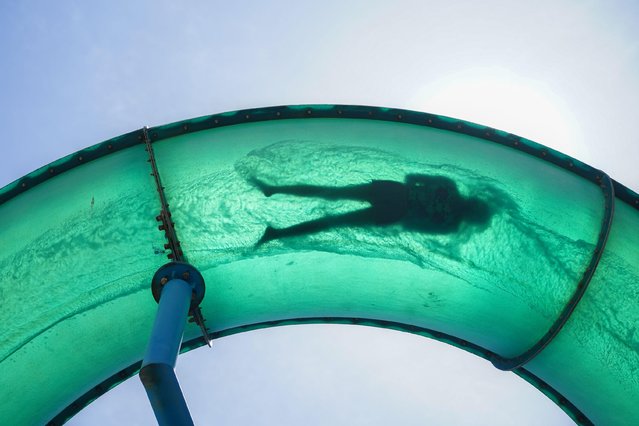
Everly Base, six, sees the funny side of a TV carol-singing performance with her classmates in which her father had dared her to cross her eyes while she sang in Yate, Gloucestershire, UK on December 19, 2024. (Photo by Tom Wren/South West News Service)
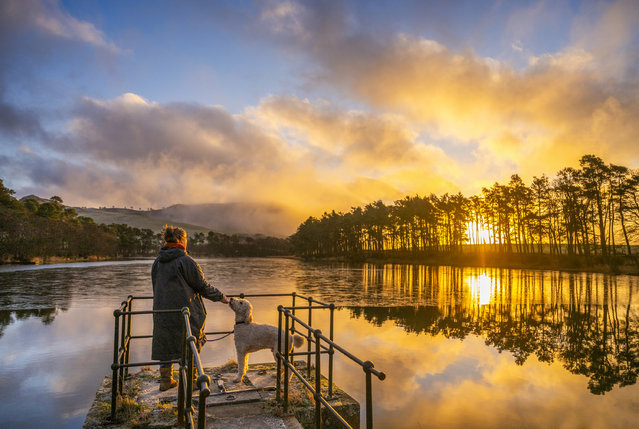
Sandy Bell stands with her golden doodle dog Ozzy looking out at the golden sunrise breaking through the tree on a cold and frosty morning at Bowden Loch near Melrose in the Scottish Borders, South Scotland on February 7, 2025. (Photo by Phil Wilkinson/The Times)
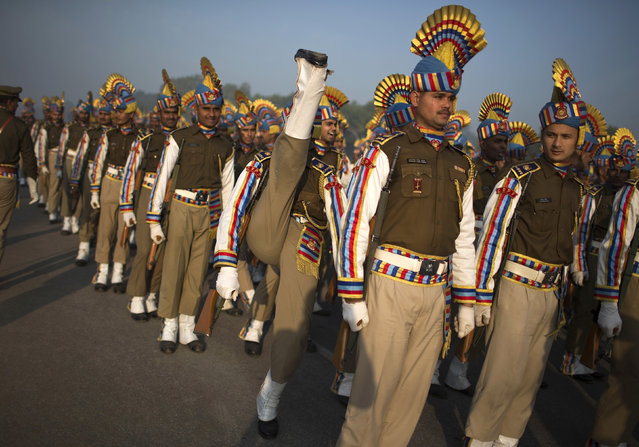
India's Central Reserve Police Force personnel take part in a rehearsal for the Republic Day parade on a cold winter morning in New Delhi January 8, 2014. (Photo by Ahmad Masood/Reuters)
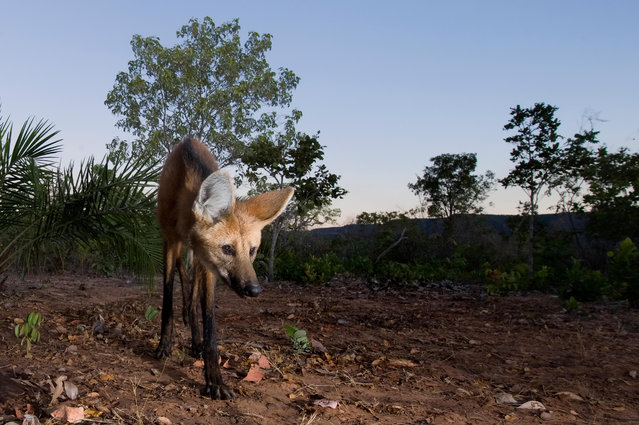
Global wildlife populations will decline by 67% by 2020 unless urgent action is taken to reduce human impact on species and ecosystems, warns the biennial Living Planet Index report from WWF (World Wide Fund for Nature) and ZSL (Zoological Society of London). From elephants to eels, here are some of the wildlife populations most affected by human activity. Here: The maned wolf is among the large mammals in the Brazilian Cerrado that are threatened by the increasing conversion of grasslands into farmland for grazing and growing crops. (Photo by Ben Cranke/Nature Picture Library/Alamy Stock Photo)
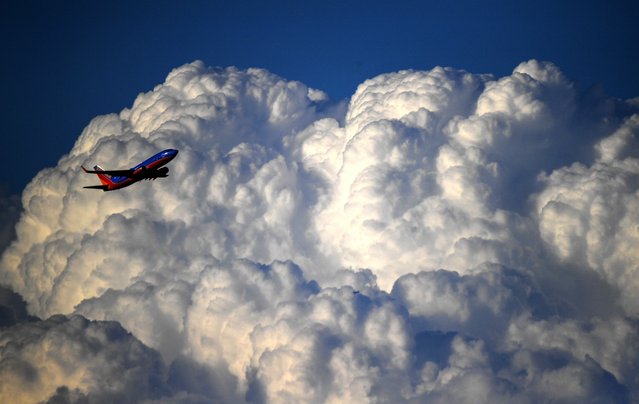
A Southwest Airlines jet takes off from Reagan National Airport with a thunderhead to the east on June 20, 2017 in Alexandria, VA. (Photo by Jonathan Newton/The Washington Post)
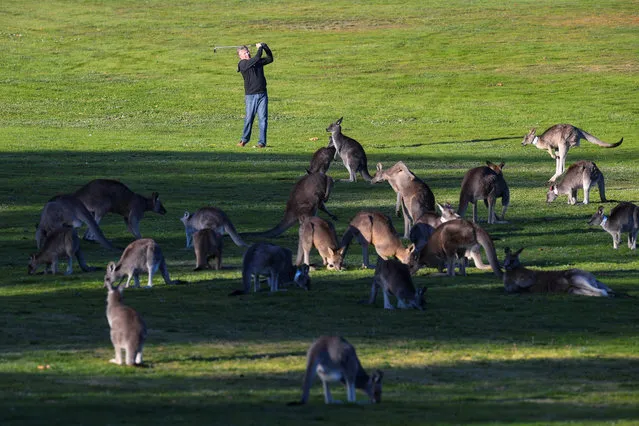
Canberra resident Bruce Gibbons is seen surrounded by grazing kangaroos as he plays a shot during a session on a practice fairway at Gold Creek Golf Club in Canberra, Australia, May 16, 2017. (Photo by Lukas Coch/Reuters/AAP)