Loading...
Done


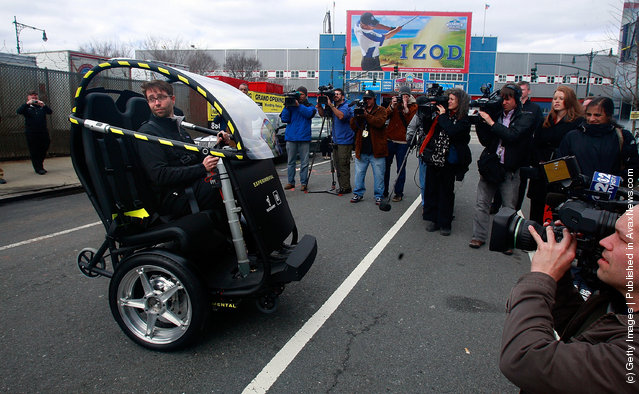
“The Personal Urban Mobility and Accessibility (PUMA) is an experimental electrically powered road vehicle created by Segway and adopted by General Motors as a concept vehicle representing the future of urban transportation. It operates on two wheels placed side-by-side, a layout that differs in placement from motorcycles which instead have their two wheels placed at the front and rear”. – Wikipedia

The Project P.U.M.A. (Personal Urban Mobility and Accessibility) prototype is displayed for the media April 7, 2009 in New York City. (Photo by Mario Tama/Getty Images)
Details
21 Jul 2011 14:32:00
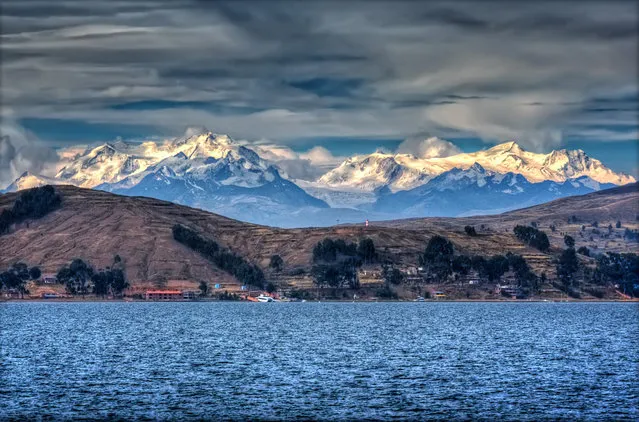
Lake Titicaca

Titicaca or Titiqaqa is a large, deep lake in the Andes on the border of Peru and Bolivia. By volume of water, it is the largest lake in South America. Lake Maracaibo has a larger surface area, though some consider it to be a large brackish bay due to its direct connection with the sea.
Details
22 Jul 2015 12:20:00
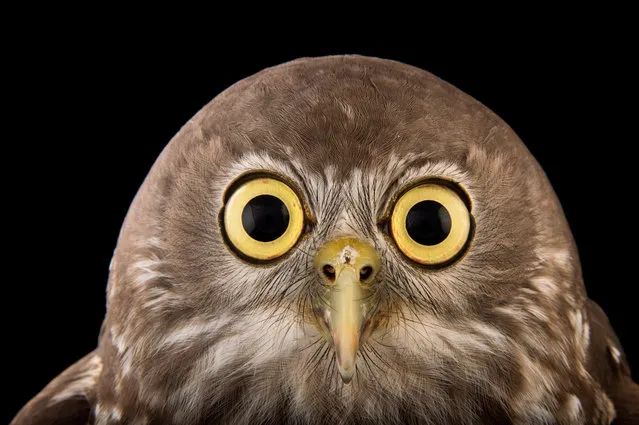
The National Geographic Photo Ark is a travelling exhibition of photographer Joel Sartore’s quest to create a photo archive of biodiversity around the world. So far, Sartore has captured studio portraits of more than 6,000 species – a number that he hopes to double. On 1 July, the ark will open at Melbourne zoo – the first time it has been exhibited in the southern hemisphere. More than 50 portraits will be on display, including many of Australian endangered animals being protected by programs at the zoo itself. These captions have been edited from text supplied by Melbourne zoo. Here: Barking owl. So-named because its call sounds like a barking dog, these birds are native to Australia, Indonesia and Papua New Guinea. In Victoria they are listed as an endangered species, and in 2003 there were estimated to be fewer than 50 breeding pairs. The main threat to the species in Victoria is loss of habitat, especially large trees with hollows in which they can nest and on which many of their prey depend. Apart from a bark, they may utter a chilling scream when they feel threatened. (Photo by Joel Sartore/National Geographic Photo Ark/The Guardian)

The National Geographic Photo Ark is a travelling exhibition of photographer Joel Sartore’s quest to create a photo archive of biodiversity around the world. So far, Sartore has captured studio portraits of more than 6,000 species – a number that he hopes to double. On 1 July, the ark will open at Melbourne zoo – the first time it has been exhibited in the southern hemisphere. More than 50 portraits will be on display, including many of Australian endangered animals being protected by programs at the zoo itself. These captions have been edited from text supplied by Melbourne zoo. Here: Barking owl. (Photo by Joel Sartore/National Geographic Photo Ark/The Guardian)
Details
01 Jul 2017 07:45:00
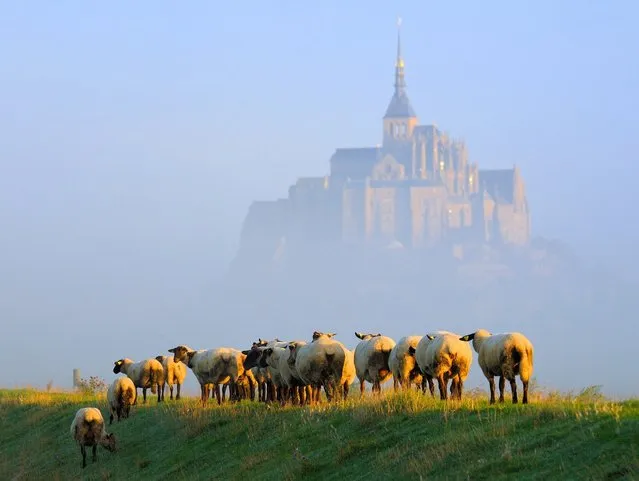
Mont St-Michel In Normandy, France

During the feudal times, the society was very structured where everyone knew their place. Fishermen knew that they would always have to bend their knee for highborn ladies and gentlemen, while the latter considered themselves to be far too superior to even look at the common folk. Mont Saint-Michel is a living memorial of those times. Its structural composition clearly reflects the structure of feudal society: The monastery and abbey were built on the highest point; housing and stores were built some distance below; finally, fishermen’s and farmer’s houses were constructed, not even being within the city walls, making them the most vulnerable to the possible attack.
Details
03 Mar 2015 10:20:00
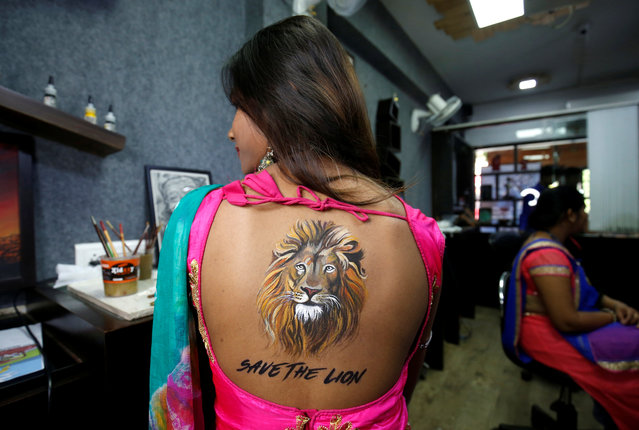
A woman poses after she got an image of a lion tattooed on her back as part of awareness campaign to save Asiatic lions and in preparations for the upcoming Navratri festival in Ahmedabad, India, October 5, 2018. (Photo by Amit Dave/Reuters)

A woman poses after she got an image of a lion tattooed on her back as part of awareness campaign to save Asiatic lions and in preparations for the upcoming Navratri festival in Ahmedabad, India, October 5, 2018. (Photo by Amit Dave/Reuters)
Details
15 Oct 2018 00:05:00
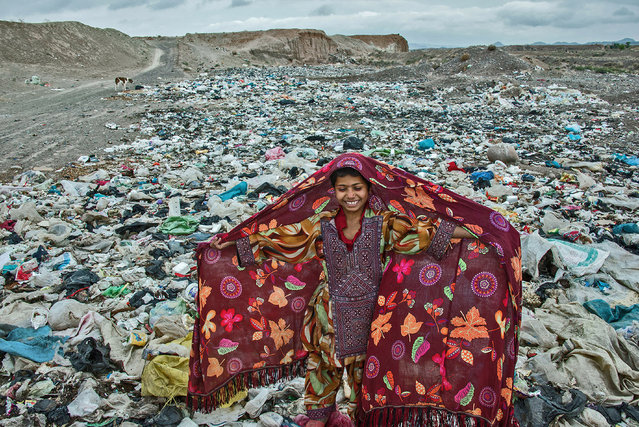
An undated handout image provided by UNICEF Germany on 20 December 2016 shows the “UNICEF Photo of the Year 2016” by Iranian freelance photographer Arez Ghaderi. Ghaderi won the first prize for his picture of a girl in a makeshift tent city in the Razavi Khorasan province, Iran, it was announced at a ceremony in Berlin, Germany on 20 December 2016. (Photo by Ariz Ghaderi/EPA/UNICEF Deutschland)

An undated handout image provided by UNICEF Germany on 20 December 2016 shows the “UNICEF Photo of the Year 2016” by Iranian freelance photographer Arez Ghaderi. Ghaderi won the first prize for his picture of a girl in a makeshift tent city in the Razavi Khorasan province, Iran, it was announced at a ceremony in Berlin, Germany on 20 December 2016. (Photo by Ariz Ghaderi/EPA/UNICEF Deutschland)
Details
23 Nov 2017 08:32:00
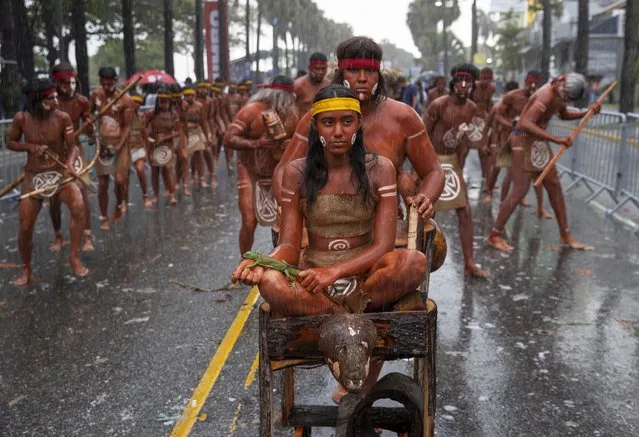
People take part in the 2022 National Carnival Parade, on the Malecon of Santo Domingo, Dominican Republic, 06 March 2022. The first post-pandemic national parade of the Dominican carnival had to appeal this Sunday to its color, enthusiasm and creativity to overcome the inclement rains that delayed and hindered the most popular and unbridled cultural display in the country. (Photo by Orlando Barria/EPA/EFE)

People take part in the 2022 National Carnival Parade, on the Malecon of Santo Domingo, Dominican Republic, 06 March 2022. The first post-pandemic national parade of the Dominican carnival had to appeal this Sunday to its color, enthusiasm and creativity to overcome the inclement rains that delayed and hindered the most popular and unbridled cultural display in the country. (Photo by Orlando Barria/EPA/EFE)
Details
03 Jun 2023 04:16:00
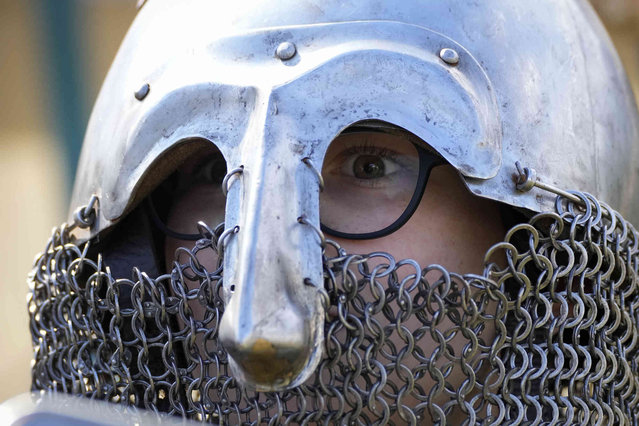
A boy wears a medieval helmet during a festival dedicated to the Day of Russia in St. Petersburg, Russia, Wednesday, June 12, 2024. The Day of Russia is celebrated annually on 12 June. (Photo by Dmitri Lovetsky/AP Photo)

A boy wears a medieval helmet during a festival dedicated to the Day of Russia in St. Petersburg, Russia, Wednesday, June 12, 2024. The Day of Russia is celebrated annually on 12 June. (Photo by Dmitri Lovetsky/AP Photo)
Details
01 Jul 2024 04:16:00