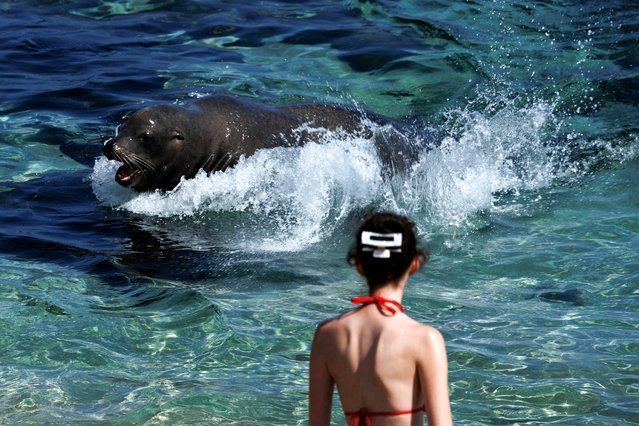
A woman walks into the ocean as a sea lion makes its way to the beach in the La Jolla neighborhood of San Diego, California, on September 3, 2025. (Photo by Mike Blake/Reuters)
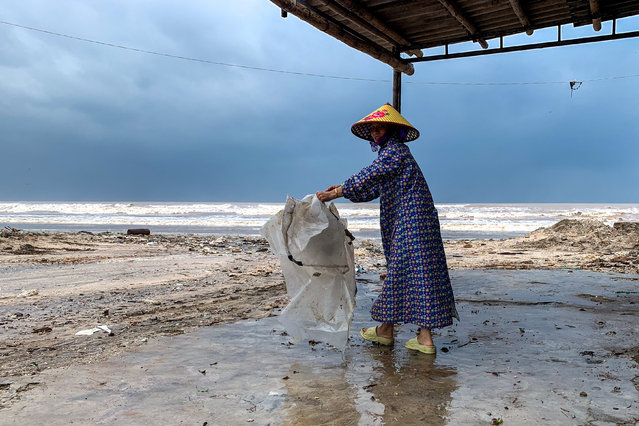
A woman wearing a raincoat collects a plastic bag near a beach as Typhoon Bualoi nears, in Nghe An province, Vietnam, on September 28, 2025. (Photo by Thinh Nguyen/Reuters)
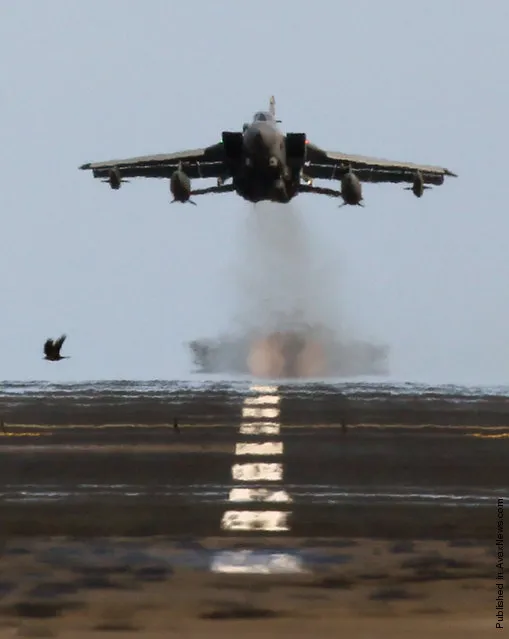
RAF Tornados fly above the Lossiemouth air base on March 18, 2011 in Lossiemouth, Scotland. UK defence forces will help to enforce a no-fly zone over Libya after the UN voted in favour of a resolution that backed 'all necessary measures', except a foreign occupation force, to protect Libyan civilians.
A fan lies passed out on the first day of the Wacken Open Air heavy metal music fest on August 4, 2011 in Wacken, Germany. Approximately 75,000 heavy metal fans from all over the world have descended on the north German village of 1,800 residents for the annual three-day fest. (Photo by Sean Gallup/Getty Images)
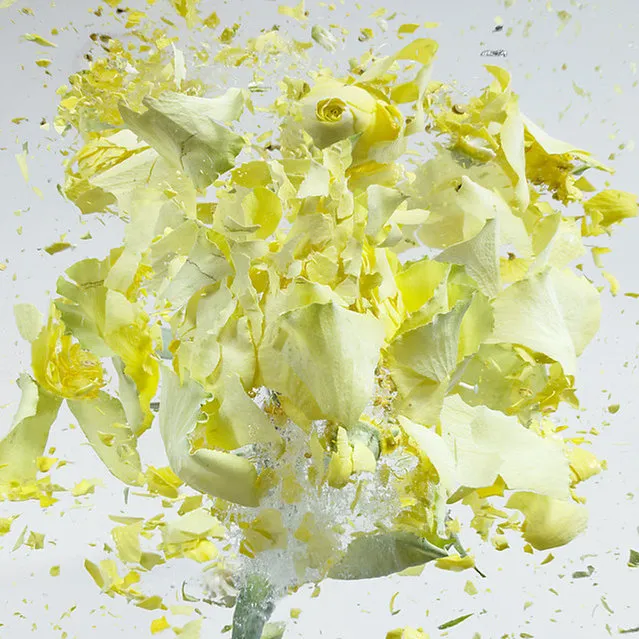
German photographer Martin Klimas, who you may remember from his exploding porcelain figure series, creates breathtaking photos of flowers exploding into a million beautiful pieces. To achieve this effect, he soaks the petals in liquid nitrogen to make them brittle and hits the flower with an air gun.
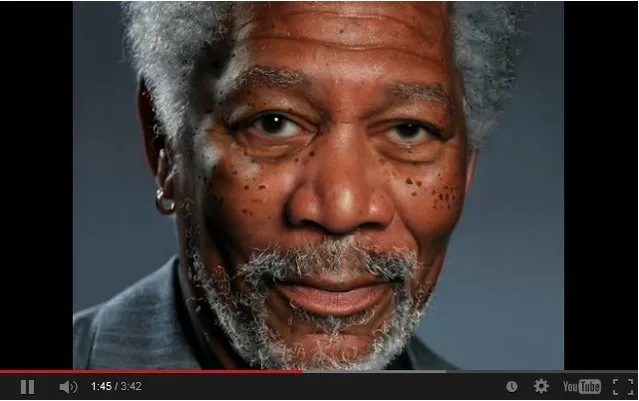
Painted by Kyle Lambert. The world's most realistic finger painting. Using only a finger, an iPad Air and the app Procreate, artist Kyle Lambert has painted a photorealistic portrait of actor Morgan Freeman.
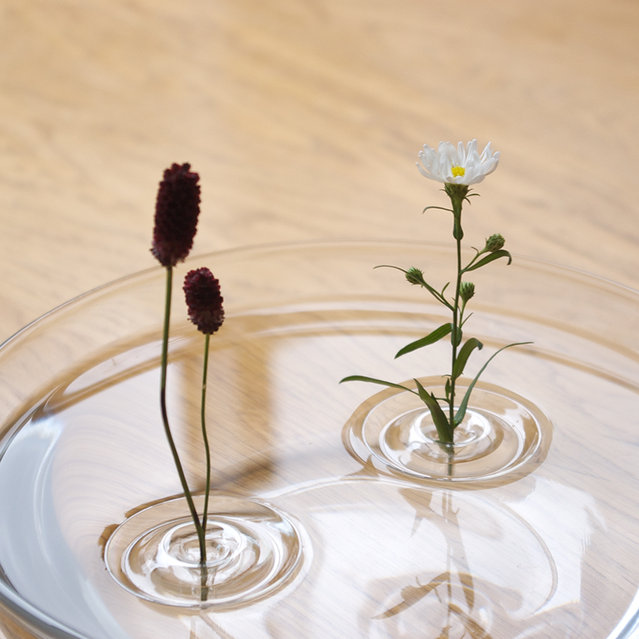
This vase is simple as a piece of cake but it’s so special at the same time – it’s Floating Ripple vase by ooDesign. It’s a piece manufactured in glass that allows any transparent vase to look like ripples in water.
Long-stemmed flowers float vertically in the water and according to the movement of the air, they change their position within the container – so, what can I say? Japanese designers continue to create genially simple and natural-looking philosophic pieces that inspire everybody.
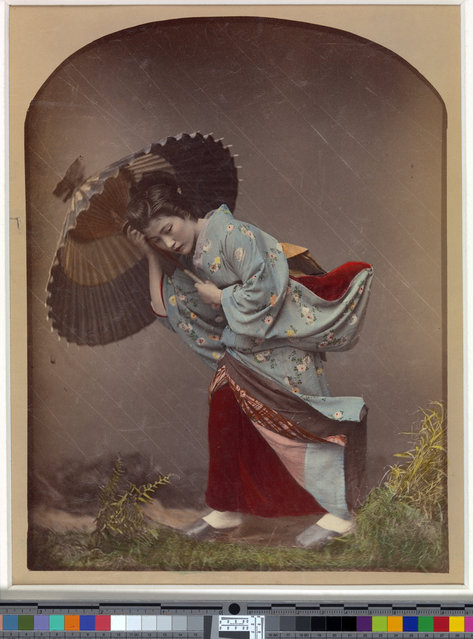
“Woman with Umbrella in Rain” by Raimund von Stillfried. Artist: Kusakabe Kimbei (Japanese, 1841–1934), 1870s. Commercial photography studios in Meiji-era Japan were renowned for the subtlety and refinement of their coloring techniques. This hand-tinted image of a young woman caught in a heavy rainstorm achieved its naturalistic effect by knitting together multiple strands of artifice: the greenery in the foreground was a studio prop; the flaps of the kimono were suspended by thin wires to create the impression of a strong wind; and long, diagonal marks were made on the negative to suggest streaks of rain. (Photo courtesy of The Metropolitan Museum of Art)