Loading...
Done
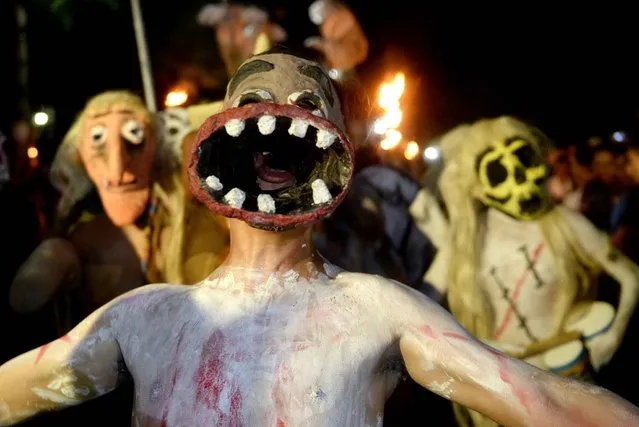
Young revelers take part in a parade called "La Calabiuza" on November 1, 2015, on the eve of the Day of the Dead in Tonacatepeque, 20 kms (13 miles) north of San Salvador. During the celebration, the residents of Tonacatepeque, originally an indigenous community, recall the characters from the mythology of Cuscatlan – pre-Columbian west and central regions of El Salvador – and their dead relatives. (Photo by Marvin Recinos/AFP Photo)

Young revelers take part in a parade called "La Calabiuza" on November 1, 2015, on the eve of the Day of the Dead in Tonacatepeque, 20 kms (13 miles) north of San Salvador. During the celebration, the residents of Tonacatepeque, originally an indigenous community, recall the characters from the mythology of Cuscatlan – pre-Columbian west and central regions of El Salvador – and their dead relatives. (Photo by Marvin Recinos/AFP Photo)
Details
04 Nov 2015 11:50:00
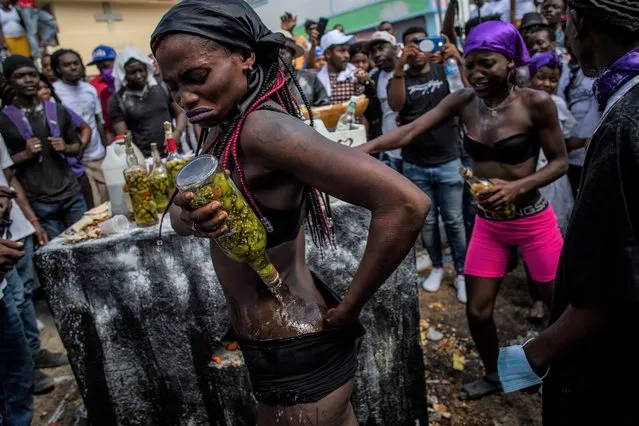
Voodoo followers, called Pitit Fey, attend a ceremony during the Day of the Dead celebrations at the Meyotte cemetery in Kay Gouye, in Port-au-Prince, Haiti, November 1, 2021. (Photo by Claudia Daut/Reuters)

Voodoo followers, called Pitit Fey, attend a ceremony during the Day of the Dead celebrations at the Meyotte cemetery in Kay Gouye, in Port-au-Prince, Haiti, November 1, 2021. (Photo by Claudia Daut/Reuters)
Details
08 Nov 2021 08:18:00
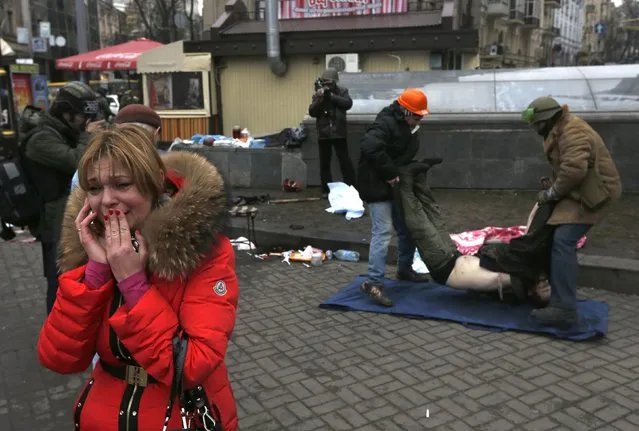
A woman reacts as anti-government protesters place a dead body on a stretcher after violence erupted in the Independence Square in Kiev, in this February 20, 2014 file photo. (Photo by Vasily Fedosenko/Reuters)

A woman reacts as anti-government protesters place a dead body on a stretcher after violence erupted in the Independence Square in Kiev, in this February 20, 2014 file photo. (Photo by Vasily Fedosenko/Reuters)
Details
14 Dec 2014 12:08:00
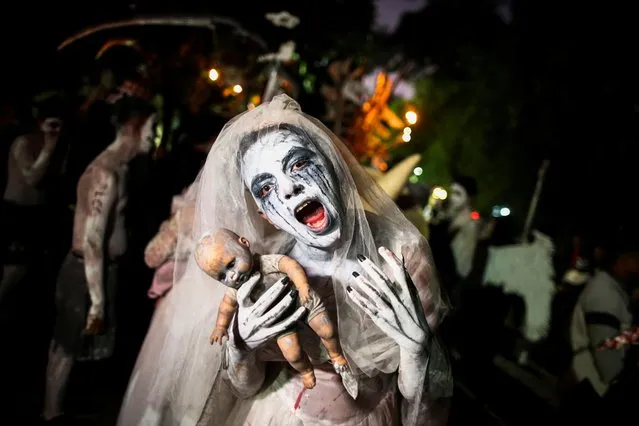
A reveller dressed as “La Llorona” participates in a parade known as “La Calabiuza” on the eve of the Day of the Dead in Tonacatepeque, El Salvador on November 1, 2022. (Photo by Jose Cabezas/Reuters)

A reveller dressed as “La Llorona” participates in a parade known as “La Calabiuza” on the eve of the Day of the Dead in Tonacatepeque, El Salvador on November 1, 2022. (Photo by Jose Cabezas/Reuters)
Details
28 Dec 2023 21:12:00
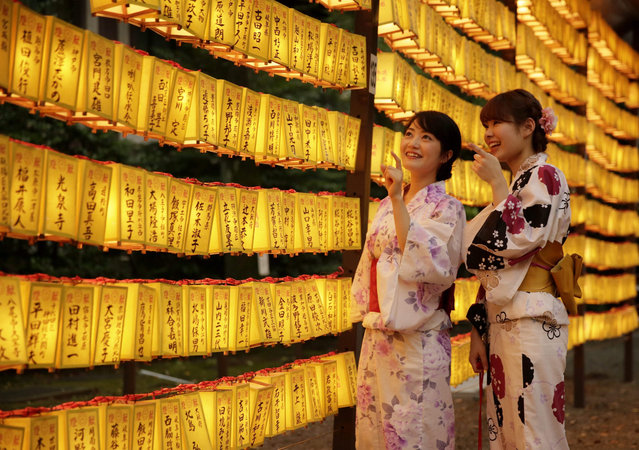
Two office workers wearing summer kimonos Yukata look at paper lanterns as they visit on the eve of Mitama Matsuri, a summer festival at Yasukuni Shrine in Tokyo, Japan, 13 July 2015. About 300,000 people visit the shrine decorated with about 30,000 lanterns during the three-day summer festival aiming at comforting souls of dead, especially for the war dead. The festival is after Japan's Buddhist custom to honor and comfort souls of family's ancestors. (Photo by Kimimasa Mayama/EPA)

Two office workers wearing summer kimonos Yukata look at paper lanterns as they visit on the eve of Mitama Matsuri, a summer festival at Yasukuni Shrine in Tokyo, Japan, 13 July 2015. About 300,000 people visit the shrine decorated with about 30,000 lanterns during the three-day summer festival aiming at comforting souls of dead, especially for the war dead. The festival is after Japan's Buddhist custom to honor and comfort souls of family's ancestors. (Photo by Kimimasa Mayama/EPA)
Details
14 Jul 2015 13:59:00
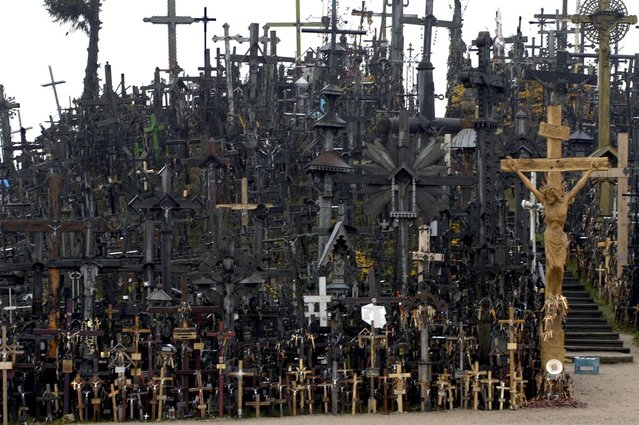
In 1831 an unsuccessful uprising against the Russian czar left many rebels dead. Relatives of the dead rebels, with no bodies to bury, instead left crosses, according to the Daily Mail. (Photo by Richard Gardner/Rex USA)

The phenomenon of the Hill of Crosses in northern Lithuania began when people started leaving crosses there hundreds of years ago – and continues to this day. These photos of a hill covered in crosses show the amazing sight it has become. Photo: In 1831 an unsuccessful uprising against the Russian czar left many rebels dead. Relatives of the dead rebels, with no bodies to bury, instead left crosses, according to the Daily Mail. (Photo by Richard Gardner/Rex USA)
Details
06 Jun 2013 09:56:00
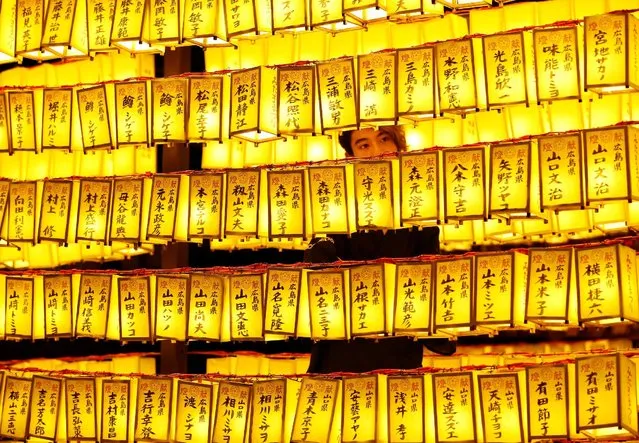
A man stands between thousands of paper lanterns, which were displayed and lit up the precincts of the shrine, where more than 2.4 million war-dead are enshrined, during the Mitama Festival at Yasukuni Shrine in Tokyo, Japan July 13, 2016. “Mitama” is a respectful word that means “the soul of a dead person” in Japanese, and this “Soul Festival” honors just that. The Yasukuni Shrine is dedicated to the honoring of the souls of those who gave their lives to defend Japan, and this festival is an early step towards the Japanese holiday season of Obon, during which Japanese people honor their deceased ancestors. (Photo by Issei Kato/Reuters)

A man stands between thousands of paper lanterns, which were displayed and lit up the precincts of the shrine, where more than 2.4 million war-dead are enshrined, during the Mitama Festival at Yasukuni Shrine in Tokyo, Japan July 13, 2016. “Mitama” is a respectful word that means “the soul of a dead person” in Japanese, and this “Soul Festival” honors just that. (Photo by Issei Kato/Reuters)
Details
14 Jul 2016 09:37:00


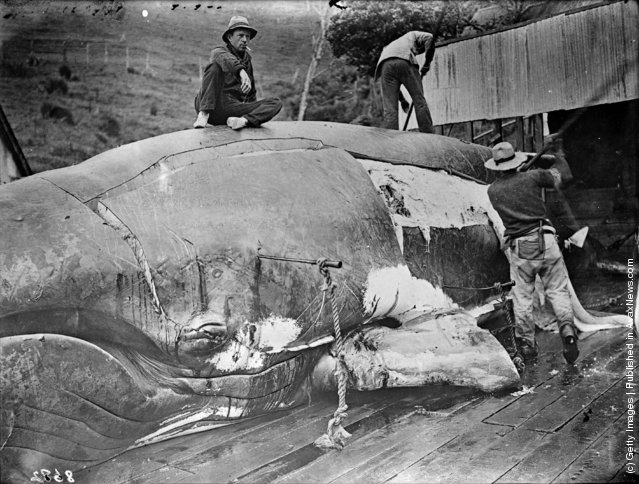
Men slicing blubber off a large, dead whale. (Photo by Topical Press Agency/Getty Images). Circa 1912
Details
08 Jun 2011 09:12:00