Loading...
Done
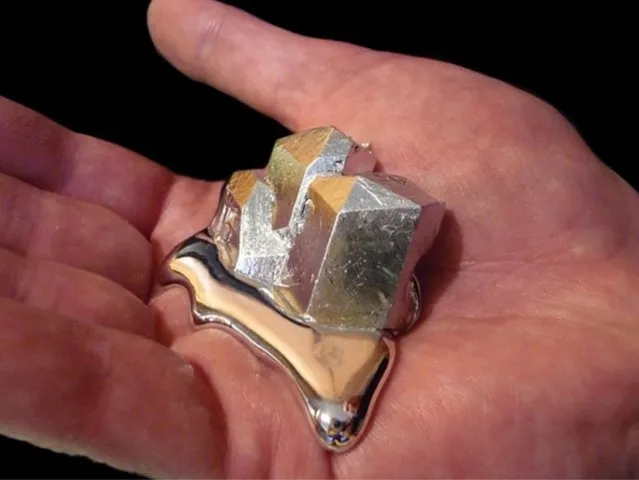
Rare Metal Gallium

Gallium is a chemical element with symbol Ga and atomic number 31. Elemental gallium does not occur in nature, but as the gallium(III) compounds in trace amounts in bauxite and zinc ores. A soft silvery metallic poor metal, elemental gallium is a brittle solid at low temperatures.
Details
25 Feb 2013 15:15:00
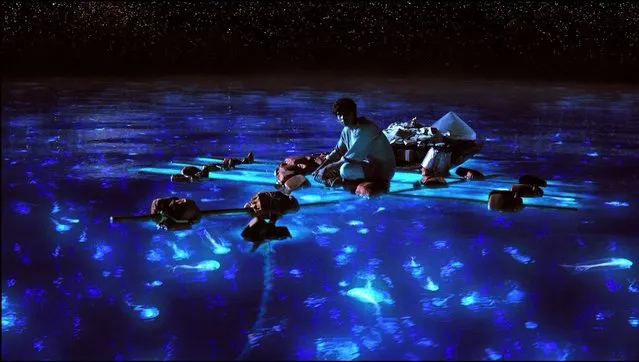
Glowing Bioluminescent Plankton

If you’ve had the unique privilege of witnessing bioluminescent plankton while diving at night, you know firsthand how beautiful the underwater light show can be. For those of us who haven’t experienced it, this unique phenomenon. So what makes this beautiful show possible? In a recent post at online scuba site AquaViews they share some insight we thought you all would find interesting.
Details
04 Jun 2013 10:55:00


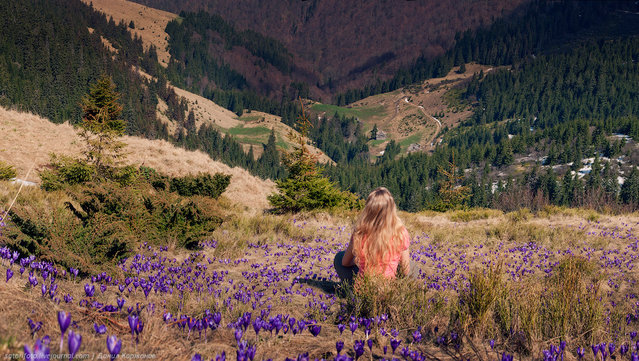
Photos by Daniel Korjonov
Details
30 May 2012 03:43:00
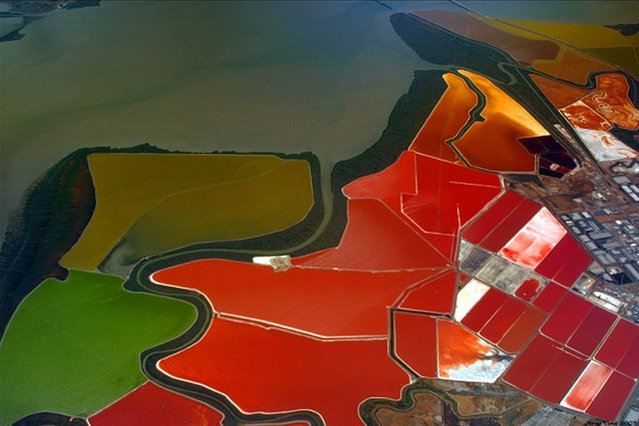
Salt ponds in San Francisco Bay

Salt evaporation ponds, also called salterns or salt pans, are shallow artificial ponds designed to produce salts from sea water or other brines. The seawater or brine is fed into large ponds and water is drawn out through natural evaporation which allows the salt to be subsequently harvested. The ponds also provide a productive resting and feeding ground for many species of waterbirds, which may include endangered species. The ponds are commonly separated by levees.
Details
11 Oct 2012 12:49:00
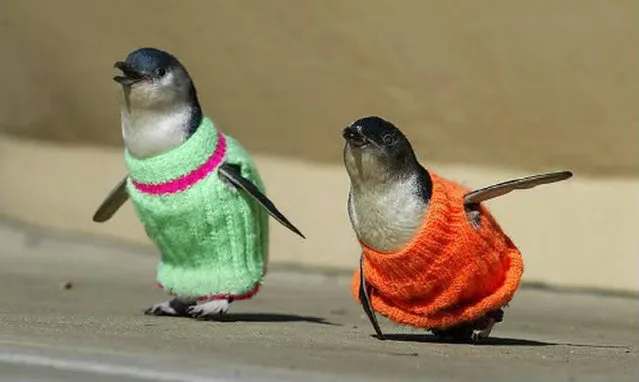
New Zealand Penguins in Need of Sweaters

Penguin sweaters, also known as penguin jumpers, are sweaters which are knitted for penguins that have been caught in oil slicks. When an oil spill affects penguins, they are dressed in knitted sweaters to stop them preening their feathers and to keep them warm, since the spilled oil destroys their natural oils. This also prevents them from poisoning themselves by ingesting the oil. The sweaters are removed and discarded as soon as the penguins can be washed. The original project has been completed, but the knitting pattern is still available on-line, as subsequent oil spills make it necessary. The extra sweaters are kept on behalf of the Wildlife Rescue Team.
Details
31 Oct 2012 13:06:00
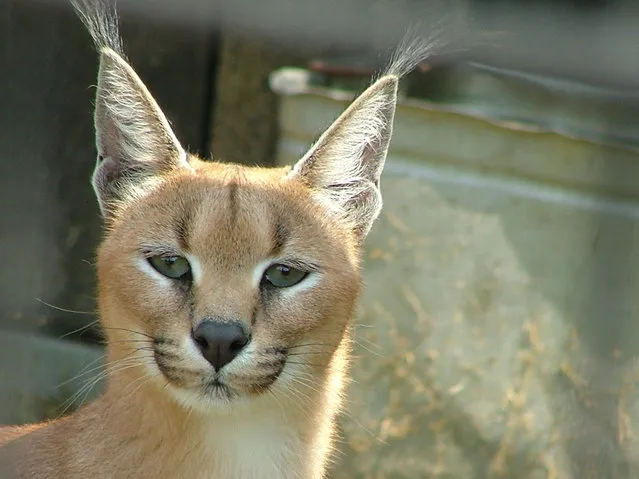
Сaracal - Desert Lynx

The caracal also known as the desert lynx, is a wild cat that is widely distributed across Africa, central Asia and southwest Asia into India. In 2002 the IUCN listed the caracal as Least Concern as it is widespread and relatively common. The felid is considered threatened in north Africa, and rare in the central Asian republics and India.
Details
20 Aug 2013 11:28:00
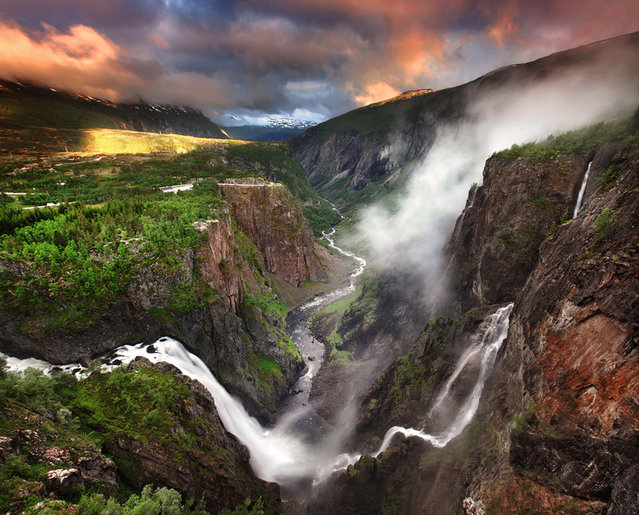
Voringfossen Waterfall In Norway

Vøringfossen is the 83rd highest waterfall in Norway on the basis of total fall. It lies at the top of Måbødalen in the municipality of Eidfjord, in Hordaland, not far from Highway 7, which connects Oslo with Bergen. It has a total drop of 182 meters, and a major drop of 163 meters. It is perhaps the most famous in the country and a major tourist attraction on the way down from Hardangervidda to Hardangerfjord. The name Vøringfossen (Old Norse Vyrðingr) is derived from the verb vyrða (English: esteem, revere). The last element fossen, the finite form of foss (waterfall), is a later addition.
Details
02 Dec 2013 10:58:00
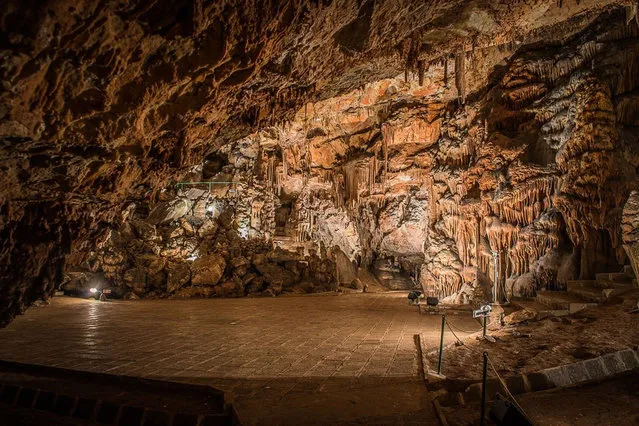
Saeva Dupka Cave

Saeva dupka (Bulgarian: Съева дупка) is a cave in Northern Bulgaria near the village of Brestnitsa, Lovech Province (43°2′N 24°11′E). Its five halls and 400 metres of corridors offer some of the most beautiful cave formations in the country. Besides that the cave has hosted many Choral music performances, thanks to the excellent acoustic conditions. Saeva dupka was named after two brothers Seyu and Sae who used it as a hiding place during the Ottoman occupation of Bulgaria. Recent excavations have showed the cave was inhabited since Roman times. Currently Saeva dupka is one of the 100 Tourist Sites of Bulgaria.
Details
20 Feb 2013 11:30:00