Loading...
Done
Tilt Shift Photography

“Tilt-shift photography” refers to the use of camera movements on small- and medium-format cameras, and sometimes specifically refers to the use of tilt for selective focus, often for simulating a miniature scene. Sometimes the term is used when the shallow depth of field is simulated with digital post processing; the name may derive from the tilt-shift lens normally required when the effect is produced optically.
Details
28 May 2013 11:03:00
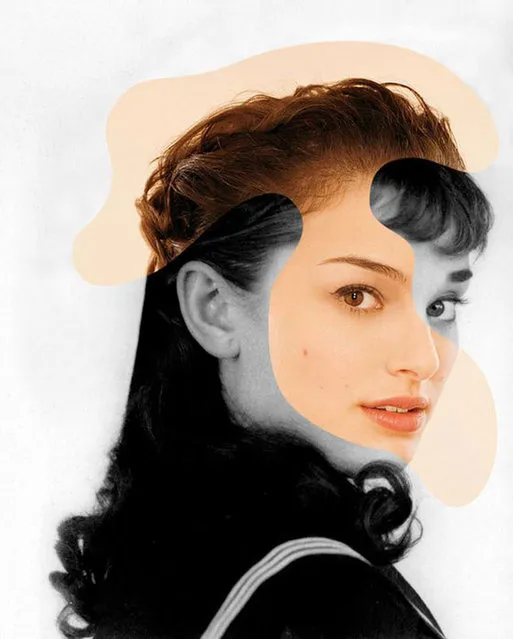
Iconatomy by George Chamoun

George Chamoun creates a visual mashup of two different Hollywood eras. The name Iconatomy is coined from the words "icon" (starts, celebrities, etc) and "anatomy". It took Chamoun a lot of time and energy trying to find two perfect photographs to digitally pair together. The results are in no way morphed, but collaged together to create an iconic symbol of looks, fortune and fame.
Details
19 Sep 2012 06:48:00


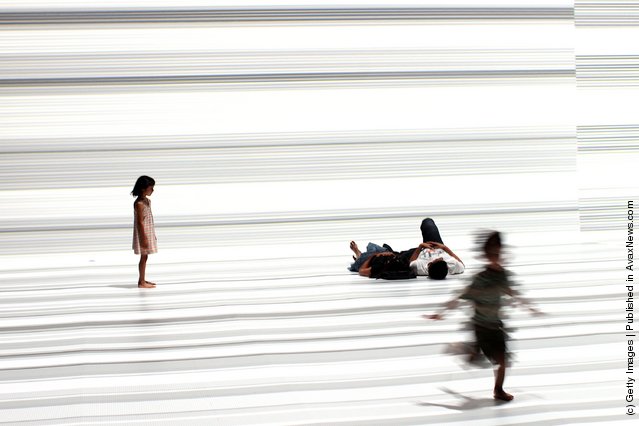
Children play at the Ryoji Ikeda exhibition “the transfinite” at the Park Avenue Armory on June 10, 2011 in New York City. The audio visual installation, which will close after tomorrow, features two back-two-back screens displaying a continual loop of sounds, fragments of numbers and strobe-lit patterns that echo the Japanese artist's interest in mathematics, the subconscious and the digital world. (Photo by Spencer Platt/Getty Images)
Details
11 Jun 2011 12:16:00
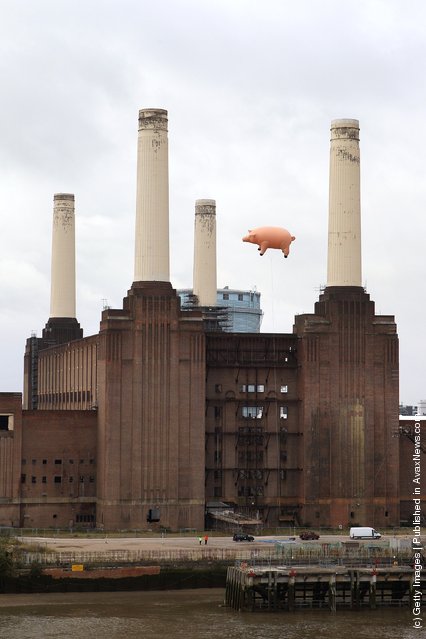
An inflatable pig flies above Battersea Power Station in a recreation of Pink Floyd's “Animals” album cover

An inflatable pig flies above Battersea Power Station in a recreation of Pink Floyd's “Animals” album cover on September 26, 2011 in London, England. The classic Pink Floyd album artwork was recreated to mark the release of several digitally remastered versions of their albums. (Photo by Oli Scarff/Getty Images)
Details
27 Sep 2011 14:43:00
Retouching Parody by Metra Bruno and Laurence Jeanson

French photographers Metra Bruno and Laurence Jeanson have created a series of portraits of people who look like they have had cosmetic surgery. But in fact they applied sticky pieces of magazine photos on the faces of their models
Details
03 Apr 2013 10:08:00
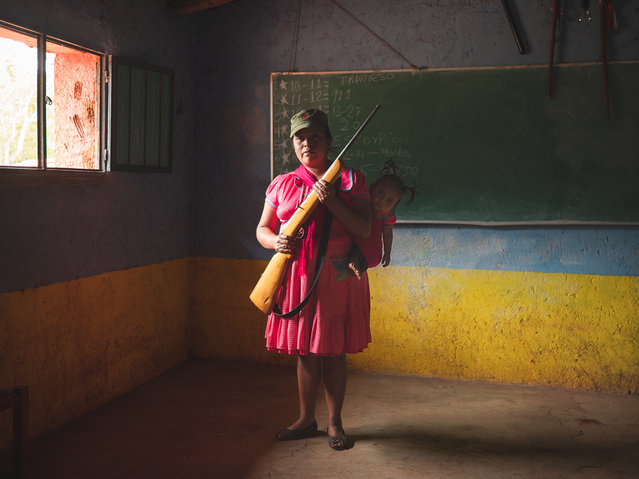
Forgotten Guerrero. A female member of the community defence force holds her weapon. Since early 2019, the village has been attacked repeatedly by Los Ardillos cartel, prompting residents to take action. Rincón de Chautla, Guerrero, 10 June 2019. (Photo by Alfredo Bosco/Luz with the support of Le Figaro Magazine, Winner of the 2020 Humanitarian Visa d’or award, International Committee of the Red Cross/International Festival of Photojournalism 2020)

Forgotten Guerrero. A female member of the community defence force holds her weapon. Since early 2019, the village has been attacked repeatedly by Los Ardillos cartel, prompting residents to take action. Rincón de Chautla, Guerrero, 10 June 2019. (Photo by Alfredo Bosco/Luz with the support of Le Figaro Magazine, Winner of the 2020 Humanitarian Visa d’or award, International Committee of the Red Cross/International Festival of Photojournalism 2020)
Details
02 Sep 2020 00:05:00
Sweet-toothed jet setters don't even need their passports for this worldwide tour, as they can travel around the world in 40 cakes. Some of the world's most famous landmarks and cultures have been created by some of the best bakers, as featured in this month's edition of Cake Masters magazine. Pictured here is “Japan”. (Photo by Mimi Cafe Union/Mercury Press/Caters News)

Sweet-toothed jet setters don't even need their passports for this worldwide tour, as they can travel around the world in 40 cakes. Some of the world's most famous landmarks and cultures have been created by some of the best bakers, as featured in this month's edition of Cake Masters magazine. Pictured here is “Japan”. (Photo by Mimi Cafe Union/Mercury Press/Caters News)
Details
17 Sep 2014 12:52:00
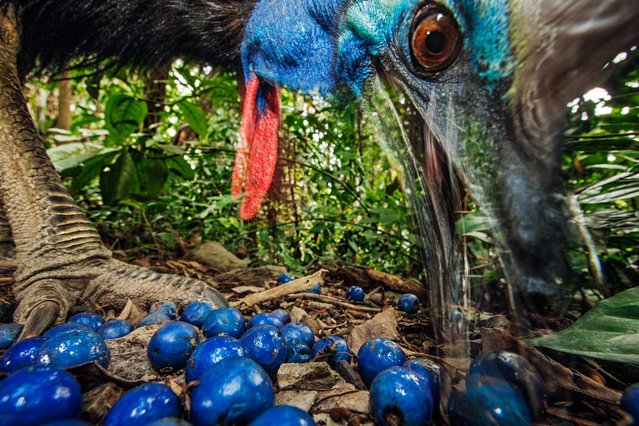
“Cassowaries are large, flightless birds related to emus and (more distantly) to ostriches, rheas, and kiwis”, writes Olivia Judson in the September issue of National Geographic magazine. (Photo by Christian Ziegler/National Geographic)

“Cassowaries are large, flightless birds related to emus and (more distantly) to ostriches, rheas, and kiwis”, writes Olivia Judson in the September issue of National Geographic magazine. How large? People-size: Adult males stand well over five foot five and top 110 pounds. Females are even taller, and can weigh more than 160 pounds. Dangerous when roused, they’re shy and peaceable when left alone. But even birds this big and tough are prey to habitat loss. The dense New Guinea and Australia rain forests where they live have dwindled. Today cassowaries might number 1,500 to 2,000. And because they help shape those same forests – by moving seeds from one place to another – “if they vanish”, Judson writes, “the structure of the forest would gradually change” too. (Photo by Christian Ziegler/National Geographic)
Details
06 Jan 2014 12:21:00